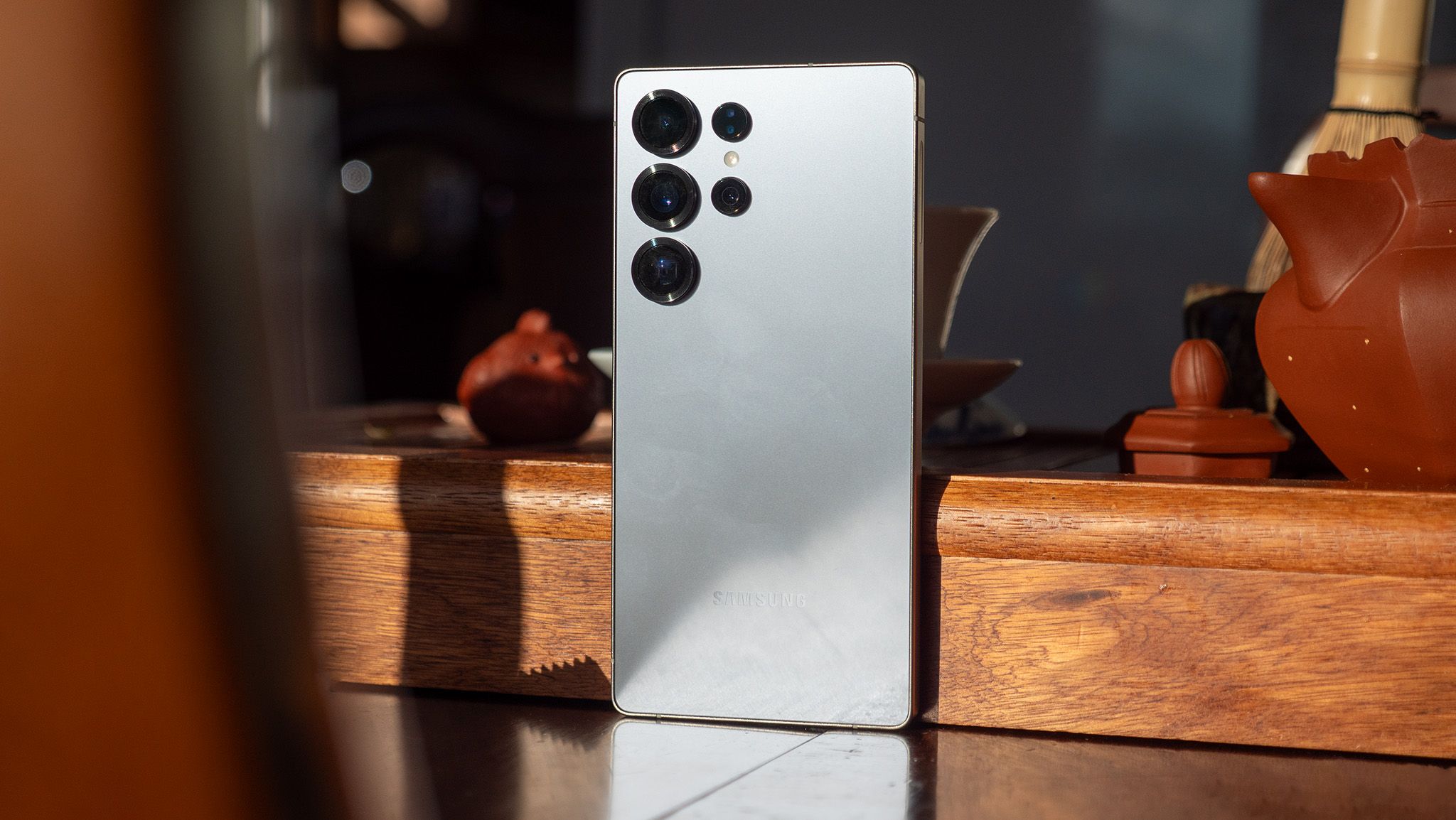
Samsung's One UI 8.5 beta for the Galaxy S25 series includes new Galaxy AI capabilities, but multiple features—most notably an AI notification summary powered by Samsung's in‑house Gauss model—appear to be gated for an initial Galaxy S26 launch. The notification summary will support a range of languages at launch and Samsung is expected to roll these features out to older flagships (Galaxy S25, Z Fold 7, Z Flip 7) later; the Galaxy S26 Ultra is also tipped to include a refined design and faster wired and wireless charging. These product decisions signal a strategic push to differentiate the upcoming S26 lineup on AI functionality versus rivals such as Pixel and iPhone, with limited immediate market-moving financial implications.
Market structure: Samsung’s gating of One UI 8.5 Galaxy AI features — notably a Gauss-powered notification summary — strengthens Samsung Electronics’ (005930.KS / SSNLF) product differentiation vs. other Android OEMs and narrows feature parity with Apple (AAPL) and Google (GOOGL). Short-term winners are Samsung device sales, mobile SoC and RF suppliers (Qualcomm QCOM; Samsung Foundry suppliers), while white‑label OEMs and third‑party app devs that rely on Google APIs could be disadvantaged if Samsung pushes on‑device models. Expect modest upward pressure on handset ASPs (estimate +$20–$75 per unit if AI features are perceived as premium) over the next 1–3 quarters.
Risk assessment: Tail risks include EU/US privacy or AI-regulation enforcement (fines or forced feature rollbacks) and operational issues with Gauss model causing reputational hits; assign a 5–10% probability over 12 months with >10% downside to Samsung handset demand if realized. Hidden dependencies: carrier subsidy cycles, Exynos vs. Snapdragon choices, and localized language model performance will materially affect replacement rates. Key catalysts: S26 preorder data and first‑party reviews in the 0–8 weeks post launch; regulatory guidance from EU/US in the next 3–6 months.
Trade implications: Direct plays — overweight SSNLF (005930.KS) into launch with a 1–3 month horizon to capture preorder momentum; overweight QCOM (QCOM) for persistent SoC demand, hedge with small AAPL trim if Samsung steals share. Options — prefer call spreads on SSNLF around launch (6–12 week) to cap premium; consider buying protective puts on AAPL (4–8 week) if sell‑side starts lowering iPhone upgrade assumptions.
Contrarian angles: Consensus underestimates the revenue leverage from software-gated features: if Samsung converts 5% of non-upgraders into upgraders, annual handset revenue could rise >$2–3bn. Conversely, the market may be overrating immediate share loss to Apple/Google — brand loyalty and iOS ecosystem stickiness limit near-term share shifts. Watch post-launch execution and multilingual ML quality; poor rollout would reverse hype quickly and create a >10% downside re‑rating in regional markets.
AI-powered research, real-time alerts, and portfolio analytics for institutional investors.
Request DemoOverall Sentiment
neutral
Sentiment Score
0.15
Ticker Sentiment
