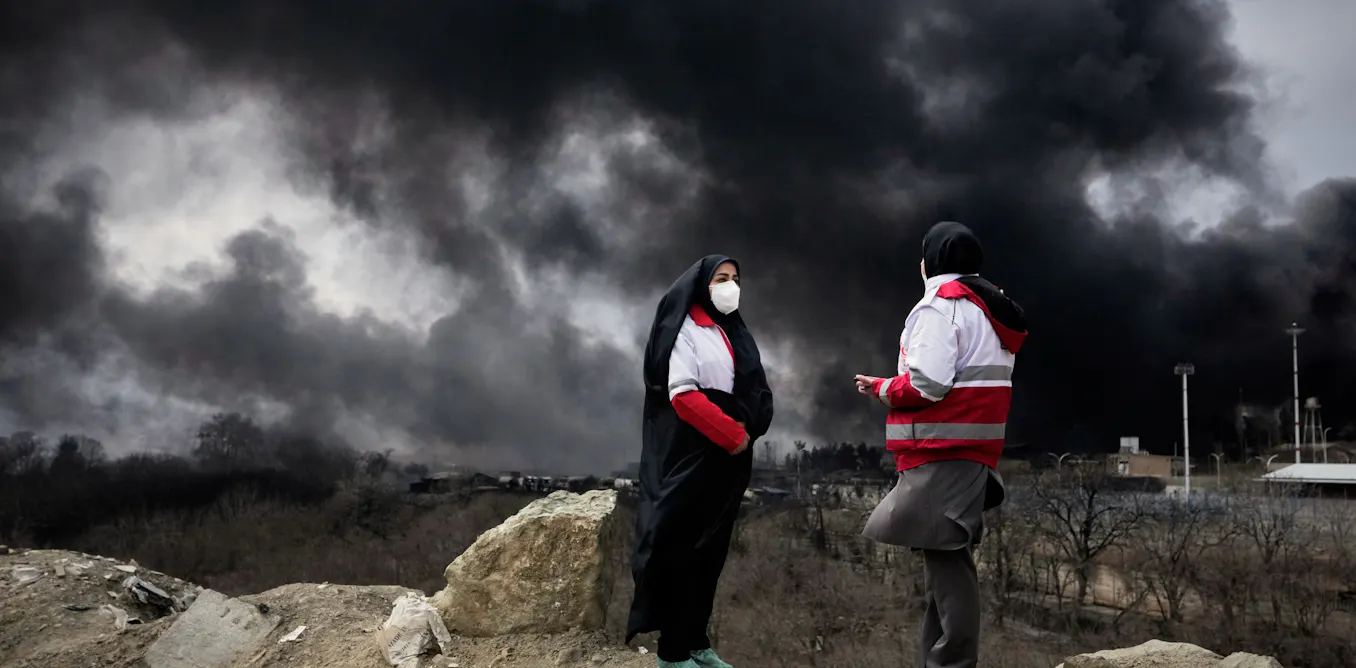
Key event: US-Israeli airstrikes on oil depots have produced black/acid rain across parts of Iran, indicating deposition of hydrocarbons, PM2.5, PAHs, sulfur/nitrogen oxides, heavy metals and other combustion byproducts. Immediate effects include headaches, respiratory distress among vulnerable populations and contamination of buildings, waterways and drinking sources; longer-term risks include increased cancer, cardiovascular and neurological disease. This creates localized public-health and environmental cleanup liabilities and a modest risk to regional energy infrastructure and supply sentiment, though the article provides no quantitative estimates of production loss or economic damage.
Localized environmental contamination events driven by kinetic damage create multi-year liabilities that are rarely priced into regional assets; remediation and long-tail health costs commonly run from low‑hundreds of millions to multiple billions per major industrial site, translating to multi‑point hit to local GDP and tax receipts within 6–36 months. Insurance and reinsurance markets respond with delayed but steep repricing — expect regional property & casualty combined ratios to widen by 200–400bps within the first renewal cycle (6–12 months) before capacity adjusts.
Energy-market secondaries: tactical supply hiccups boost price volatility for weeks, but the bigger impact is a reallocation of refining and storage logistics — expect spot contango to steepen intermittently and freight differentials to widen as cargoes are rerouted, creating arbitrage opportunities for traders with storage/flexibility. Credit spreads for locally exposed midstream and storage operators will widen faster than equity prices reflect; bondholders price in recovery timelines of 12–36 months.
ESG and capital-flight dynamics amplify costs: lenders and insurers will demand higher covenants and rates for assets with contamination risk, raising the effective cost of capital by +200–500bps for projects in impacted corridors over the next 12–24 months. This accelerates demand for remediation contractors, specialist insurers/brokers, and large-cap defense/engineering firms that supply decontamination and infrastructure hardening.
Key catalysts to monitor: rapid diplomatic de‑escalation or emergency stock releases can normalize energy volatility in days–weeks and materially reduce geopolitical premia; conversely, broadening of operations or discovery of persistent groundwater contamination would extend headline and regulatory risk into multi‑year litigation and sovereign-credit channels. Repricing in insurance premiums and issuance of remediation contracts (trackable via broker filings and RFP calendars) will be the earliest durable signal to take larger positions.
AI-powered research, real-time alerts, and portfolio analytics for institutional investors.
Request DemoOverall Sentiment
strongly negative
Sentiment Score
-0.70
