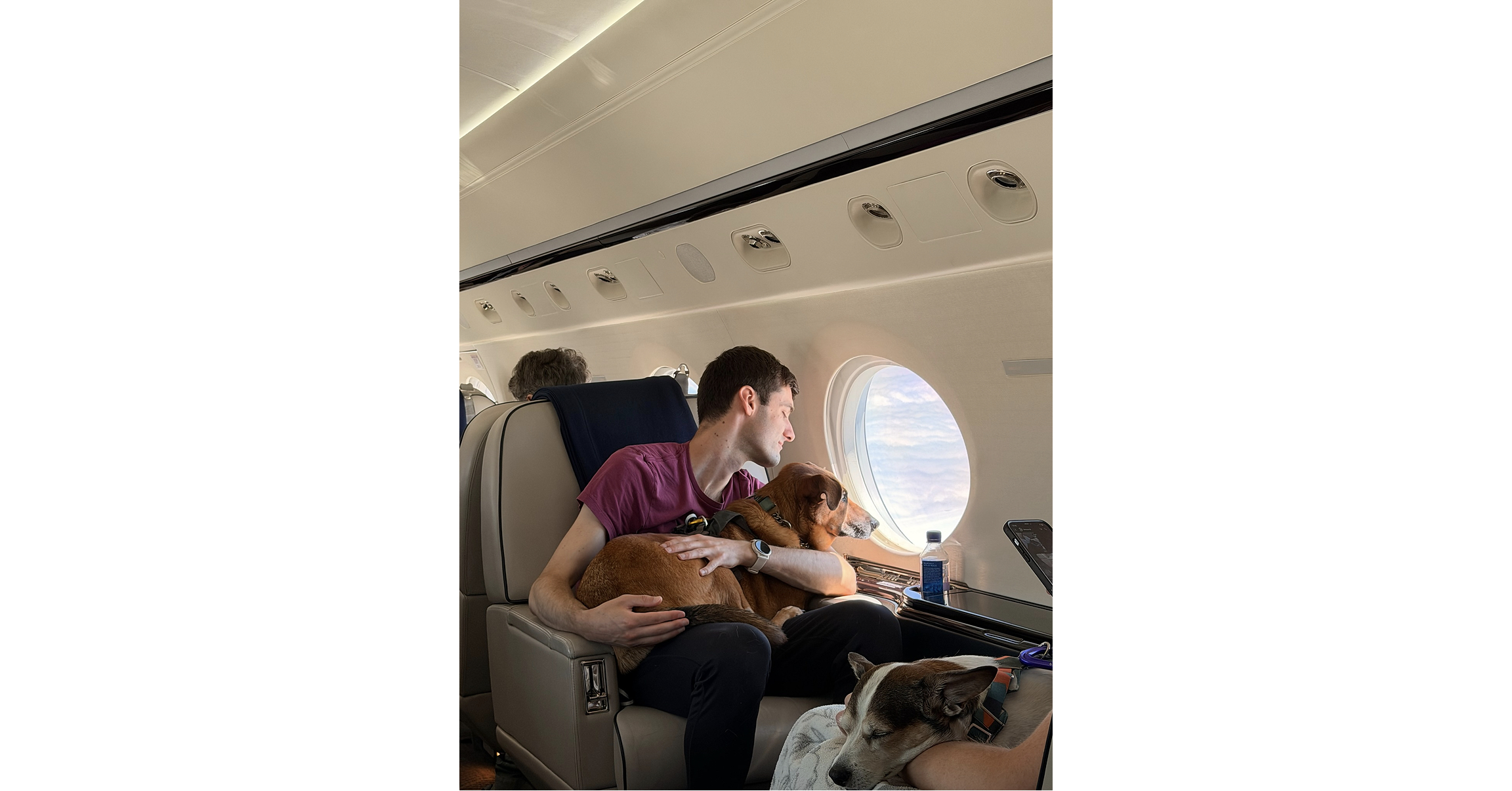
Vicuna Air launched “Vicuna Waypoints,” a new pet-first, door-to-gateway service linking European cities and its transatlantic routes (including New York–Brussels) with pet-friendly transport and hotel stays managed by a concierge team. The offering comes in two formats—an “Express Route” designed for streamlined speed and a “Scenic Route” with multi-day itineraries using options like rail, private drivers, ferries, and selected hotels. Initial rollout focuses on Northern Europe (e.g., serving Hamburg, Copenhagen, Stockholm, and Oslo via Brussels-connected routes from Paris, Amsterdam, and Frankfurt), which is likely incremental and not expected to materially move markets.
This is less a demand inflection than a distribution strategy: the company is trying to monetize willingness-to-pay by wrapping third-party transport, hotels, and routing into its own premium brand. If it works, the economic lever is not seat count but higher itinerary attach rates, better route utilization, and pricing power on the core flight leg. The first-order beneficiaries are likely niche operators in pet-friendly ground transport, boutique hotels, and premium rail/ferry services; the larger public-market read-through is to luxury travel infrastructure rather than airlines.
The main second-order effect is competitive substitution inside high-end travel. By making non-direct cities economically reachable, Vicuna can steal share from private jet brokers, premium rail, and even some business-class airline itineraries for pet owners who value convenience over speed. But the launch also raises execution risk: concierge-heavy products tend to be margin-dilutive until scale is real, and the operational complexity is concentrated in irregular events, not repeatable seat inventory. In the near term, this is more likely to improve brand affinity than EBITDA.
The contrarian view is that the market may overestimate TAM. Pet travel is a high-intent niche, but it remains a small subset of premium travel demand, so the structural impact over 6-18 months is likely modest unless booking conversion and repeat usage prove unusually strong. What would falsify the positive read-through is evidence that the service increases service costs faster than yield, or that uptake is too thin to move load factors. Conversely, if management later shows materially higher ancillary revenue per passenger and better European city coverage without additional aircraft, the model deserves a re-rate.
AI-powered research, real-time alerts, and portfolio analytics for institutional investors.
Request DemoOverall Sentiment
mildly positive
Sentiment Score
0.18
