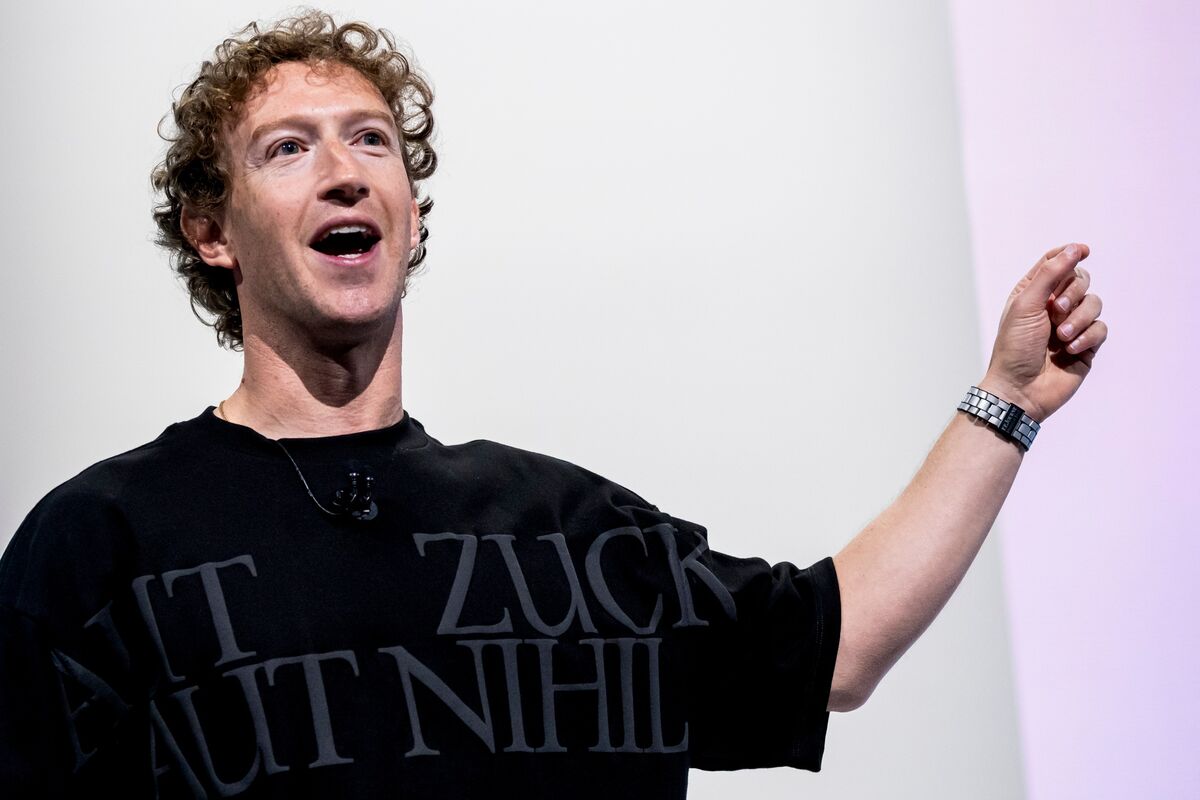
Mark Zuckerberg said Meta is exploring an AI cloud/compute-rental business, noting offers for AI compute are so high that renting capacity to outsiders could be preferable to purely internal use. The company is also focused on securing enough computing power to build and run AI products in a resource-constrained market. While no financial guidance was given, the strategic shift suggests potential new monetization for Meta’s AI infrastructure.
The investable signal is not “Meta is becoming a cloud company”; it is that AI compute has become so scarce that spare capacity can be treated like a monetizable commodity. If Meta can truly redirect marginal GPUs to third parties at premium rates, that modestly improves the capital-efficiency case for its AI spend and creates an option value that is not in consensus models today. The real beneficiaries are upstream infrastructure vendors — especially NVDA and power/cooling/interconnect names — because any credible proof that rental economics exceed internal use supports a longer scarcity cycle and firmer pricing.
The counterpoint is execution. External cloud is a different business: multi-tenant security, billing, support, uptime SLAs, and enterprise sales are not native Meta strengths. That means the near-term financial impact is likely small, while the market may over-interpret a strategic comment as a new revenue stream; if anything, it can also be read as evidence that internal AI demand is still outrunning supply, which would delay productization rather than accelerate it. For competitors like AMZN, MSFT, GOOGL, and ORCL, the second-order risk is not immediate share loss but a possible tightening of AI infrastructure pricing if more owners try to arbitrage compute into the open market.
Over the next 1-3 months, the key catalyst is disclosure: any mention of utilization rates, third-party backlog, or capex normalization will matter far more than the headline itself. Over 6-18 months, the thesis is binary: either Meta turns idle capacity into a high-ROIC side business, or this remains a strategic thought experiment that distracts from core model deployment. The thesis is falsified if Meta keeps capex elevated without any incremental revenue disclosure, or if management later frames external rental as immaterial relative to internal AI demand.
AI-powered research, real-time alerts, and portfolio analytics for institutional investors.
Request DemoOverall Sentiment
mildly positive
Sentiment Score
0.15
Ticker Sentiment
