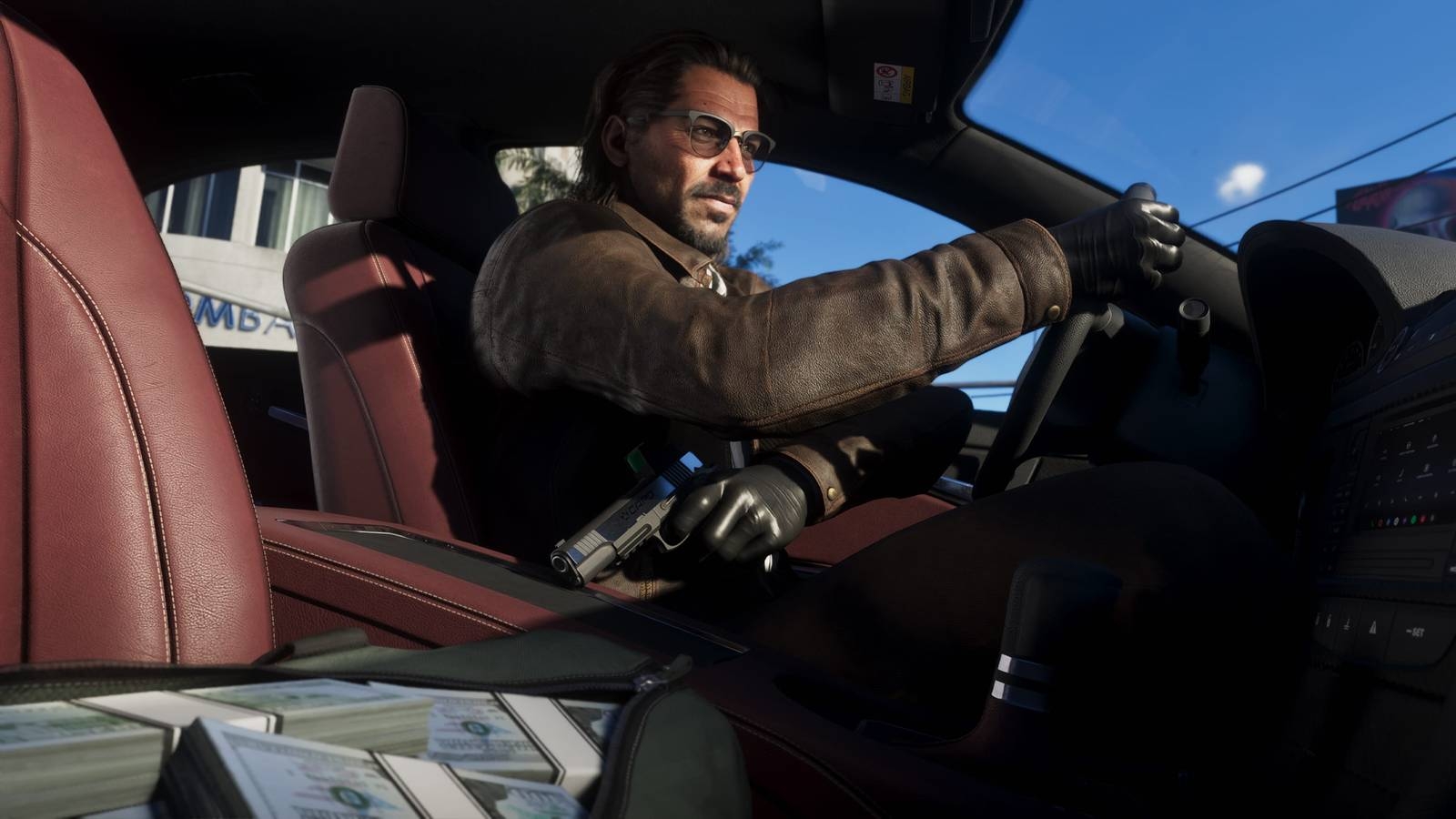
Take-Two CEO Strauss Zelnick said investors have questioned whether Grand Theft Auto 6 even needs marketing, underscoring the franchise's massive built-in demand. The article centers on the expected launch of GTA 6's marketing campaign this summer, but provides no concrete timing or content details. The update is largely commentary from an interview ahead of a Take-Two investor call and is unlikely to materially move the stock on its own.
The market is treating the launch pipeline as a binary event, but the more important signal is the sequencing risk around monetization expectations. For a franchise of this scale, the first marketing beats matter less for end-demand than for how quickly management can convert latent excitement into forecastable booking revisions; that usually supports the stock in the 1-3 month window, but also raises the bar for any subsequent release cadence. The asymmetry is that the near-term catalyst can be real even if the underlying consumer outcome is unchanged, because sentiment-driven multiple expansion tends to precede full sell-through visibility by a quarter or more.
Second-order, the biggest beneficiaries are not obvious competitors but the ecosystem names tied to engagement capture: platform holders, ad-tech/creator tooling, and peripheral hardware. If the campaign is strong, attention can temporarily starve smaller AAA launches and shift user-hours toward a single title, which is usually negative for mid-tier publishers with crowded release calendars. Conversely, if the rollout is underwhelming, the setup becomes a positioning unwind: investors who crowded into the name for the launch premium may de-risk quickly, creating relative upside for peers with cleaner near-term catalysts.
The contrarian miss is that a blockbuster product does not eliminate marketing risk; it concentrates it. A muted campaign would not just disappoint on optics, it could also imply management is preserving optionality because the launch window is not fully locked, which would push expectations out by 1-2 quarters and compress the multiple. The tail risk is therefore less about consumer demand and more about cadence slippage, because even a high-quality franchise can see 10-15% drawdowns if the market has priced in a summer engagement ramp that fails to materialize.
For trading, the cleanest expression is a short-dated call spread into the first meaningful reveal, funded by trimming if implied vol spikes too far above realized event risk. If the company has historically traded on launch-cycle sentiment, a pair long the publisher against a basket of higher-beta entertainment names can isolate the event premium while reducing market beta. The key is to treat this as a catalyst trade, not a long-duration thesis, because the setup decays quickly once the marketing surprise is consumed.
AI-powered research, real-time alerts, and portfolio analytics for institutional investors.
Request DemoOverall Sentiment
neutral
Sentiment Score
0.05
