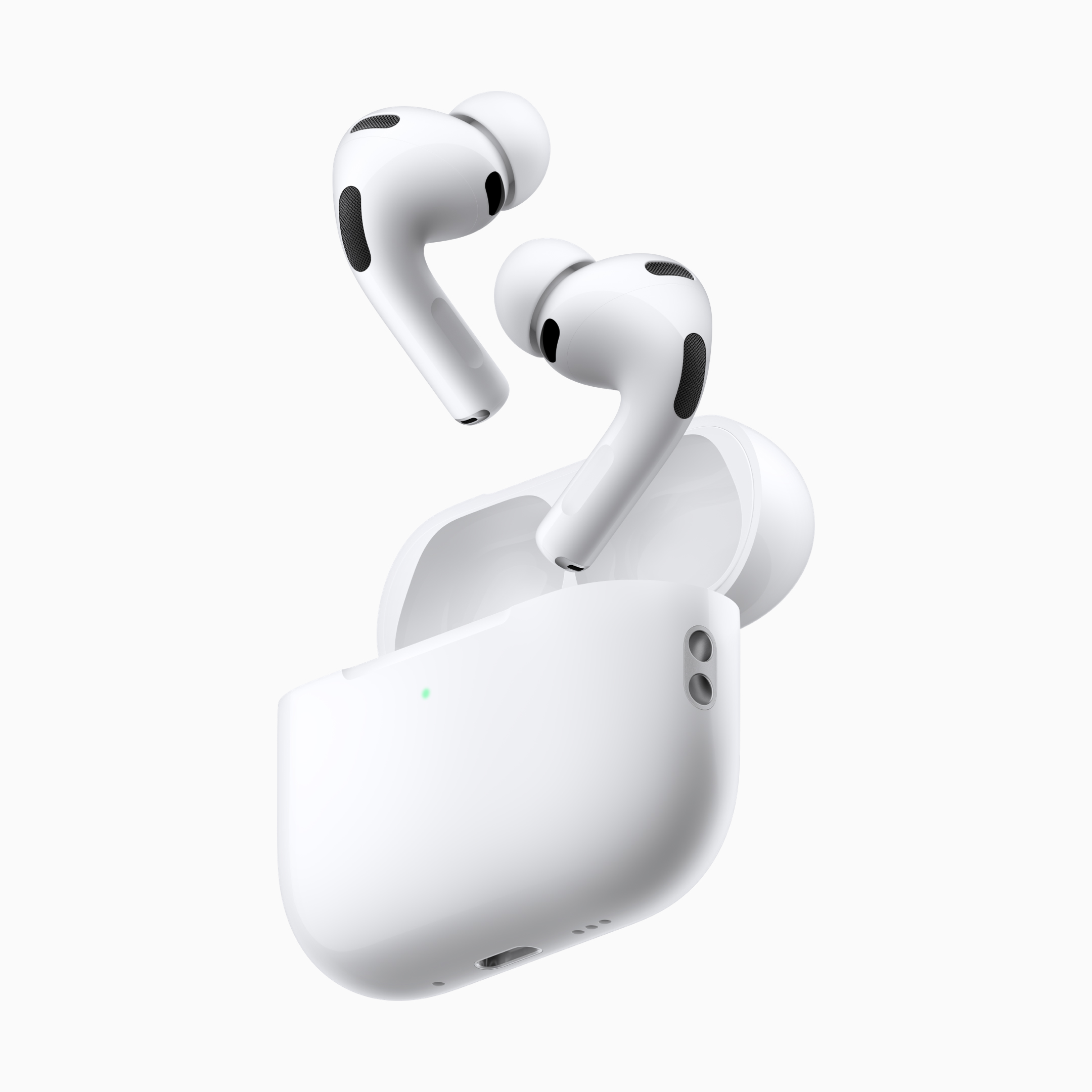
Apple released a new AirPods Pro 3 firmware version, 8B40, replacing 8B39. The article does not specify any new features and suggests the update may only include bug fixes and improvements. This is a routine device software update with minimal expected market impact.
This is not a revenue event; it is a quality-of-experience event that can still matter because Apple’s ecosystem monetization is increasingly driven by retention, attach rate, and usage intensity rather than one-time hardware upgrades. A routine firmware refresh on AirPods Pro 3 signals ongoing control of the installed base, which supports the broader services flywheel by keeping users locked into Apple-native audio, call, and health workflows. The second-order read-through is that Apple is prioritizing post-sale product tuning, which usually improves perceived value without incremental bill-of-materials pressure.
The competitive implication is subtle: if Apple can steadily improve earbuds through software, it raises the bar for rivals whose differentiation relies on feature parity at launch. That puts pressure on premium audio OEMs and their channel partners because the innovation cycle shortens from hardware refreshes to firmware cadence, reducing the window for competitive copycatting. The supply-chain impact is limited near term, but it reinforces demand resilience for accessories and may modestly improve replacement/upgrade behavior over the next 6-12 months if user satisfaction ticks higher.
The main risk is that this is interpreted as noise and ignored by the market; in that case there is no fundamental re-rating catalyst for AAPL. However, if user feedback surfaces even a small improvement in audio quality, battery management, or connection stability, it could quietly lift accessory NPS and reduce churn at the margin. The contrarian view is that “bug fixes” are actually valuable here: at Apple’s scale, small reliability gains can compound into measurable ecosystem stickiness, even if they never show up as a headline product feature.
AI-powered research, real-time alerts, and portfolio analytics for institutional investors.
Request DemoOverall Sentiment
neutral
Sentiment Score
0.05
Ticker Sentiment
