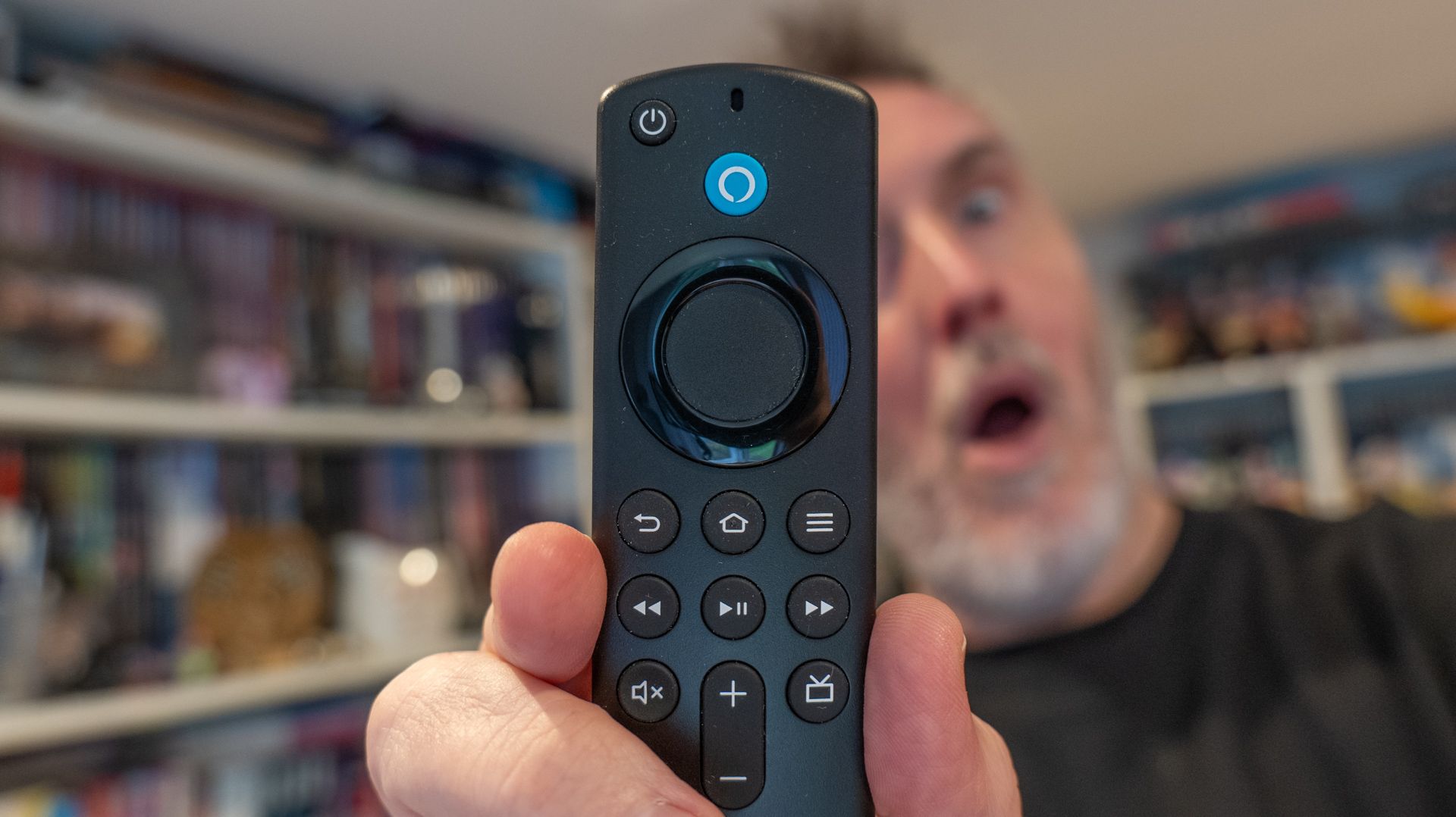
Amazon confirmed all future Fire TV Sticks will run on its proprietary Vega OS, ending Android support, app sideloading, and direct installation of approved apps. The cloud-based shift should help Amazon curb piracy and lower device costs, but it reduces user flexibility and customization. The news is important for Fire TV device strategy but is unlikely to materially move the broader market.
This is less a one-off product tweak than a margin-protection and distribution-control move. By pushing the OS stack into the cloud, Amazon lowers device complexity and support burden while tightening its chokehold on the living-room interface — the real strategic asset is not the stick hardware, but default control over media discovery, monetization, and ad inventory. The immediate loser is the gray-market ecosystem that relied on Fire TV’s openness; the second-order loser is any niche streaming/utility app that depended on sideloading as a low-cost distribution channel.
For AMZN, the near-term P&L impact is probably modest, but the strategic optionality is better than the headline suggests. A cloud-managed frontend can accelerate feature rollout, reduce fragmentation, and improve ad load optimization across the installed base over 12-24 months; that matters more than unit sales on the stick itself. The risk is consumer backlash among power users, but those users are economically less relevant than the mass-market audience Amazon is targeting; churn only becomes material if the UX degrades enough to shift default device choice at retail over multiple quarters.
NFLX is not a direct economic loser here, but it does lose a small degree of platform leverage because Amazon is removing one of the easiest paths for third-party exposure outside the official app flow. The bigger implication is for smaller services and emerging FAST/AVOD players that used Fire TV as a cheap acquisition funnel; if distribution becomes more gated across living-room OSs, customer acquisition costs rise and the market concentrates further around the biggest brands. The contrarian read: this may be a net positive for legitimate streaming monetization because it reduces piracy leakage, and that could slightly improve reported engagement and conversion metrics for premium services over time.
AI-powered research, real-time alerts, and portfolio analytics for institutional investors.
Request DemoOverall Sentiment
mildly negative
Sentiment Score
-0.15
Ticker Sentiment
