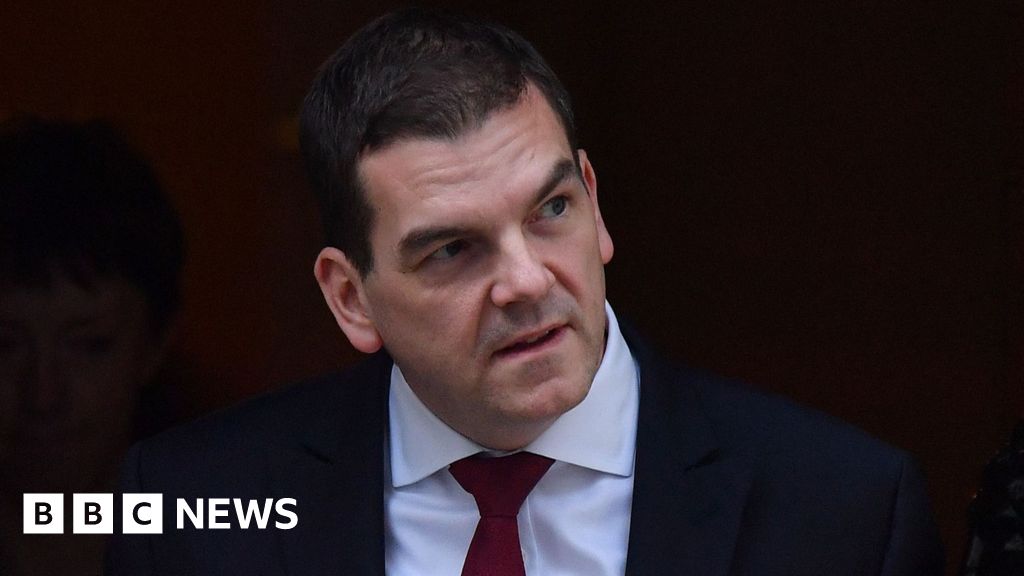
Sir Olly Robbins is leaving his post as the Foreign Office's top official after the department overruled vetting advice on Lord Mandelson's appointment as U.S. ambassador. The episode has triggered accusations that Prime Minister Keir Starmer misled Parliament about the vetting process and prompted calls for him to resign or face an investigation. The story is primarily a U.K. political and governance issue, with limited direct market impact.
This is less a single-person scandal than a governance shock that raises the probability of process failures elsewhere in the UK policy stack. The market-relevant read-through is not direct asset exposure, but a higher near-term premium on UK political risk: more headline volatility around the PM, a weaker policy transmission mechanism, and a larger chance that ministers become defensive on contentious dossiers rather than execution-focused. That tends to widen the discount investors apply to UK domestically sensitive assets, especially where policy consistency and regulatory credibility matter.
The second-order effect is on institutional trust. If Parliament believes key disclosure was incomplete, the government may respond by overcorrecting with slower appointments, more aggressive document production, and tighter sign-off layers. That can delay decisions in areas like defense procurement, infrastructure approvals, financial-services rulemaking, and cross-border diplomacy — all of which matter for UK cyclicals and midcaps with government exposure over the next 1-3 quarters. The broader implication is that governance risk becomes a discount rate issue, not just a newsflow issue.
The contrarian angle is that this may be more damaging to rhetoric than to markets unless it morphs into a formal ministerial-code process or leadership challenge. If the story stays contained to personnel and procedure, the selloff in UK-sensitive assets should fade quickly; if it expands into document suppression or misleading-Parliament allegations, then the tail risk becomes a snapback in sterling and UK domestic beta. The cleanest trade is to position for a short, tactical volatility spike rather than a structural UK bear case unless there is evidence of wider Cabinet contamination.
AI-powered research, real-time alerts, and portfolio analytics for institutional investors.
Request DemoOverall Sentiment
moderately negative
Sentiment Score
-0.45
