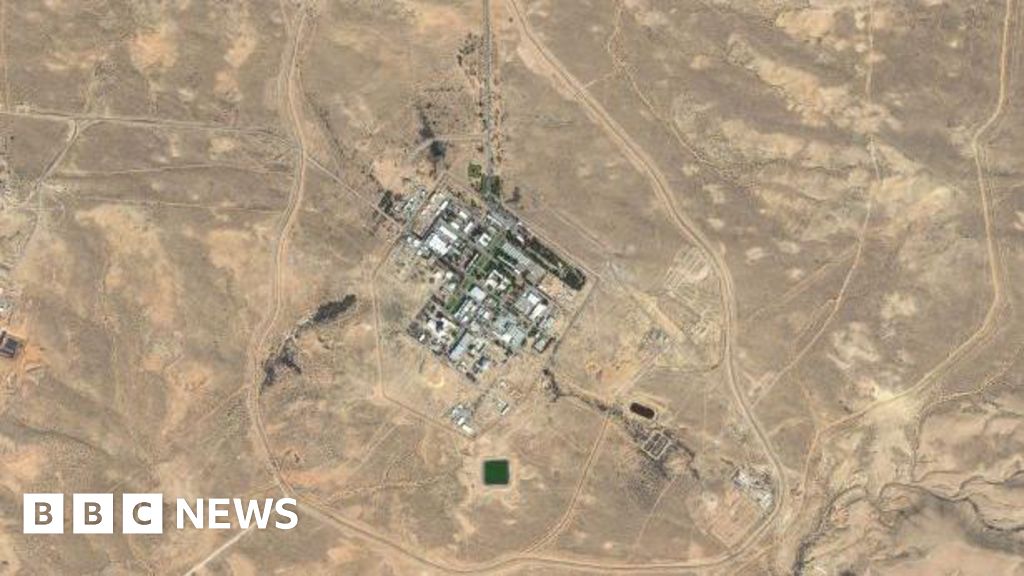
An Iranian missile strike hit Dimona near Israel's Negev nuclear research centre; Israeli services treated 40 people in Dimona (37 mild injuries; one 10-year-old in serious condition) and 68 in nearby Arad (47 mild; 10 serious). The IAEA reported no damage or increase in off-site radiation and Iran's AEOI said Natanz saw no radioactive leakage, while Iran framed the strike as retaliation for a reported attack on Natanz. Israeli authorities say interceptors failed and two ballistic missiles made direct hits with warheads described as weighing 'hundreds of kilograms', elevating regional escalation risk and posing downside risk to energy markets and upside pressure on defense-related assets.
The immediate market implication is a materially higher probability that air-defence credibility will be re-priced across the region; that gap raises the chance of successful follow-on strikes against high-value infrastructure and forces insurers and counterparties to apply a nuclear-adjacent risk premium to regional exposures. Expect a concentrated risk-off window in the next 48-96 hours that transitions into a pricing-in of higher operational costs (security, rerouting, premiums) over 1-3 months if interceptions are not demonstrably improved.
Commodity and FX channels are the likely transmission mechanisms to global markets: oil and LNG can gap higher on a credible widening of hostilities even without immediate physical disruption, with a 3-10% swing in Brent within 1-4 weeks plausible under sustained escalation; similarly, EM FX/carry trades should see 200-400bp of spread widening versus USD as capital flees to safety. Credit markets will follow volatility: short-term tightening in core sovereigns and widening in regional corporate credit, particularly tourism, logistics and tech supply-chain names with concentrated Middle East operations.
Structurally, a persistent period of strikes or asymmetric escalation increases the probability of multi-year defense and cybersecurity budget tailwinds, accelerated onshoring of critical semiconductor and defense supply lines, and tougher export controls/sanctions regimes that re-shape supplier networks. Reversal scenarios are binary and fast: a credible third-party de-escalation or decisive improvement in missile-intercept performance could compress risk premia within days; continued tit-for-tat strikes would entrench them for quarters and justify re-rating of defense/cyber upstream beneficiaries.
AI-powered research, real-time alerts, and portfolio analytics for institutional investors.
Request DemoOverall Sentiment
strongly negative
Sentiment Score
-0.75
