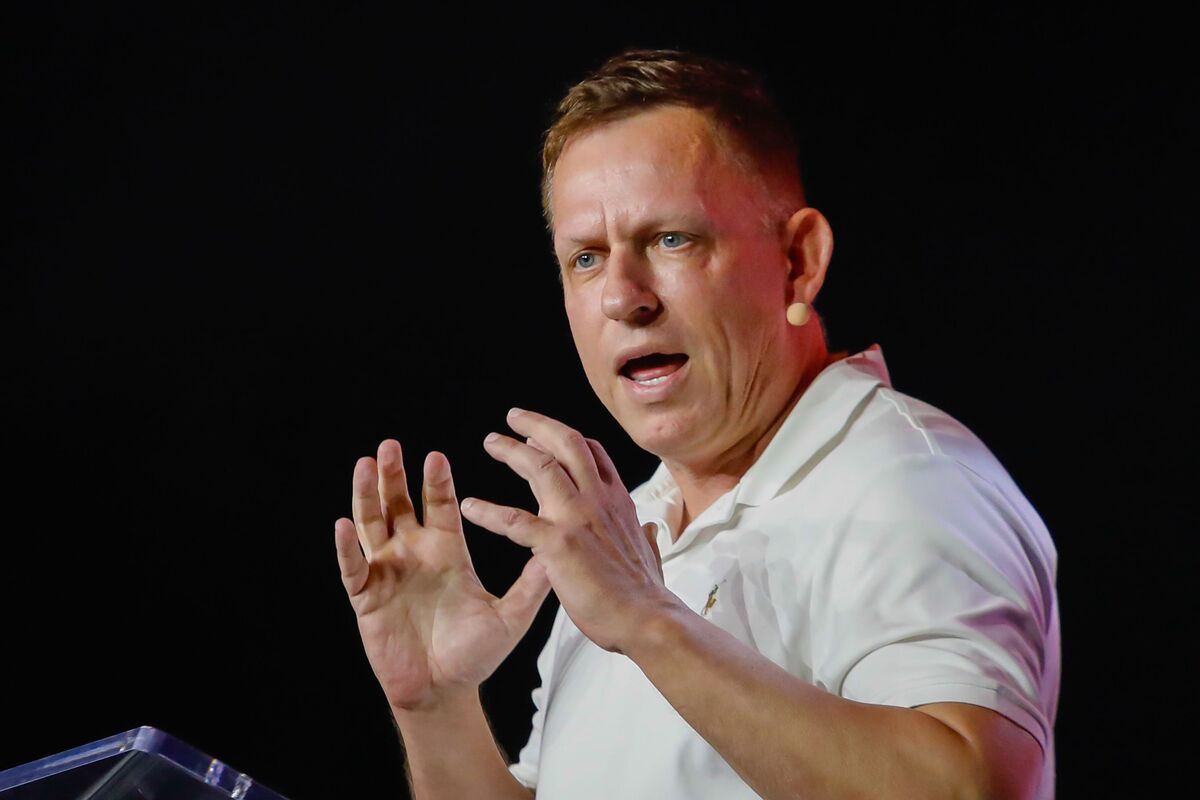
Peter Thiel donated $1.5 million to the conservative PAC Club for Growth Action in February, according to an FEC filing. The article notes Thiel — Palantir co‑founder who sat out the 2024 cycle — is re‑engaging in federal politics; the headline also references billionaire Richard Uihlein as a donor but provides no specific Uihlein amount.
Donor-driven primary activity is a lever that changes more than headlines — it reshapes committee chairs, appropriations riders, and procurement priorities on a 6–18 month cadence. For companies selling to federal agencies, that can translate into reweighted R&D budgets, accelerated award timing for niche analytics/AI tools, and a measurable skew in winning rate: small shifts in oversight composition historically move procurement win-rates by 5–10 percentage points for incumbents with deep gov relationships. This is a structural channel to watch because it compounds — favorable appropriations make follow-on task orders easier to win, lifting multi-year revenue visibility more than a one-off contract would.
There is also an asymmetric reputational/regulatory tail risk: higher-profile donor ties invite both political pushback and NGO-driven contract protests that increase bid-to-award timelines and legal costs. That friction shows up in two ways — near-term softness from delayed awards (quarters) and longer-term clampdowns (12–36 months) if privacy or oversight statutes are tightened by a hostile committee. Finally, the net effect on valuation depends on which political regime consolidates control: a deregulatory, procurement-friendly Congress materially increases optionality for government-focused analytics names, while the inverse compresses multiples and raises customer-concentration risk.
Tradeable implication: position size should be a function of political conviction, not headline volume. Look to accumulate exposure into windows where appropriations language or committee chair nominations become probable (watch whip counts and key primary results). Hedge tail risk with modest put protection or tight call-spreads so the trade captures the asymmetric upside of faster procurement rollouts while capping losses from reputational/regulatory shocks.
AI-powered research, real-time alerts, and portfolio analytics for institutional investors.
Request DemoOverall Sentiment
neutral
Sentiment Score
0.00
Ticker Sentiment
