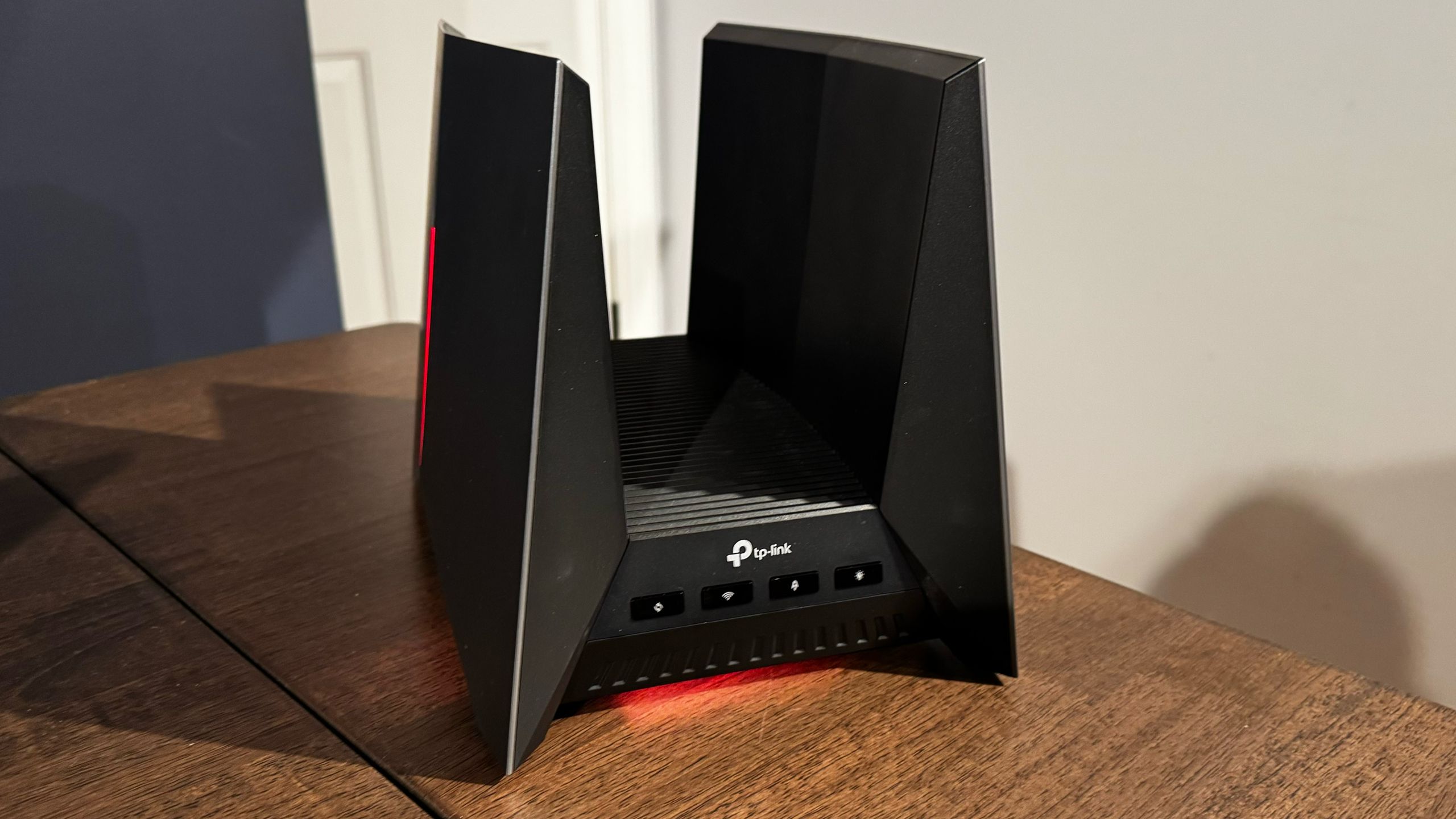
TP-Link has announced successful initial trials of its Wi-Fi 8 (802.11bn) hardware, marking a critical development milestone for the next-generation wireless standard. This new iteration, while maintaining Wi-Fi 7's peak data rates, focuses on significantly improving reliability and real-world performance, targeting up to a 25% increase in effective data rates through innovations like Coordinated Spatial Reuse and Dynamic Sub-Channel Operation. This advancement is poised to enhance connectivity in dense environments and will likely lead to a premium for early Wi-Fi 8 devices, influencing the pricing of existing Wi-Fi 7 hardware.
TP-Link has announced successful initial trials of its Wi-Fi 8 (802.11bn) hardware, marking a critical development milestone for the next-generation wireless standard. This advancement, achieved through a "joint industry partnership" potentially involving Qualcomm given their prior Wi-Fi 7 collaborations, signals progress in future connectivity infrastructure. The primary focus of Wi-Fi 8 is not theoretical speed increases but rather a significant improvement in real-world reliability and performance, targeting up to a 25% increase in effective data rates for compliant devices.
Wi-Fi 8 will leverage existing bands (2.4, 5, 6 GHz) and maintain Wi-Fi 7's 4096 QAM and 320 MHz channel bandwidth, with a maximum data rate of 46 Gbps. Key innovations like Dynamic Sub-Channel Operation (DSO) are designed to boost throughput by up to 80%, enhancing performance in dense urban environments and low-signal conditions. This technological evolution suggests a continued demand for advanced chipsets and networking solutions.
The introduction of Wi-Fi 8 is expected to follow the pattern of previous generations, with an initial price premium for new hardware. This will likely drive further price reductions for current Wi-Fi 7 devices, which have already seen significant drops from initial launch prices (e.g., Eero 7 Max single node from $599 to current lower prices). Chip manufacturers like Qualcomm, Broadcom, Intel, and Marvell are positioned to benefit from the development and eventual rollout of this new standard, particularly those with established partnerships.
AI-powered research, real-time alerts, and portfolio analytics for institutional investors.
Request DemoOverall Sentiment
Positive
Sentiment Score
0.60
Ticker Sentiment
