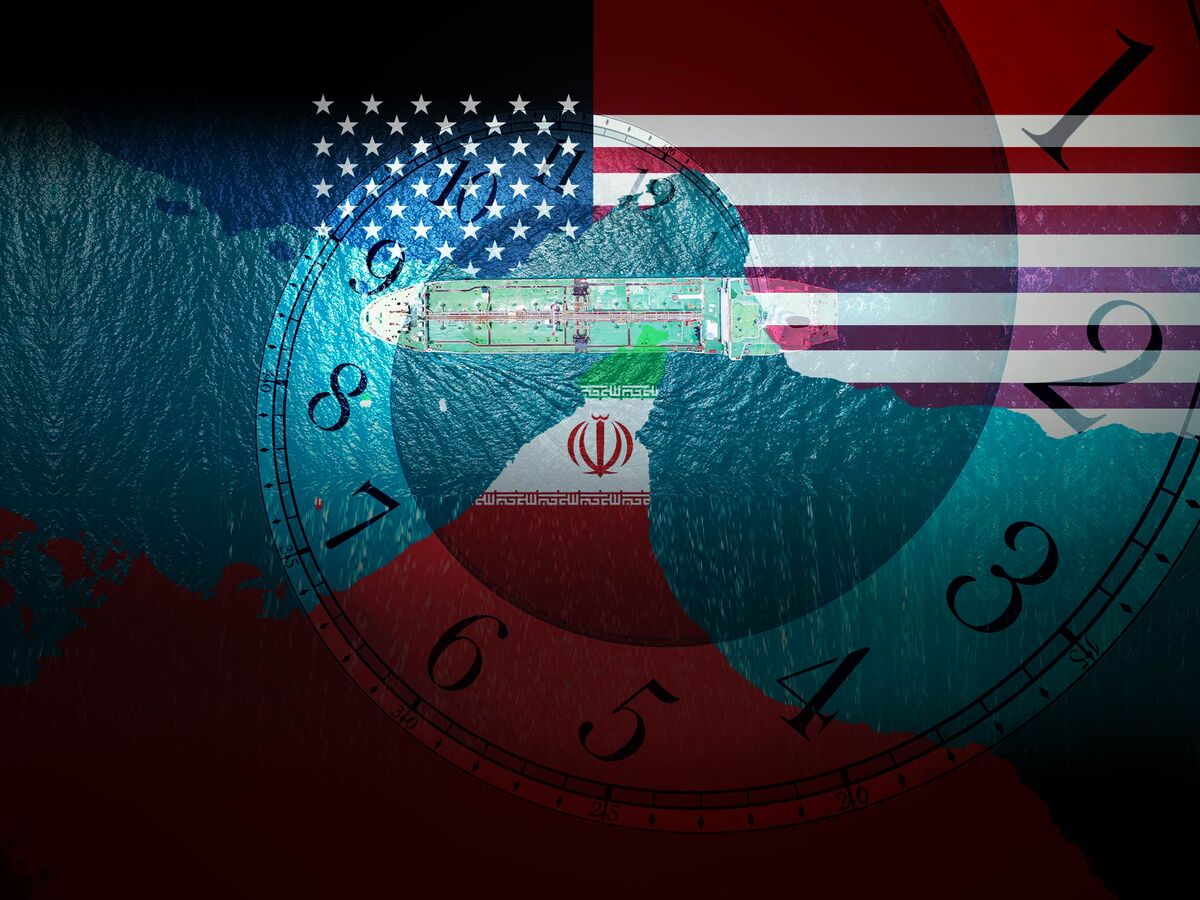
A Strait of Hormuz reopening deal remains elusive as Iran rejects direct talks with the US, while talks with Oman drag on. Tehran renewed a “hefty” list of demands tied to conditions for allowing shipping, prompting the US to likely wait for Iran’s economic pain to soften its stance. With strategic shipping risk persisting and the Pentagon urging defense firms to accelerate weapons systems production, the overall newsflow tilts risk-off for shipping and regional risk premiums.
This is still a headline-risk market, but the first-order move is less important than the optionality being repriced across freight, energy, and defense. The real mechanism is not just crude higher; it is a creeping tax on global trade financing and marine insurance that hits import-dependent EM Asia, airlines, and chemical margins before it shows up in CPI. If the standoff persists without an actual shipping interruption, the market can easily fade the headline, which argues for expressing this through options rather than cash equity beta.
The Pentagon note matters because it can pull forward revenue for prime contractors with already-funded programs, but the better trade is usually in suppliers and platform integrators that can absorb rush demand without margin shock. Defense procurement urgency tends to widen the gap between backlog-rich names and commercial cyclicals over a 1-3 month horizon, while the 6-18 month effect is a higher base budget for munitions, ISR, and air defense. On the loser side, the most exposed assets are not the obvious commodity names but sectors with thin pass-through and high fuel sensitivity: airlines, package delivery, and industrials with Gulf-linked supply chains.
Contrarianly, the market may be underpricing duration risk rather than direction risk. If talks drag on but tanker flows remain intact, realized volatility can compress fast and leave late longs trapped; the better tell is not rhetoric but front-month Brent time spreads, tanker rates, and marine insurance premiums. For the names provided, there is no clean single-name expression yet; KEP, PGRE, and RSG are more defensive/indirect than directly levered, so the setup is mostly a monitor unless crude and freight confirm a real supply disruption.
AI-powered research, real-time alerts, and portfolio analytics for institutional investors.
Request DemoOverall Sentiment
mildly negative
Sentiment Score
-0.35
Ticker Sentiment
