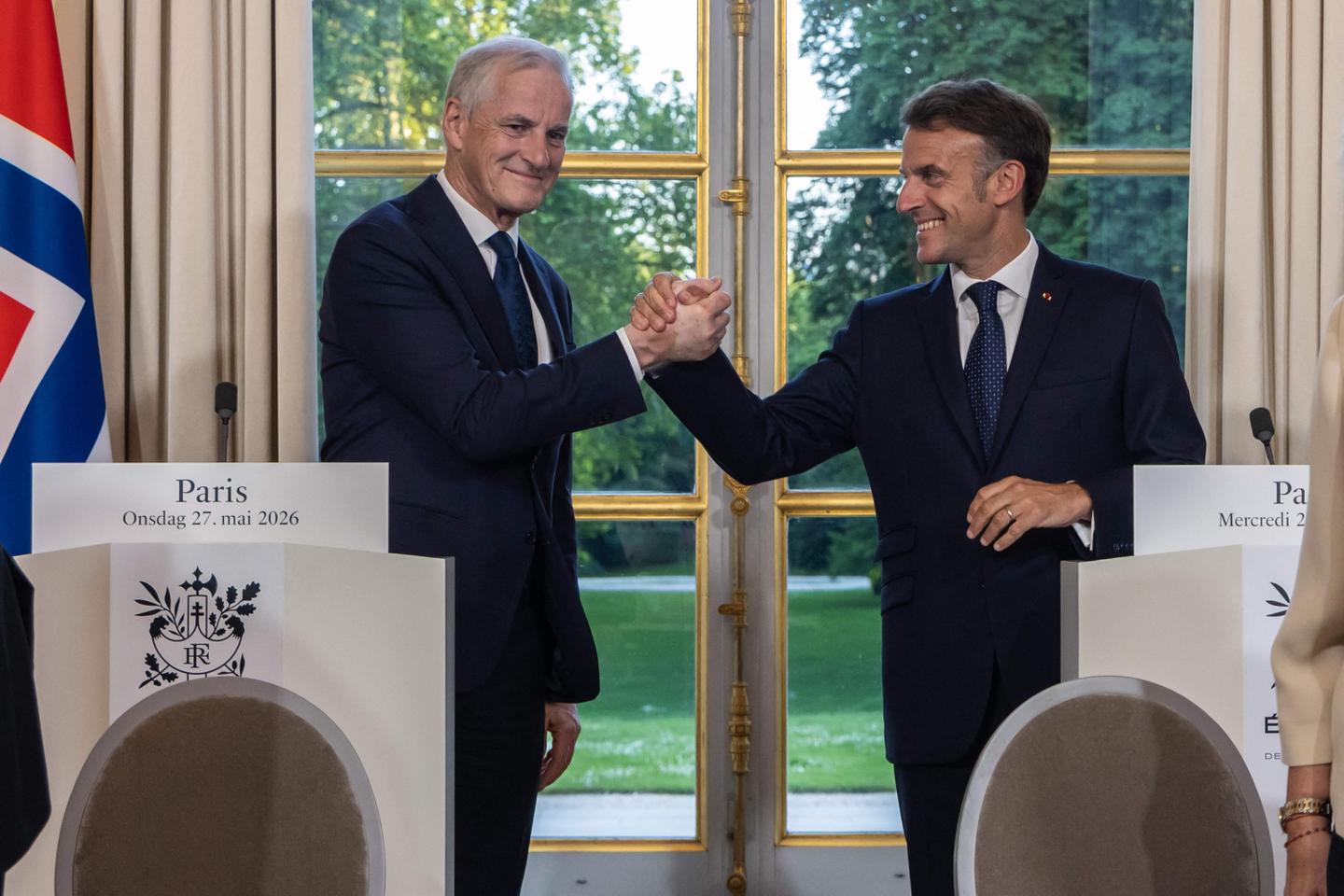
Norway signed a comprehensive defence pact with France and joined Paris's nuclear deterrence scheme, becoming the ninth country in the program. The agreement expands cooperation on strategic air forces, hybrid warfare, maritime security, space, cybersecurity, Ukraine support and defence industrial cooperation. The development is geopolitically significant for European security, but it is not a direct macroeconomic or corporate market catalyst.
This is less a headline about French deterrence than a signal that Europe is moving from ad hoc crisis response toward an integrated hard-security network. The first-order beneficiary is not the obvious defense primes alone; it is the broader industrial base tied to mobility, command-and-control, air-defense integration, secure communications, and munitions replenishment, because “forward deterrence” only works if hosts can absorb, disperse, and support assets quickly. That shifts spending from one-off platform purchases toward persistent infrastructure, software, and prepositioned logistics — a multi-year budget tailwind with higher visibility than standard procurement cycles. For the UK, the marginal benefit is incremental but real: the market should treat this as a reinforcement of its role inside the European defense architecture despite political separation from the EU. The second-order effect is that UK defense names with continental exposure can see a valuation re-rate if investors start pricing in more cross-border interoperability contracts and participation in joint exercises, not just domestic MoD spend. The bigger winner may be suppliers that solve the “glue” problem — secure comms, mission software, electronic warfare, and maintenance — rather than headline platform OEMs already priced for a higher-spend regime. The key risk is that the market overstates near-term revenue conversion. Political signaling can happen in days, but actual spending and contract awards typically lag by 6-18 months, and many of the capabilities implied here are infrastructure-heavy rather than margin-accretive in the first year. A reversal would require a de-escalation narrative or fiscal pushback in Europe, but the more plausible brake is execution: coordination failures, procurement bottlenecks, and capacity constraints in European defense supply chains could delay the earnings impact even as order books improve. Contrarian view: this may be underappreciated as a demand shock for UK-linked defense and industrial intermediates, but overappreciated as an immediate catalyst for the biggest primes. The sharper trade is to own the enablers that benefit from interoperability and readiness spending, while fading any knee-jerk rally in the most obvious platform names where the story is already embedded. In short, the market should price a longer-duration industrial acceleration, not a one-quarter earnings pop.
AI-powered research, real-time alerts, and portfolio analytics for institutional investors.
Request DemoOverall Sentiment
neutral
Sentiment Score
0.15
Ticker Sentiment
