
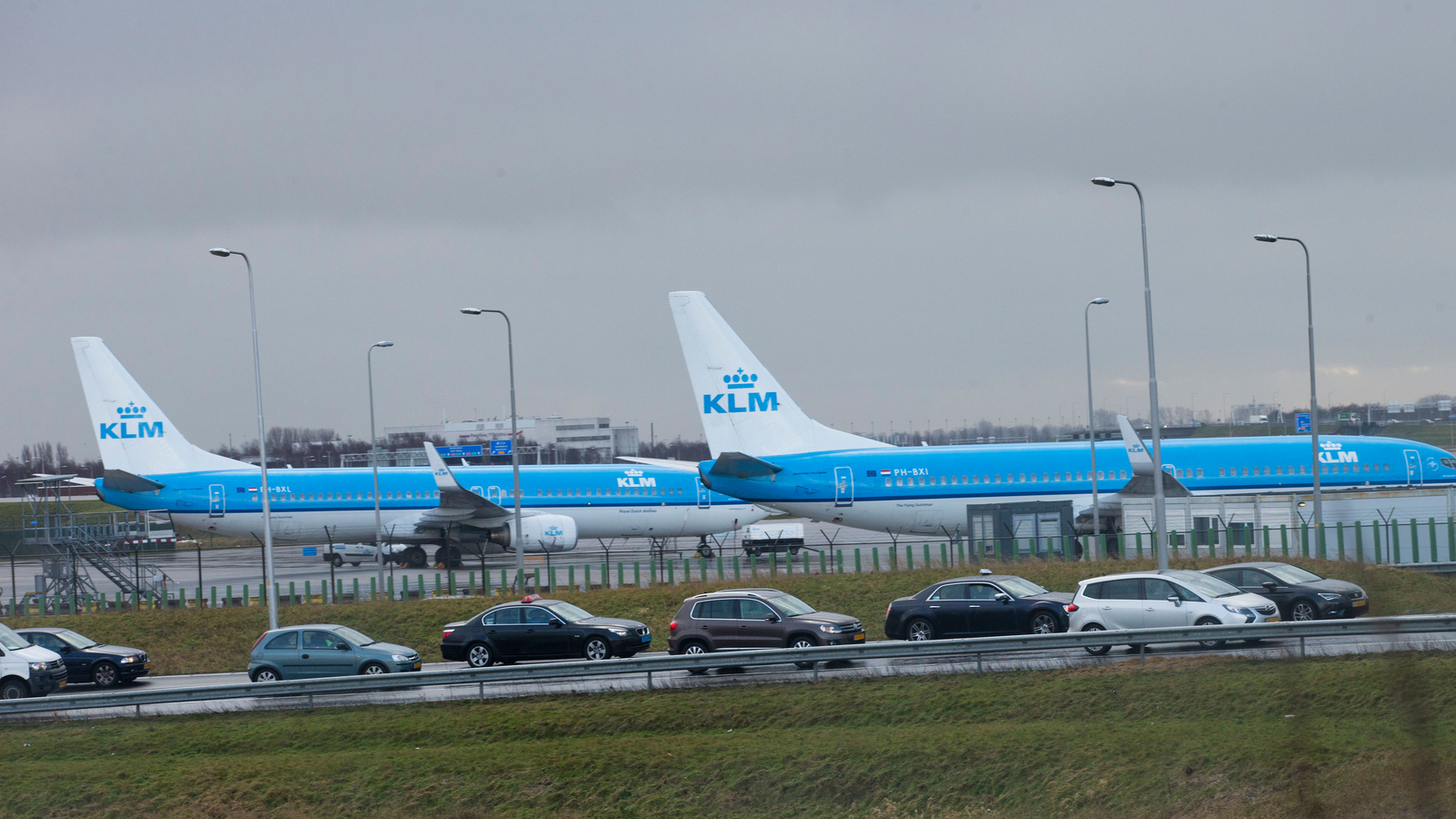
The IEA warned Europe may have only about six weeks of jet fuel left if Strait of Hormuz disruptions persist, with potential flight cancellations and higher gasoline, gas, and electricity prices. Birol said more than 110 oil tankers and 15 LNG carriers are waiting in the Persian Gulf, while over 80 regional energy assets have been damaged, with some severely so. The crisis could push weaker economies toward high inflation, slower growth, or recession, making this a broad market and macro shock.
This is less a simple crude shock than a temporary logistics choke on refined products, which is why the market may underprice the second-order damage. Jet fuel scarcity in Europe is a margin squeeze for airlines, but the bigger knock-on is network disruption: once carriers trim marginal routes, airport utilization, connecting traffic, and cargo belly capacity all deteriorate together, amplifying pain beyond the direct fuel bill. That creates a near-term asymmetry where defensives in aviation services, airports, and travel-dependent retailers can de-rate faster than the airlines themselves.
The most interesting setup is that the market may be focusing on headline oil while the tighter trade is refined-product exposure. If crude can be rerouted but Middle East refining/product flows remain impaired, crack spreads can stay elevated even if Brent retraces, which is supportive for complex refiners with accessible feedstock and storage, and punitive for airlines with weak hedging discipline. Europe is especially vulnerable because it is structurally dependent on imported middle-distillates, so the shock can persist for weeks even after any diplomatic de-escalation.
From a macro perspective, this is a stagflation impulse with a lag: first airfares and freight rates, then consumer discretionary demand, then margin compression in transport-heavy sectors. Emerging markets are the hidden fragility because they face both energy import inflation and currency pressure, which can force policy tightening into slowing growth. The consensus risk is to assume a quick normalization if the Strait partially reopens; the more durable bear case is that damage to infrastructure and the normalization of extortionary passage fees keep risk premiums elevated for months.
The contrarian angle is that energy equities may not be the cleanest long here if the shock is mostly product scarcity rather than sustained crude supply loss. Refiners and logistics beneficiaries can outperform upstream, while airlines can sell off hard even if ticket pricing eventually passes through some costs. If policymakers respond with reserve releases, the first effect may be to cap crude, not to fix jet fuel availability, which would keep the bearish travel thesis intact while muting the headline commodity move.
AI-powered research, real-time alerts, and portfolio analytics for institutional investors.
Request TrialOverall Sentiment
strongly negative
Sentiment Score
-0.85
Ticker Sentiment
