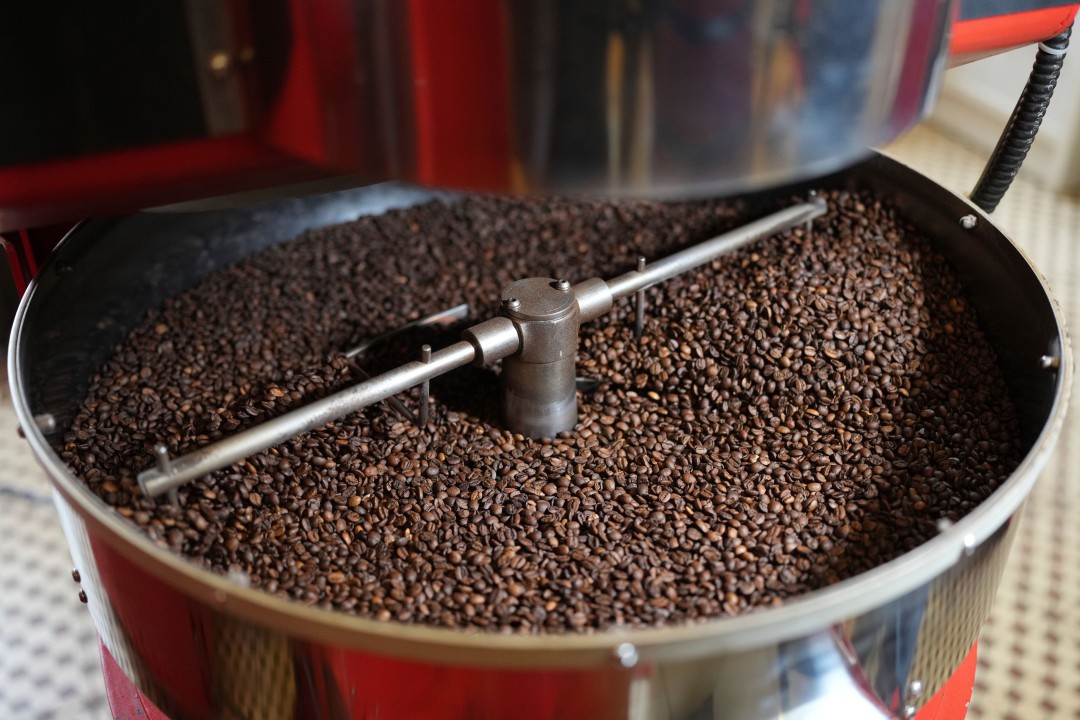
Cocoa has plunged ~70% since its May 2025 peak; arabica coffee futures are trading near $2.93 with analysts warning of a potential drop to $2.00 (≈32% downside) or $1.80 (≈39% downside) by year-end. Demand signals show strain—61% of 1,500 Americans report cutting coffee costs—and buyers/roasters are shifting from higher-priced arabicas to robusta, while coffee prices have almost doubled since 2020. Offsetting factors include resilient overall consumption, expectations that Brazilian growers will release a bumper crop gradually (limiting a one-time flood), and price stickiness in retail and chocolate due to tariffs and long-term contracts, meaning café menu prices may not fall commensurately even if commodity prices decline.
The market is set up for a quality-driven divergence: a persistent shift from arabica to robusta will compress arabica prices disproportionally because global contracts, specialty roasters and futures liquidity are concentrated in arabica. That decomposes value across the chain — exporters and origin traders holding higher-grade inventory will be forced to mark-to-market against a thinning bid, while processors and blends that can substitute robusta capture margin through ingredient arbitrage.
Key catalysts sit on a 3–9 month horizon. The principal upside risk is a weather shock or logistics disruption that tightens physical flows and forces a short-covering in a shallow front-month market; conversely, a large but steady Brazilian crop and methodical commercial selling would sap momentum and steepen calendar spreads. Spec positioning and OI flows are the accelerant: a rapid liquidation of managed-money longs can produce outsized moves in cash and front-month contracts within days.
From a P&L timing perspective, expect most corporate beneficiaries to show improvements with lag: roaster/retailer gross margin expansion is likely to phase in over 2–4 quarters as hedges roll off and new purchases price lower. That creates an arbitrage window where derivatives discount moves faster than corporate earnings, enabling capital-efficient option structures to capture the decoupling between commodity moves and reported company performance.
The consensus underestimates grade and contract structure frictions. Many investors model a uniform pass-through of commodity moves to retail prices, but quality premiums, long-term commercial contracts and menu-stickiness mean producers—not consumers—will capture much of the near-term gains. Monitor front-month vs 6–12 month spreads and managed-money net-long as the real-time barometer that will validate either the crash scenario or a gradual normalization.
AI-powered research, real-time alerts, and portfolio analytics for institutional investors.
Request DemoOverall Sentiment
mildly negative
Sentiment Score
-0.35
Ticker Sentiment
