
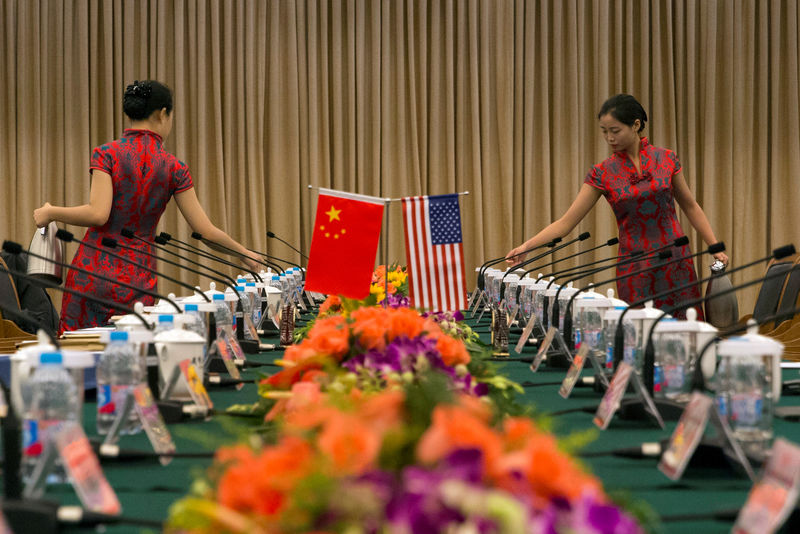
Trump signaled an imminent and potentially "historic" meeting with Xi Jinping, with talks framed around reopening the Strait of Hormuz and stabilizing global energy flows. The article also points to a possible U.S.-China trade package that could include larger Chinese purchases of U.S. agricultural and energy products, which would be supportive for those sectors. However, the outlook remains uncertain given the looming Tehran ceasefire deadline and skepticism about whether these diplomatic claims will translate into formal agreements.
The market is likely mispricing the difference between signaling and settlement. A headline-driven thaw in U.S.-China relations can lift cyclicals and transport names for 1-3 sessions, but the real upside is in names exposed to reduced tariff/friction risk only if there is follow-through on procurement and logistics normalization. That matters more for semiconductor supply chains, industrial freight, and discretionary importers than for broad indices, which tend to fade geopolitical relief once implied volatility collapses.
For Apple, the second-order issue is not the tribunal outcome itself but the precedent on regulatory durability. A favorable ruling lowers near-term legal overhang, but it also reduces the probability of a meaningful U.S.-China retrenchment being weaponized against premium consumer hardware, which should modestly improve multiples for large-cap hardware and Apple suppliers. However, if the broader China détente stalls, Apple is still exposed to margin compression from component nationalism and any retaliatory scrutiny over U.S. tech exports.
Energy is the cleaner tactical beneficiary, but only if the Strait reopening narrative translates into sustained flow normalization over several weeks, not just rhetoric. In that case, tanker and LNG names lose the most relative upside, while airlines, parcel/logistics, and industrials get a delayed margin tailwind as fuel and insurance costs ease. The contrarian risk is that markets are extrapolating a de-escalation path that remains hostage to a ceasefire deadline; if talks slip, the relief trade unwinds faster than it was built.
Net: this is a volatility compression setup, not a clean risk-on regime shift. The best expression is to lean into sectors with asymmetric downside if tensions reprice again, while keeping hedges on trade-sensitive cyclicals that are most exposed to a headline reversal over the next 2-6 weeks.
AI-powered research, real-time alerts, and portfolio analytics for institutional investors.
Request TrialOverall Sentiment
mixed
Sentiment Score
0.15
Ticker Sentiment
