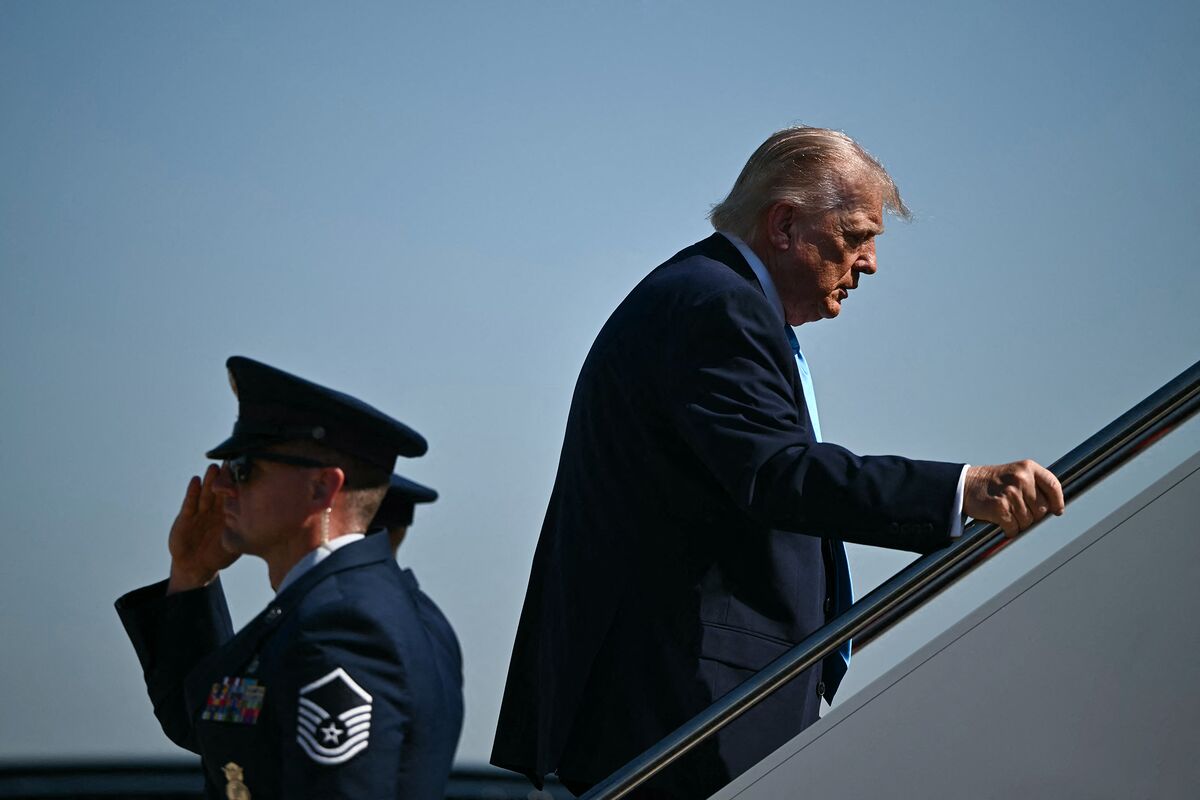
Two- to 10-year Treasury yields fell about 10 basis points after Trump said the US and Iran were in the "final stages" of talks, boosting optimism that a deal could ease energy-price pressures. Treasuries rallied on the lower geopolitical risk premium, while the Bloomberg Dollar Spot Index slipped 0.3%. The move has broad market implications given the potential impact on oil, inflation expectations, and rates.
The market is pricing a near-term geopolitical risk premium unwind, but the first-order move in rates is only part of the story: lower energy expectations reduce inflation breakevens, which can mechanically extend duration demand and tighten financial conditions at the margin. That tends to favor long-end Treasuries, high-duration growth equities, and lower-quality credit only if the rally reflects a genuine de-escalation rather than a headline-driven squeeze.
The bigger second-order beneficiary is anything exposed to input-cost relief and consumer real income: airlines, transports, chemicals, and discretionary names should outperform if crude stabilizes lower for even a few weeks. Conversely, energy equities can lag oil less on day one than on month one because the market often first treats diplomatic headlines as reversible; the more durable underperformance comes if implied volatility and forward curves reset downward, compressing upstream cash flow expectations and buyback capacity.
The key risk is that this is a binary headline market with a short half-life. If talks stall, the reversal can be violent because positioning likely leaned to one side after the bond rally; rates could reprice higher quickly, the dollar rebound, and energy beta reassert itself. Over a 1-3 month horizon, the real question is whether this changes shipping/insurance assumptions in the Gulf enough to alter freight rates and global inventory behavior, not just spot crude.
Contrarian view: the bond move may be overextended relative to the probability-weighted policy outcome. A partial diplomatic thaw does not equal a durable supply normalization, and market participants may be underpricing the chance that any agreement is narrow, delayed, or easily reversed—meaning inflation expectations can bounce back even if risk assets celebrate for a few sessions.
AI-powered research, real-time alerts, and portfolio analytics for institutional investors.
Request DemoOverall Sentiment
moderately positive
Sentiment Score
0.35
