


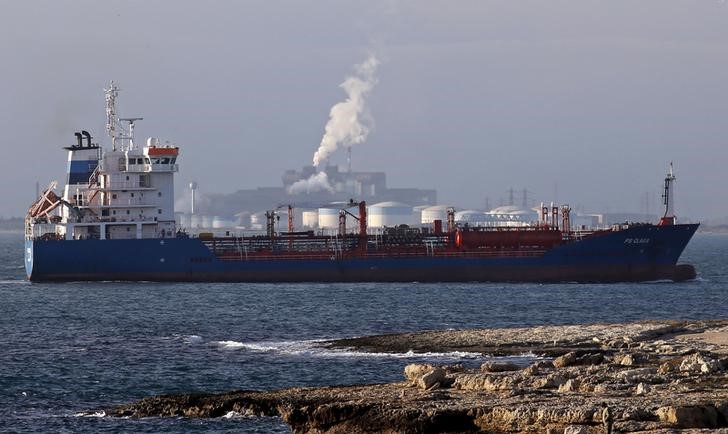
The Trump administration issued a fresh 30-day waiver allowing purchases of Russian oil and petroleum products already at sea through May 16, reversing guidance from just two days earlier. The move is intended to ease energy prices amid Middle East disruptions and a partial Strait of Hormuz closure, but it extends relief for Russian energy flows and drew criticism from lawmakers and European allies. The policy is likely to affect global oil markets and shipping flows, even as it explicitly excludes Iran, Cuba, and North Korea.
This is a short-horizon relief valve for energy markets, but the bigger signal is policy elasticity: when inflation pressure collides with sanctions doctrine, the market should expect repeated carve-outs rather than a clean sanctions regime. That lowers the tail risk of a sustained energy spike, which is modestly negative for integrated oil volatility and for any equity basket priced on a persistent geopolitical premium. The more important second-order effect is that Asia’s crude import system is being trained to rely on intermittent Western exemptions, which reduces the credibility of future enforcement and weakens the pricing power of sanctions as a policy tool.
For equities, the immediate beneficiary is anything rate-sensitive or input-cost sensitive rather than direct energy producers. Lower expected pump prices help consumer discretionary and transport margins first, then feed into softer inflation prints with a lag of 1-2 months, increasing the odds of a friendlier macro tape into the next data cycle. That matters more for high-duration multiples than for cyclical cash flow names; a stable-to-lower oil path can support semis and software beta even if the geopolitical backdrop remains noisy.
The contrarian view is that the market may be overestimating the permanence of this waiver. If shipping normalizes faster than expected, the relief can fade within weeks, while any renewed disruption in the Strait or a political backlash in Washington could tighten enforcement abruptly. The risk/reward is therefore best expressed as a tactical hedge against an energy spike rather than a structural bearish call on crude: the policy path is volatile, but the political incentive to suppress fuel prices into the election window is strong.
Apple looks largely incidental here; the only investable angle is via macro duration and supply-chain expectations, not direct company fundamentals. The small positive read-through for AI/data-center names is that lower energy costs and easing inflation expectations can support multiple expansion, which marginally favors the market’s highest-duration growth leaders over commodity-linked cash generators.
AI-powered research, real-time alerts, and portfolio analytics for institutional investors.
Request TrialOverall Sentiment
mildly negative
Sentiment Score
-0.10
Ticker Sentiment
