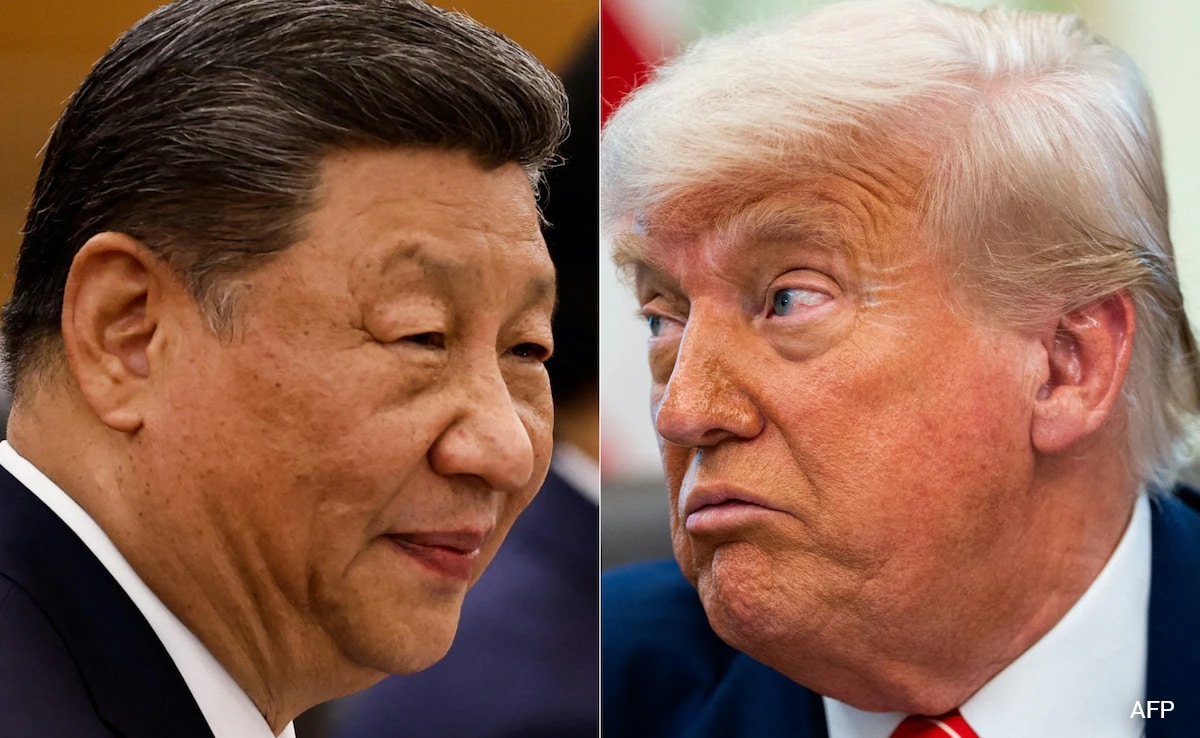
Xi Jinping proposed a four-point Middle East peace plan centered on peaceful coexistence, sovereignty, UN-backed order, and linking development with security. The backdrop is escalating US-Iran tensions, including threats to Iranian shipping and a 50% tariff warning on China if it provides military assistance to Tehran. The article also highlights Iran’s effective closure of the Strait of Hormuz to most traffic, a key risk for global oil and shipping markets.
This is less a peace initiative than a positioning signal: China is trying to convert regional instability into a diplomacy-and-trade wedge against the U.S. The immediate market implication is not oil supply loss per se, but a higher probability of fragmented shipping rules, delayed cargoes, and episodic risk premia in Gulf-linked energy and industrial supply chains. That tends to favor physical scarcity plays and freight/security optionality more than outright directional oil beta.
The sharper second-order issue is tariff escalation risk. If Washington broadens the dispute to Chinese support for Iran, the market should expect retaliation to show up first in trade-sensitive cyclicals and Asia-facing multinationals, while China can respond asymmetrically through customs, licensing, or informal supply delays rather than headline tariffs. That makes semis, industrial machinery, and consumer names with Gulf/China exposure vulnerable over weeks, not days, because earnings guidance can be cut before hard data deteriorates.
Contrarian angle: the market may be overestimating the likelihood of a clean U.S.-China tariff shock and underestimating how quickly both sides back away once shipping, inflation, and election optics worsen. The more durable trade is not “buy war,” but own volatility around it: option premiums in energy and defense proxies should stay bid while spot exposures remain headline-sensitive. If this escalates into actual port restrictions or Strait of Hormuz disruption, the largest relative winners are not broad commodity equities but tanker, insurance, and non-Gulf energy names with uncorrelated supply access.
AI-powered research, real-time alerts, and portfolio analytics for institutional investors.
Overall Sentiment
mildly negative
Sentiment Score
-0.25
