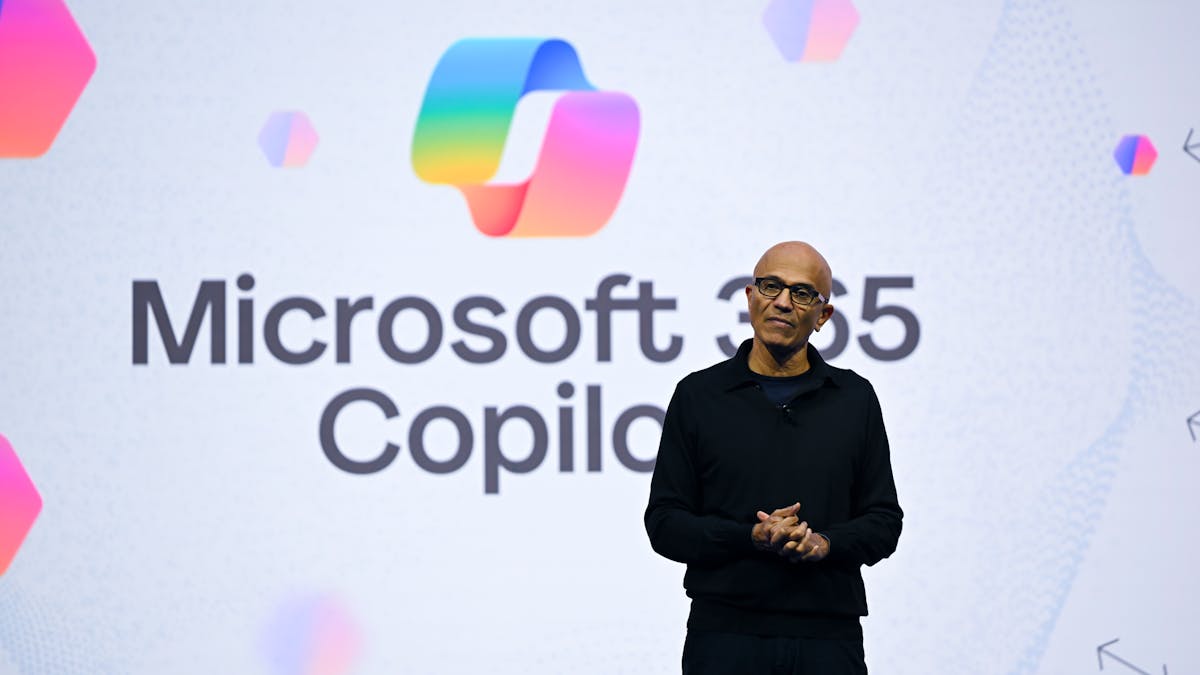
Microsoft is reportedly prioritizing a redesign of 365 Copilot to work more like OpenClaw-style agentic AI, with CEO Satya Nadella making the revamp a top priority. The effort highlights Microsoft’s push to compete in enterprise AI while adding stricter security controls after OpenClaw users encountered security issues. The article is strategic rather than financial, so near-term market impact appears limited.
The strategic issue is not whether Microsoft can add agentic features, but whether it can convert Copilot from a nice-to-have assistant into an operating layer that becomes sticky inside the enterprise workflow. If it succeeds, the economic benefit is larger than a simple seat-price uplift: higher retention, higher attach rates across E5/security, and a better reason for customers to keep core workloads on Microsoft rather than fragmenting to best-of-breed AI tools. The market is still underestimating how much an enterprise-grade agent could reduce churn in the broader 365 franchise if it reliably handles repetitive work with auditability and permission boundaries. The second-order winner is likely Azure, not just 365. An enterprise Copilot that can safely execute tasks will require identity, policy, logging, and workload orchestration, which pushes inference, data, and governance load deeper into Microsoft’s stack. That creates a virtuous loop: the more embedded the agent becomes, the more switching costs rise, and the harder it gets for standalone AI startups to displace Microsoft at the application layer without also recreating a full security/compliance plane. The main risk is execution latency: consumer-grade agent UX can be built quickly, but enterprise trust is earned over quarters, not weeks. Any security incident, hallucinated action, or permissions misfire would slow adoption materially and could force Microsoft into a more constrained product than competitors offer, limiting the upside to incremental license defense rather than a step-function growth story. In the nearer term, the catalyst path is product announcements and pilot expansion over the next 1-2 quarters; over 12-24 months the real test is whether usage translates into measurable ARPU and retention uplift rather than just headline engagement. Contrarian takeaway: the consensus is focusing on product quality, but distribution may matter more than model capability. Microsoft does not need to win the best-agent contest globally; it needs to be the default enterprise-safe agent for users already living in Outlook, Teams, SharePoint, and Excel. That suggests the current setup is more bullish than the market may be giving credit for, because even a "good enough" agent can become a moat if it is embedded in permissions, compliance, and procurement workflows.
AI-powered research, real-time alerts, and portfolio analytics for institutional investors.
Request DemoOverall Sentiment
mildly positive
Sentiment Score
0.15
Ticker Sentiment
