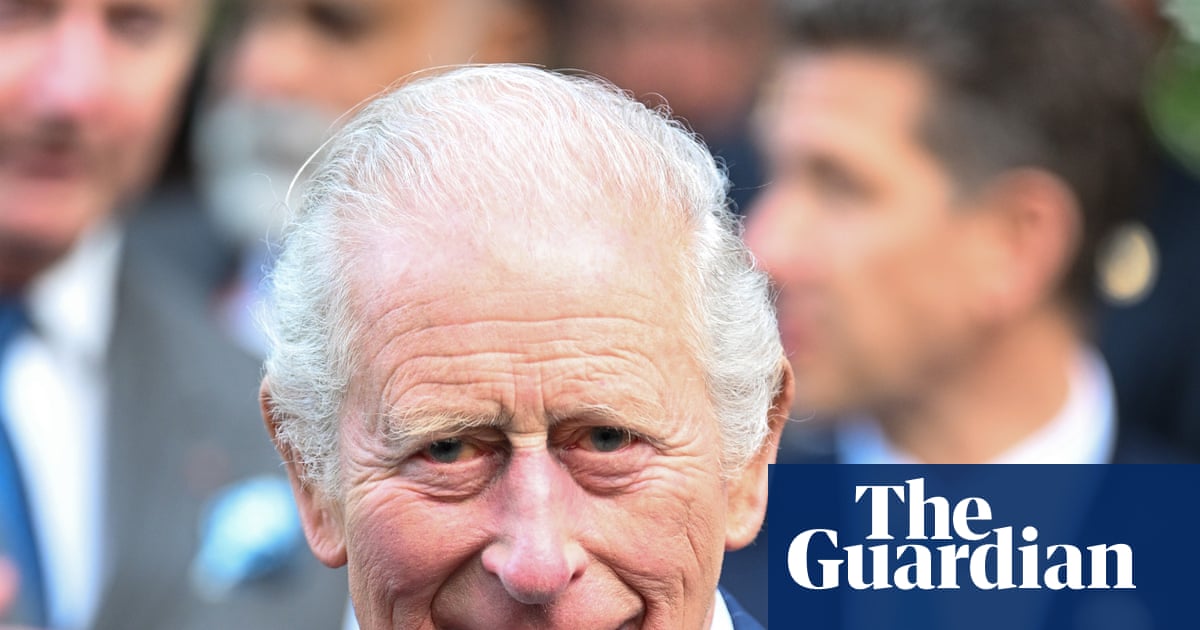
King Charles is expected to use a rare address to the US Congress to call for renewed UK-US cooperation amid rising tensions over tariffs, digital services tax disputes, and Donald Trump’s criticism of the UK and its leaders. The speech comes against a backdrop of Iran-related geopolitical strain that is adding to global economic instability and cost-of-living pressures. While largely symbolic, the remarks highlight trade, technology, and defense ties between the two countries.
The market should treat this less as ceremonial diplomacy and more as a signaling event for policy asymmetry. The key second-order effect is that trade friction between the UK and US is now becoming entangled with defense alignment, digital taxes, and alliance optics, which raises the probability of headline-driven tariff threats even if a full trade rupture remains unlikely. That makes UK-facing cyclicals and multinationals with UK revenue exposure more vulnerable to multiple compression than to immediate earnings damage.
The bigger medium-term pressure point is technology and services rather than goods. If tariff threats are used as leverage against the UK’s digital services tax, the spillover risk is broader: European policymakers may infer that unilateral digital taxation increases exposure to US retaliation, which could temporarily slow similar measures elsewhere. For global tech platforms, this is mildly positive in the near term, but it also increases regulatory noise and may push more tax policy into bilateral bargaining rather than clean legislation.
Defense and infrastructure names are the cleanest relative beneficiaries because the speech reinforces alliance durability while the geopolitical backdrop remains unstable. The Iran conflict and broader inflation impulse make renewed emphasis on security and resilience more durable than the current news cycle suggests, which can support procurement budgets even if headline politics wobble. A contrarian risk is that the rhetoric itself becomes a pressure valve: if both sides use strong language but avoid substantive action, the market may overprice a tariff shock and then mean-revert quickly within days to weeks.
The more interesting tail risk is that this episode accelerates a broader fragmentation of Western trade policy, where allies increasingly weaponize taxes, procurement, and digital rules against each other. That would be bearish for cross-border services margins and supply-chain efficiency over 6-12 months, but bullish for domestic-capex and defense-adjacent industries. In other words, the immediate market impact is probably modest, but the policy regime signal is incrementally negative for globalization-sensitive equities.
AI-powered research, real-time alerts, and portfolio analytics for institutional investors.
Request DemoOverall Sentiment
mildly negative
Sentiment Score
-0.15
