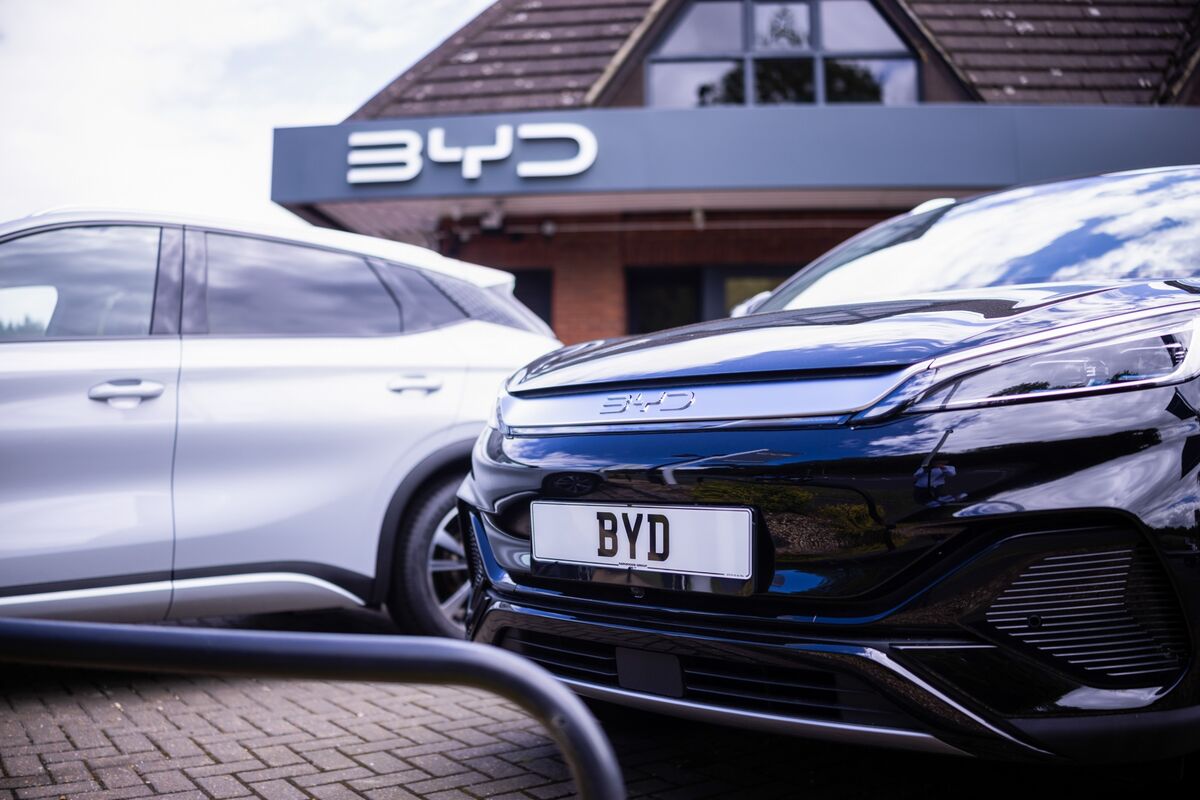
The China Association of Automobile Manufacturers has cautioned against "vicious competition" within the auto industry, following recent price cuts initiated by BYD Co. and subsequently adopted by other automakers. This warning signals concerns that a price war could erode profitability for electric carmakers in an already competitive market.
The China Association of Automobile Manufacturers (CAAM) issued a significant warning on Saturday regarding "vicious competition" within the nation's automotive sector. This alert directly follows aggressive price reductions initiated by BYD Co. on May 23, which spurred other automakers to implement similar cuts, thereby igniting concerns of a widespread "price war." The CAAM's statement, while not naming specific companies, underscores the escalating competitive pressures, particularly for electric vehicle manufacturers, whose profit margins are now under heightened scrutiny. The development carries a "strongly negative" sentiment (score: -0.7) and a notable market impact score of 0.6, indicating potential adverse effects on corporate earnings and market stability within the Chinese automotive and EV industries. This situation points to a challenging operating environment where intense rivalry could lead to unsustainable pricing strategies and diminished profitability across the board.
AI-powered research, real-time alerts, and portfolio analytics for institutional investors.
Request DemoOverall Sentiment
strongly negative
Sentiment Score
-0.70
