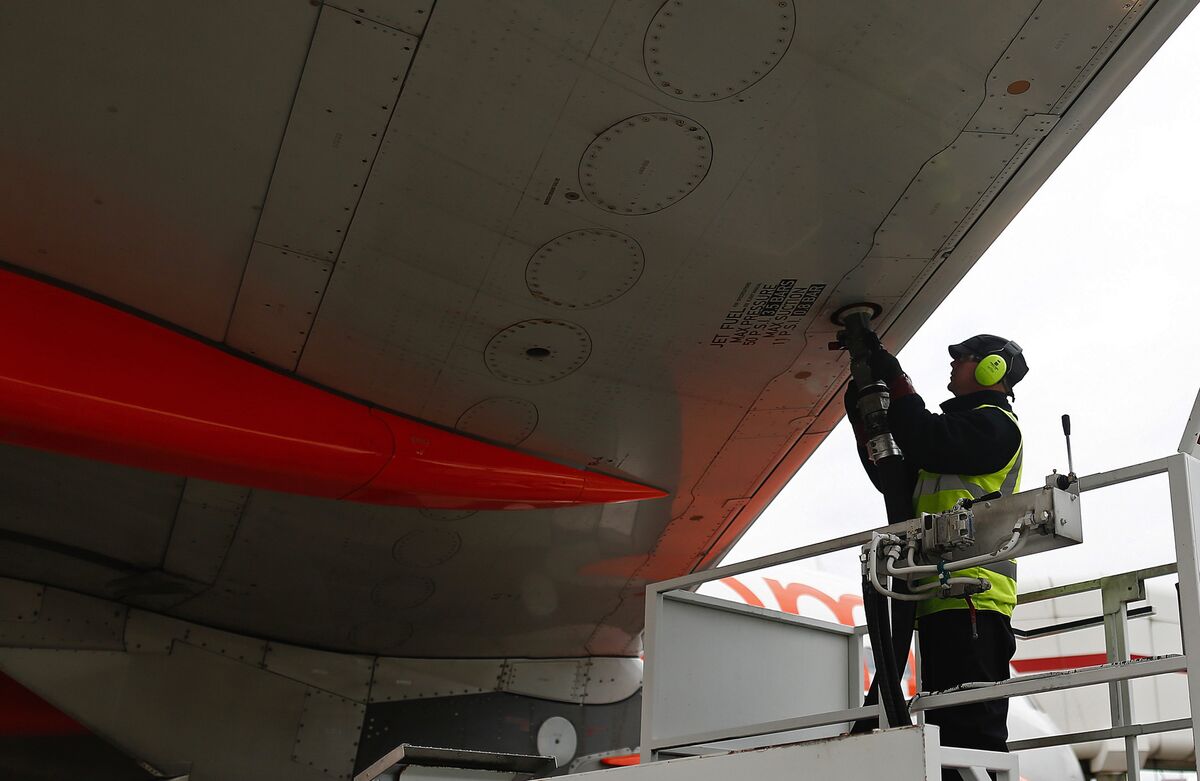
Menzies Aviation expects jet fuel costs to remain elevated for several more months due to fallout from the Iran war, with the impact potentially lasting into Q2 2027. The company warned that higher fuel prices could feed into inflation concerns after the summer travel season and into the quieter winter period. The update is a cautious outlook for aviation and airport services, but it is not a major market-moving event.
This is a margin squeeze story masquerading as a fuel-market headline. The first-order damage lands on aviation and ground-handling operators with limited pricing power, but the second-order winners are broader transport names that can reprice quickly or pass through surcharges—especially carriers with premium demand and lower fuel sensitivity per seat-mile. The real risk is not one quarter of pain; it is a multi-quarter reset in cost expectations that bleeds into winter budgeting and 2026 procurement, which tends to compress multiples before it shows up in reported numbers.
The more important dynamic is competitive asymmetry. Operators with older fleets, weaker hedging programs, or exposure to short-haul and cargo-intensive routes will see the worst operating leverage, while better-capitalized peers can use the dislocation to lock in market share, negotiate airport contracts, or underwrite more aggressive capacity discipline. If fuel stays elevated into Q2 2027, the winners are not necessarily the airlines with the lowest current costs, but those that can keep unit revenues ahead of inflation without destroying load factors.
The catalyst path is binary: a quick geopolitical thaw or supply normalization would deflate the thesis in days to weeks, but absent that, the market should price in a slower earnings downgrade cycle over 1-3 reporting seasons. A key contrarian point is that the consensus may overestimate how much of this can be hedged away; many transport businesses hedge timing, not structural cost level, and contract resets usually lag spot by months, not eliminate the shock. That makes the move underappreciated for ancillary aviation services, where investors often focus on traffic volumes and miss the spread between inflation and pricing power.
For portfolio construction, this is more attractive as a relative-value short than a directional macro bet: the pain is concentrated, while the macro upside to energy is less certain and already partially priced into the commodity complex. The best setup is to fade names that look operationally insulated but actually depend on airport throughput, ground handling, and maintenance cycles that degrade when airlines cut frequency or push capex. Watch for the first earnings call that quantifies contract renewals—those will be the first hard evidence of whether this becomes a 2-3 quarter nuisance or a 2026-27 earnings problem.
AI-powered research, real-time alerts, and portfolio analytics for institutional investors.
Request DemoOverall Sentiment
mildly negative
Sentiment Score
-0.35
