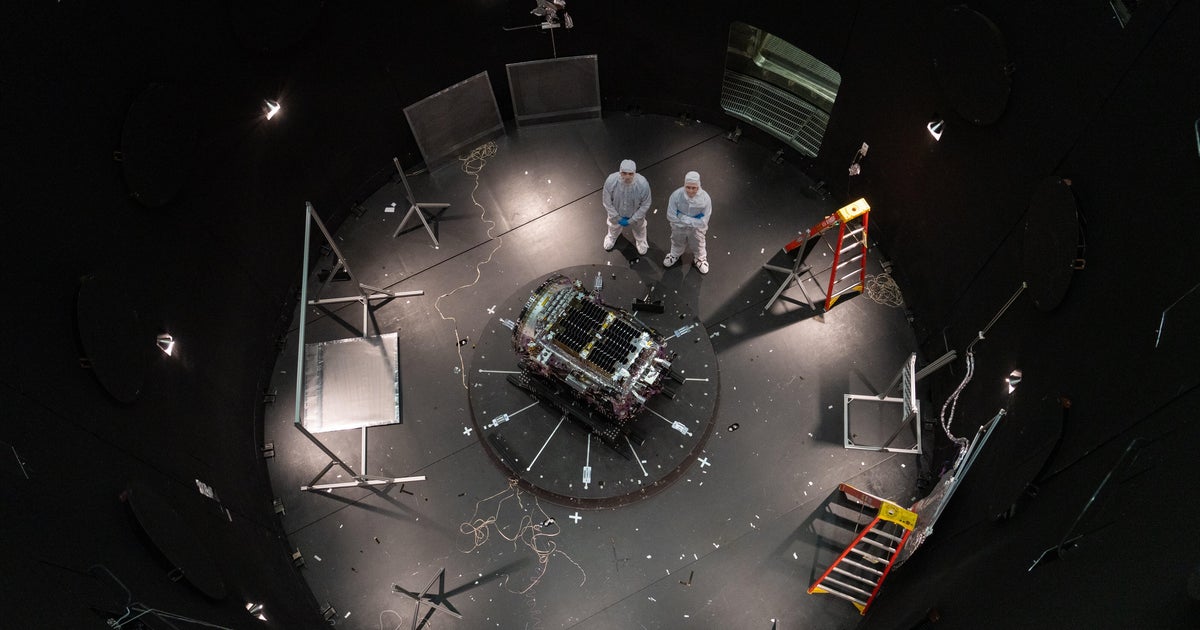
NASA is backing a $30 million robotic rescue mission to raise the Swift Observatory from 224 miles to 373 miles, with lift-off potentially as early as Tuesday and the telescope at its point of no return expected in October. If successful, Swift could resume operations by September and extend the life of a $100s of millions asset, while validating Katalyst Space Technologies' in-orbit servicing platform. The story is positive for space-tech innovation, but near-term market impact is limited.
This is less a one-off salvage story than a proof-of-concept for orbital maintenance as a service layer. The second-order implication is that spacecraft longevity shifts from a sunk-cost model to an uptime model, which should expand the addressable market for in-orbit servicing, rendezvous autonomy, and mission-extension robotics. The near-term commercial signal is strongest for private small-cap aerospace names with autonomy, guidance, and proximity-ops IP; the longer-term prize is a recurring revenue stream tied to national security and science fleets that are otherwise write-offs when they decay.
The biggest hidden winner may be not the mission itself, but the procurement precedent. If this works, NASA and DoD can justify paying to extend high-value assets rather than replacing them, which favors companies with dual-use servicing tech, docking systems, and resilient avionics. That also pressures traditional satellite OEMs over time: if operators can buy 2-5 extra years of life for a fraction of replacement cost, new-build demand growth may slow at the margin, while aftermarket service economics become more important than bus sales.
The risk is execution asymmetry: one failed capture could set back the category by years because customers will mentally price in a high failure penalty for uncrewed servicing. The catalyst window is short for sentiment but long for monetization; a successful capture can re-rate the theme in days, while meaningful revenue only compounds over quarters and years as follow-on contracts are bid. A contrarian read is that the market may over-celebrate the demonstration while underestimating how slow regulatory, liability, and insurance frameworks are to adapt to robot-on-robot operations in orbit.
For hedge funds, the cleanest expression is to own the enablers, not the moonshot: software, autonomy, and space infrastructure names with exposure to on-orbit servicing, while fading pure launch or legacy bus vendors that could see pricing pressure if life-extension becomes normalized. The event also creates a vol opportunity because the stock-specific winners will likely be small-cap and illiquid, making option structures preferable where available. A successful mission should be treated as an early-stage platform validation, not a terminal revenue event.
AI-powered research, real-time alerts, and portfolio analytics for institutional investors.
Request DemoOverall Sentiment
mildly positive
Sentiment Score
0.18
