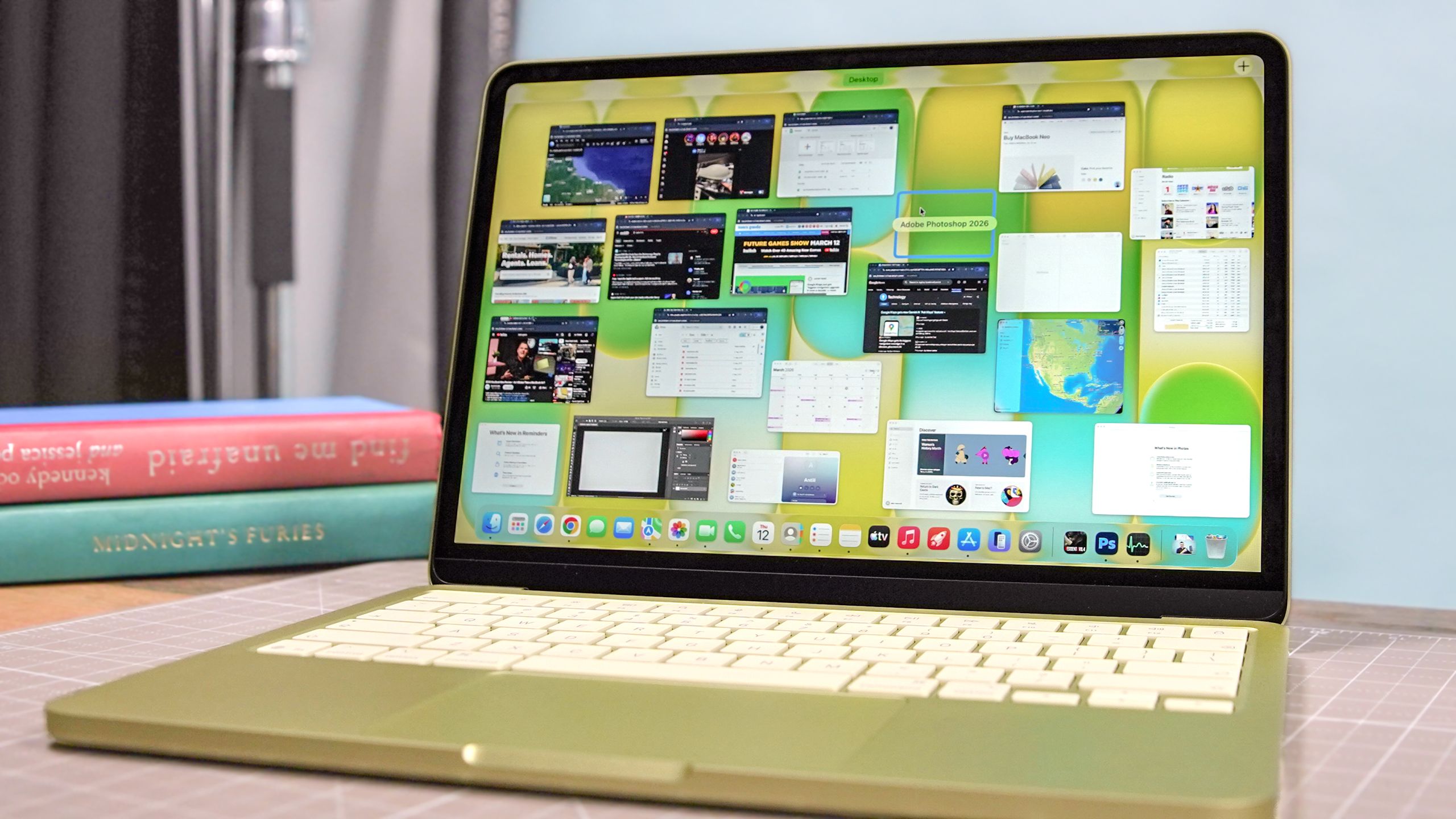
MacBook Neo with 8GB unified memory showed 7.24 GB total system usage vs 27.1 GB on an Asus ProArt Windows laptop (nearly 4x higher) for the same workload; Chrome used ~1.67 GB vs 4.76 GB while Photoshop usage was ~3.86 GB on both. The piece argues Apple’s unified memory and aggressive memory management enable lower-spec hardware to perform like higher-RAM Windows machines, which could undermine the economics of budget Windows laptops. Coupled with an anticipated RAM price shock (cited ~15% increase in related coverage), this dynamic risks raising prices for low-cost Windows OEMs and may force efficiency changes in Windows memory handling.
Apple’s unified memory architecture creates an outsized margin for the company in the low-cost laptop segment by turning software efficiency into effective hardware cost savings; that advantage compresses the addressable battleground to OS and experience rather than raw RAM specs. OEMs that compete on nominal hardware specs will find it harder to justify higher RAM SKUs to price-sensitive buyers, forcing a shift in competitive emphasis toward software optimizations, bundled services, and GPU capabilities that Windows/PC makers still own.
Memory-supply and OEM margin dynamics are the clearest second-order channel: if commodity memory costs rise or stay elevated, PC vendors face either margin compression or the need to re-price entry models — which favors Apple, whose platform reduces dependency on commodity RAM. Microsoft and major OEMs have two levers to blunt this risk over the next 6–18 months: (1) change Windows memory heuristics or offer a lightweight Windows SKU, and (2) accelerate application-level memory improvements (browsers, drivers). Failure on both fronts hands Apple sustained share gains in budget laptops.
Winners beyond Apple include software providers whose apps already run lean on Apple Silicon (software subscription monetization benefits from platform stickiness), while GPU and gaming ecosystems preserve a runway for Windows OEMs but at higher incremental cost. Adobe sits in a neutral-to-mildly-positive spot: creative professionals’ platform decisions are sticky and could slightly tilt incremental ARR toward macOS, even as Photoshop performance parity reduces migration friction.
Primary catalysts to watch are: OEM pricing announcements for the upcoming back-to-school and holiday cycles (weeks–months), any Microsoft OS-level memory policy change (quarterly cadence), and memory spot-price movements that will manifest in OEM ASPs before appearing in consumer pricing (1–4 quarters). A rapid Microsoft response or a supply shock reversing memory costs are the two main reversion paths to monitor.
AI-powered research, real-time alerts, and portfolio analytics for institutional investors.
Request DemoOverall Sentiment
mildly positive
Sentiment Score
0.25
Ticker Sentiment
