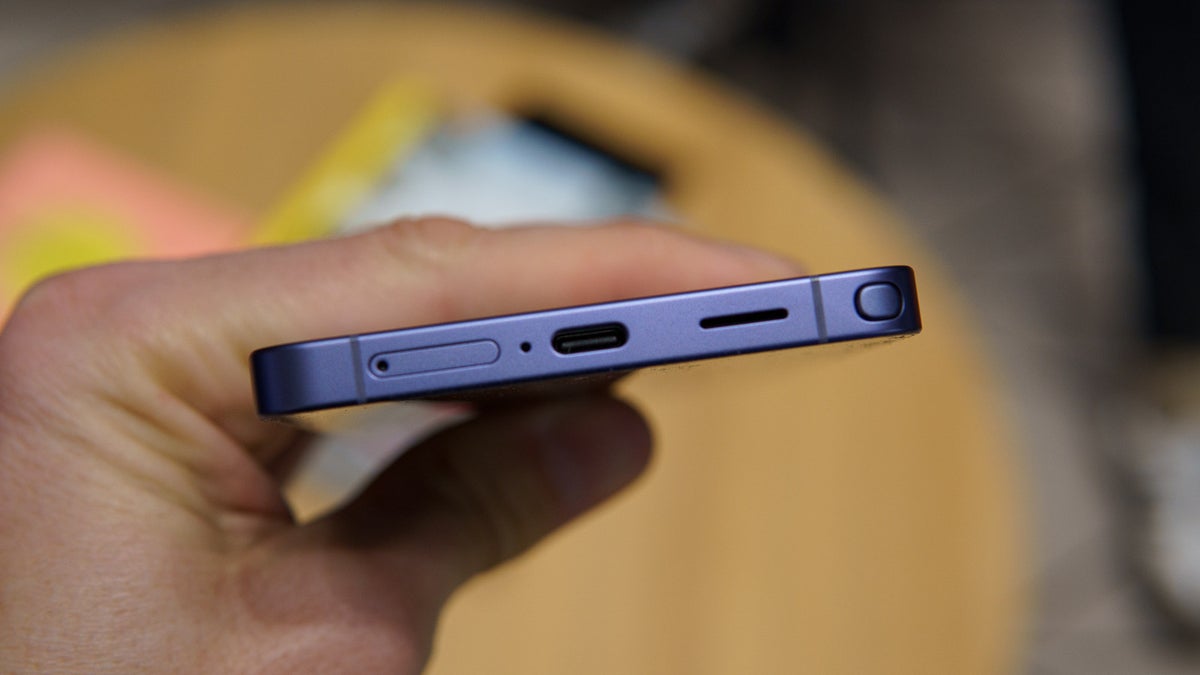
Samsung is reportedly developing a fourth Galaxy S-series model, the Galaxy S27 Pro, expected to be a 6.4-inch compact flagship positioned below the Ultra. The article argues Samsung should avoid over-optimizing for price and instead keep core premium specs intact, with suggested pricing only $50-$70 below the $1,300 Galaxy S26 Ultra. This is opinion-led commentary with limited near-term market impact, but it highlights positioning risk for Samsung's smartphone lineup.
Samsung’s real economic choice here is not “small vs cheap,” it is “halo margin vs volume dilution.” A true compact ultra-premium device would likely carry better gross margin per unit than a price-capped variant because it can reuse top-tier silicon, cameras, and display components while avoiding the ASP drag of a mid-tier compromise; the risk is that the addressable market is niche, so the product matters more as an ecosystem anchor than as a direct earnings driver. The second-order winner is the component stack that can support an uncompromised smaller chassis: advanced OLED, high-density batteries, thermal materials, and camera module suppliers with minimal downsizing penalty.
The market is probably underestimating how damaging a “glorified Plus” would be to Samsung’s premium brand architecture. If Samsung launches a compromised Pro, it risks cannibalizing higher-margin Ultra demand without creating a new reason to upgrade from the Plus, which would flatten mix improvement over 2-4 quarters after launch. That is more relevant to investors than unit volume: premium mix expansion is where Samsung’s mobile P&L can re-rate, while a weak fourth model simply adds complexity and channel inventory risk.
The contrarian view is that affordability is not the issue; segmentation is. If Samsung can hold pricing within a narrow band of the Ultra while preserving core specs, it may actually strengthen pricing power across the lineup by creating a “best fit” choice for affluent small-phone buyers. The downside tail is execution: if cost inflation forces spec cuts in camera, battery, or charging, the new model becomes a margin-neutral distraction and may pressure retailer promotions on the existing Plus. Time horizon is months for launch positioning, but 2-3 quarters for channel and mix effects to show up in consensus estimates.
AI-powered research, real-time alerts, and portfolio analytics for institutional investors.
Request DemoOverall Sentiment
neutral
Sentiment Score
0.10
