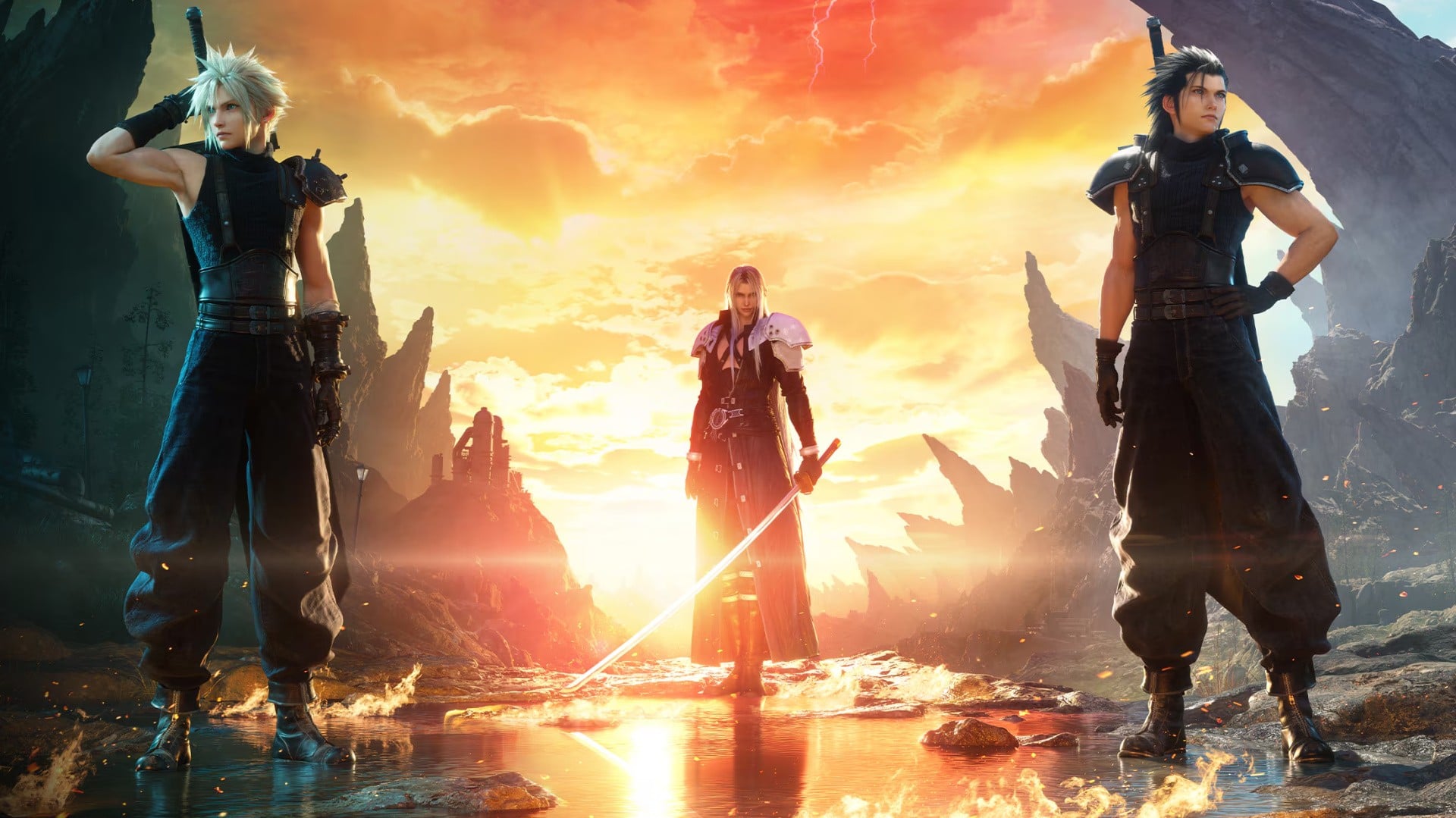
Final Fantasy 7 Rebirth is set to launch on Switch 2 and Xbox Series X/S on 3 June, with Square Enix describing the port as technically viable thanks to mesh shading, DLSS, dynamic resolution, and extensive LOD/background model optimization. The interview highlights successful handling of open-world zones, NPC-heavy cities, and stable 30fps targets in docked and handheld modes. This is a positive sign for the game’s multi-platform expansion, though it is mainly a product and technical update rather than a major market-moving event.
The real signal here is not about a single game port, but about Nvidia’s expanding value capture in next-gen console silicon via software-defined rendering. If a flagship open-world title can be made viable on a constrained handheld by leaning on mesh shading, DLSS, and aggressive pipeline rework, it reinforces the idea that upscaling is no longer a “nice to have” but the gating function for premium content across form factors. That matters because every successful AAA port on Switch 2 validates a broader installed-base expansion for Nvidia’s embedded graphics stack without requiring a raw performance jump.
Second-order, this is a competitive pressure point on AMD and on any console/PC ecosystem that cannot match the same efficiency envelope. The more publishers standardize around meshlets, dynamic resolution, and DLSS-first design, the more the industry’s optimization labor shifts from brute-force rendering to architecture-specific tuning. That tends to lengthen the moat for Nvidia because developers optimize once for a rendering model that scales down well, while rival platforms remain exposed to visual tradeoffs or higher CPU/GPU load.
The contrarian risk is that this is an enablement story, not an immediate monetization spike. The uplift to Nvidia is real but diffuse: it shows up as stronger platform relevance, better developer lock-in, and incremental sentiment rather than a clean near-term EPS revision. The market may already partially discount DLSS adoption in PCs, but handheld-console proof points can extend that multiple support for longer than expected if the port quality holds through launch and reviews.
Key watch item is whether this becomes a template for other third-party AAA releases over the next 3-9 months. If the Switch 2 port performs cleanly, expect more publishers to prioritize Nvidia-friendly rendering paths, which would be a quiet tailwind for GeForce ecosystem share and could pressure AMD’s console narrative at the margin.
AI-powered research, real-time alerts, and portfolio analytics for institutional investors.
Request DemoOverall Sentiment
mildly positive
Sentiment Score
0.35
Ticker Sentiment
