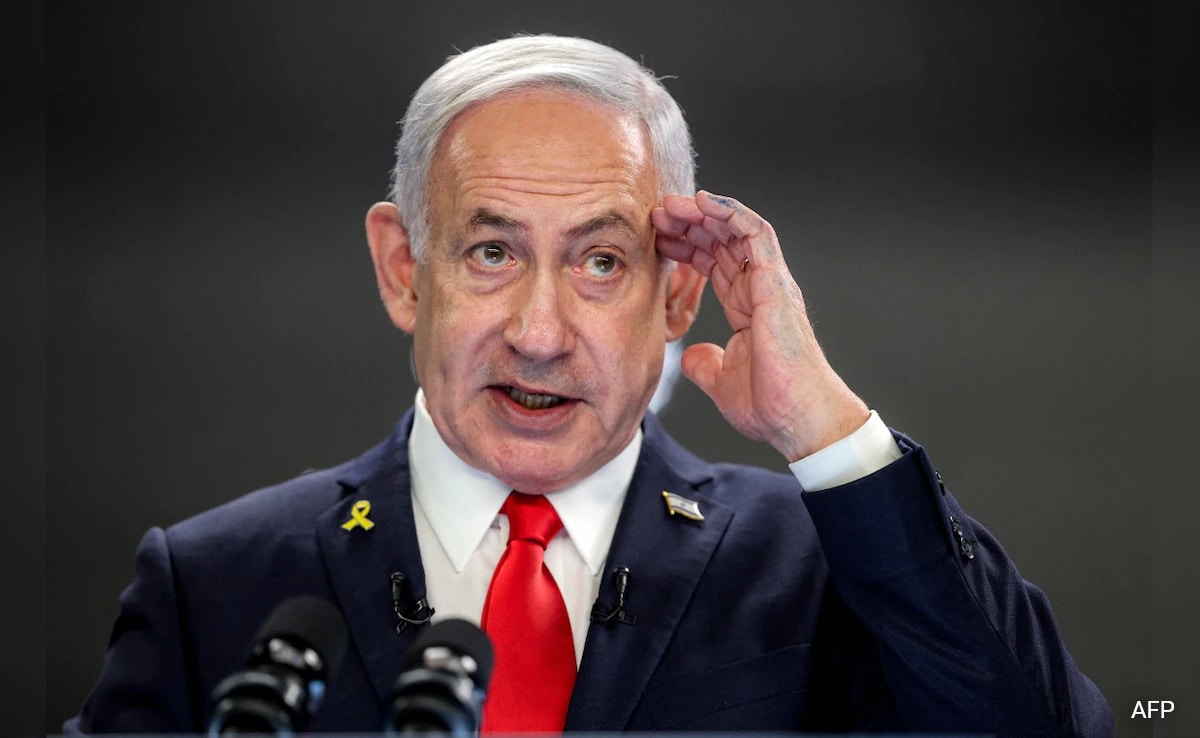
Israel executed an unprecedented airstrike on a Hamas political bureau compound in Doha, Qatar, killing six individuals and significantly disrupting US-backed ceasefire negotiations, drawing sharp condemnation from Qatar, the US, and unified Gulf states. Despite Israel's justification of the attack on terrorism grounds and its failure to eliminate key Hamas leaders, both Qatar and Hamas have signaled a commitment to continuing negotiations. Furthermore, US-Qatar security ties remain robust, suggesting that while regional tensions are heightened, the broader diplomatic and strategic landscape may ultimately revert to pre-strike conditions.
Israel's September 9 airstrike on a Hamas compound in Doha represents a significant escalation in Middle Eastern geopolitical tensions, despite failing to eliminate its primary leadership targets. The attack was unprecedented, targeting a US ally actively mediating a US-backed ceasefire, and it triggered severe diplomatic repercussions, including a suspension of talks by Qatar, a US rebuke, and a rare condemnatory statement from the UN Security Council. Critically, the strike prompted a unified front from Gulf nations in support of Qatar's sovereignty—a stark reversal of the 2017 blockade and a new dynamic in regional politics. While Israel justifies the strike as a counter-terrorism measure, the event highlights the inherent risks of Qatar's foreign policy of engaging with non-state actors while serving as a key international mediator. Despite the initial shock and a 'moderately negative' sentiment signal, indications of resilience are emerging; both Qatar and Hamas have signaled a willingness to continue negotiations, and Qatar has publicly reaffirmed its security partnership with the US, suggesting the immediate crisis may be contained.
AI-powered research, real-time alerts, and portfolio analytics for institutional investors.
Overall Sentiment
moderately negative
Sentiment Score
-0.50
