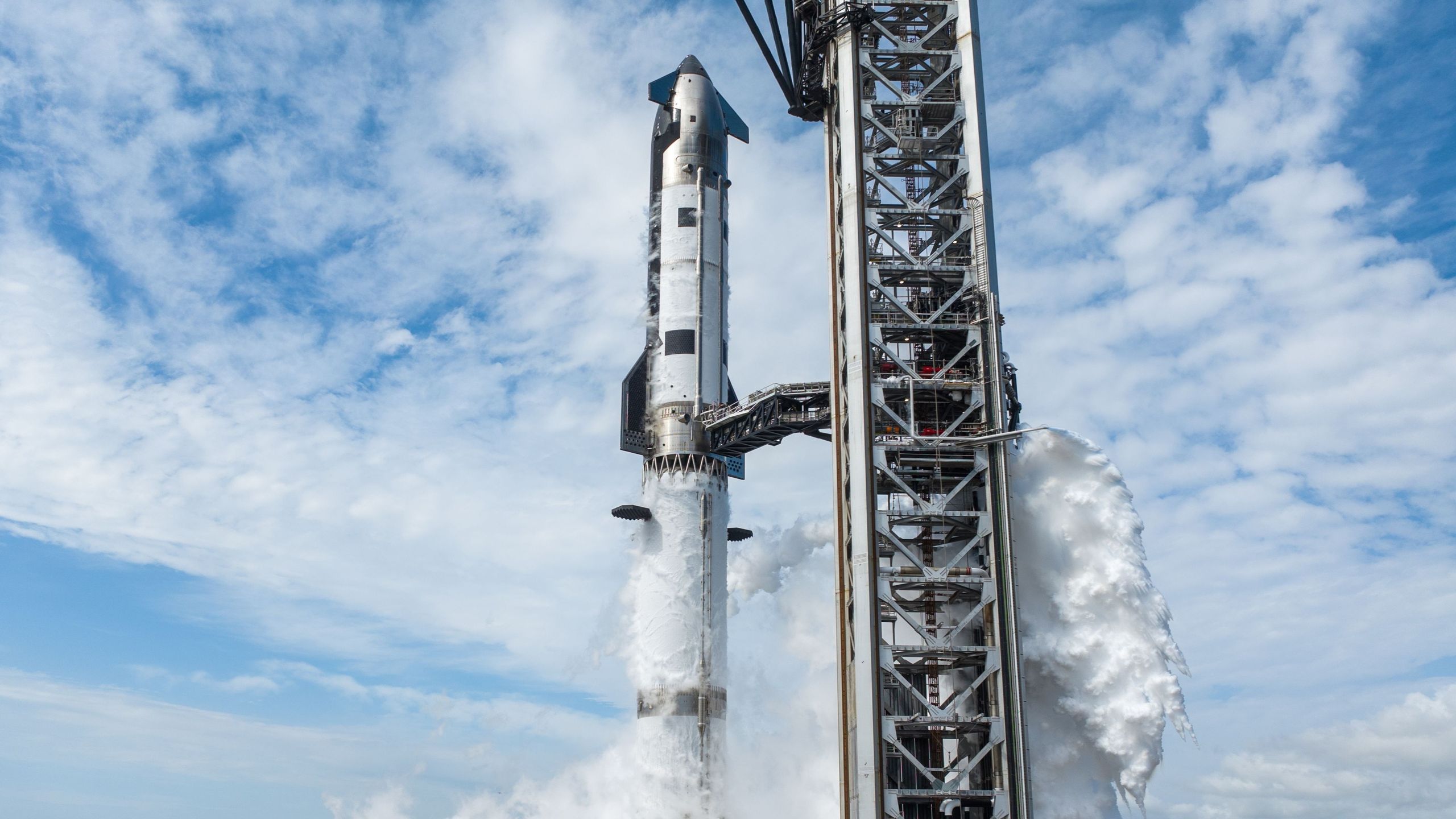
SpaceX is set to launch Starship V3, its 12th test flight and the first for the next-generation vehicle, as early as Tuesday, May 19. The rocket stands 407 feet tall and includes upgrades such as Raptor 3 engines, redesigned propulsion and launchpad systems, plus a new booster fuel transfer tube to support all 33 engines igniting simultaneously. The flight is an important milestone for SpaceX’s Moon and Mars ambitions, but the article is primarily a technical test update rather than a near-term financial catalyst.
This is less a pure launch event than a validation checkpoint for the entire cislunar industrial stack. If the vehicle’s newer propulsion and propellant-handling architecture works as intended, the biggest second-order beneficiary is not the launch provider itself but the ecosystem tied to reusable heavy lift: in-space refueling, satellite servicing, and eventually high-cadence payload deployment. That matters for infrastructure names with exposure to range systems, propellant handling, thermal protection, avionics, and ground-support hardware, where incremental capex can persist even if the test itself is uneventful.
The market is likely underestimating schedule-optionality rather than direct revenue. A successful test does not just reduce technical risk; it compresses the timeline for NASA certification discussions and raises the probability that competing lunar lander architectures get repriced on a winner-take-most basis over the next 6-12 months. Conversely, any anomaly would likely be viewed through a binary lens: not as a one-off launch failure, but as evidence that complexity gains are outrunning manufacturing maturity, which would push funding and award timing further right by at least 1-2 quarters.
The contrarian angle is that a clean flight may be more important for adjacent suppliers than for the headline company, because it validates a design direction that favors more ground infrastructure and higher launch cadence. That can be bullish for companies selling mission assurance, facilities, and integration services even if the launch provider’s own equity remains largely private and inaccessible. On the other hand, competition for lunar lander selection is still a live catalyst, and a successful test could intensify pressure on the rival architecture more than on the incumbent space program timeline itself.
AI-powered research, real-time alerts, and portfolio analytics for institutional investors.
Request DemoOverall Sentiment
neutral
Sentiment Score
0.15
Ticker Sentiment
