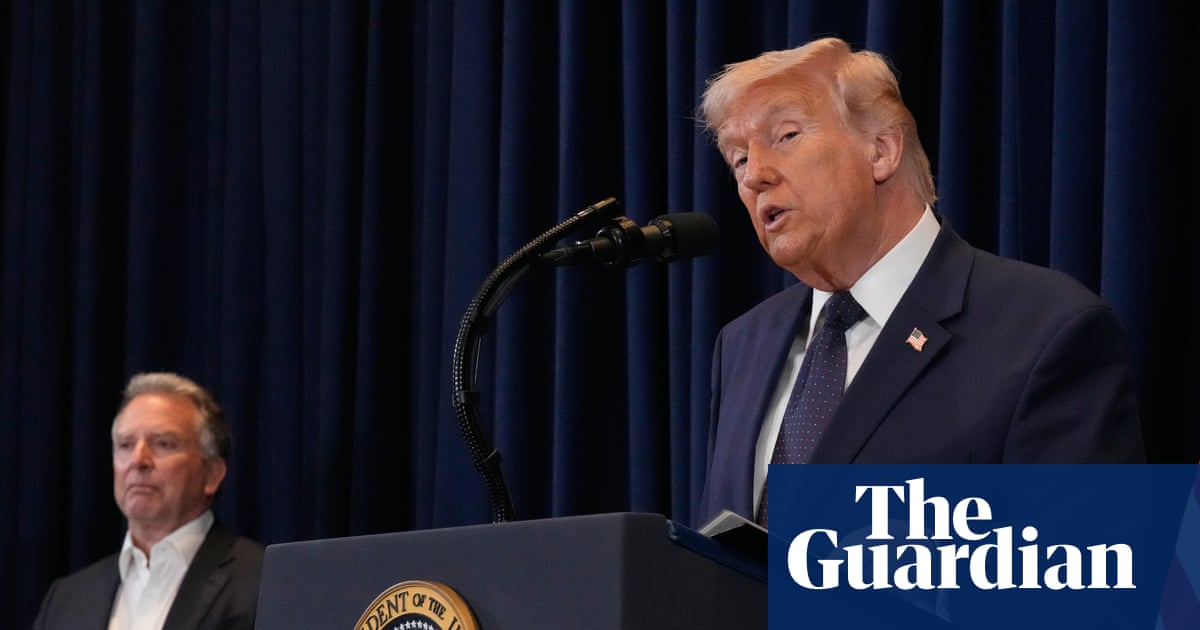
Key event: a US‑Israeli campaign against Iran — described by President Trump as 'very complete' — is raising the economic toll and threatening disruption to global oil flows with risk of broader regional escalation. X said it suspended 800m accounts in 2024 fighting platform manipulation (most active state actors cited: Russia, then Iran and China), highlighting elevated information‑security and state‑actor interference risks. Domestically, Trump renewed pressure to force a vote‑ID Save America Act (House‑passed but unlikely in the Senate), threatening legislative gridlock and adding political uncertainty ahead of midterms; collectively these factors support a risk‑off stance and potential downside pressure on oil and risk assets.
The immediate market reaction is treating the episode as a classic short-duration geopolitical shock with asymmetric winners: asset owners of marginal barrels and firms that underwrite risk (reinsurers, war-risk insurers) capture outsized cashflow if transit disruptions persist, while global supply-chain-dependent sectors (airlines, container shipping logistics) see margin squeeze from higher fuel and insurance costs. A less-visible channel is defense-capex reallocation: sustained regional instability elevates multi-year procurement and R&D budgets, not just spot-order flows, shifting returns toward prime contractors and systems integrators with backlog visibility.
Cyber and platform governance are second-order winners as states respond to manipulative campaigns — expect durable increases in enterprise cybersecurity budgets and higher compliance/legal spend for large social platforms; software suites that combine M&A-grade telemetry + rapid policy controls will compound growth. Financially, energy microstructure matters: if shipping insurance and rerouting add even $1–3/bbl implicit premium, Permian and shale players with low lifting costs convert that into rapid FCF, but integrated majors with fixed refining spreads capture less incremental margin.
Key risks and catalysts: a diplomatic ceasefire or a coordinated SPR release would compress risk premia in days-weeks; conversely, escalation involving chokepoint attacks or explicit targeting of merchant marine could sustain premiums for months and force broader supply re-allocation. Consensus underestimates the duration risk of proliferation: elevated regional tensions materially increase probability of sustained defense spending and of permanent shipping lane insurance regime changes, which favors long-duration exposures in defense and midstream rather than short commodity punts.
AI-powered research, real-time alerts, and portfolio analytics for institutional investors.
Request DemoOverall Sentiment
mildly negative
Sentiment Score
-0.35
