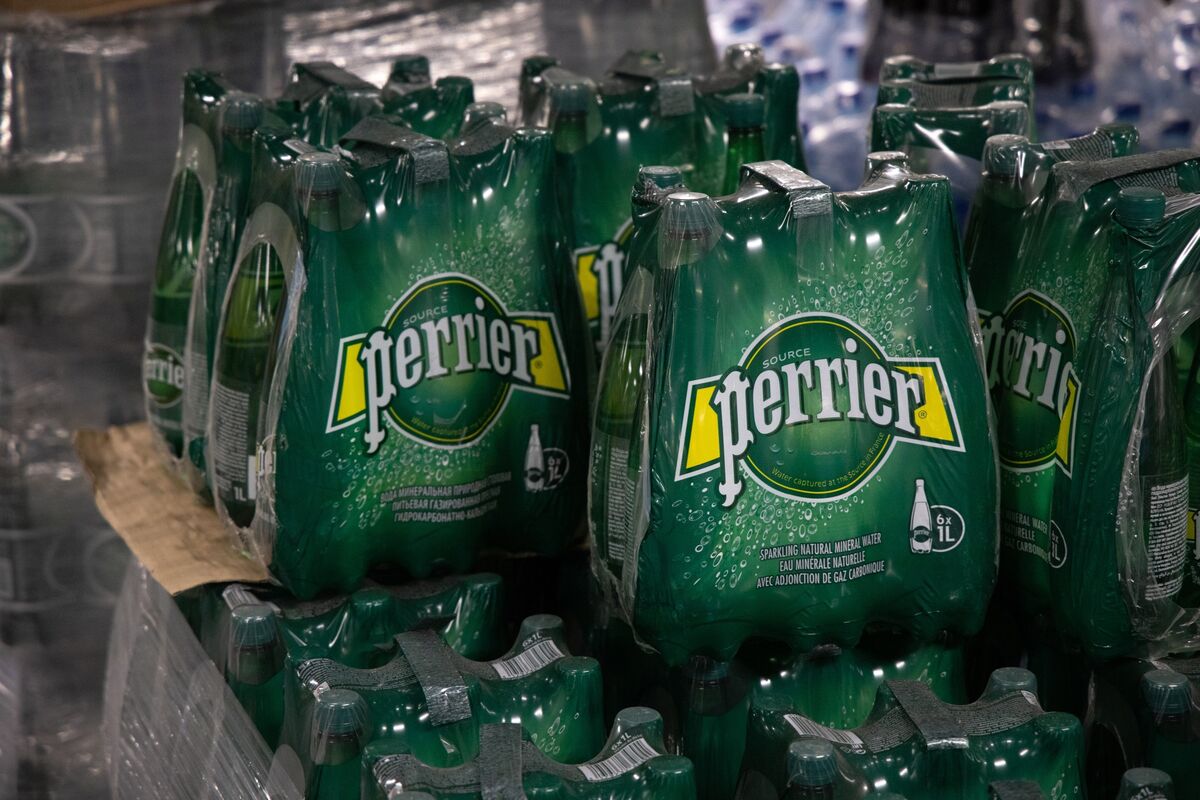
Platinum Equity is now the sole remaining bidder for a 50% stake in Nestle SA’s water unit after Clayton Dubilier & Rice withdrew from the process. The business includes Perrier and S.Pellegrino, and Platinum is negotiating final terms of the transaction. The development supports deal certainty, though the article does not disclose valuation or pricing terms.
This is less about a single asset sale and more about the endgame for a carve-out with optionality. A sole-bidder dynamic usually shifts value from the seller to the buyer because the remaining purchaser can press for working-capital adjustments, indemnity caps, and transitional service terms that effectively haircut headline price; the market should expect the initial chatter around valuation to prove more fragile than the closing economics. For Nestlé, the strategic benefit is balance-sheet simplification, but the more important second-order effect is that a cleaner exit reduces managerial distraction and may improve capital discipline around the remaining water portfolio.
The bigger competitive read-through is for premium water and adjacent packaged beverages. A leveraged sponsor owner is likely to prioritize cash conversion over growth, which can mean tighter SKU rationalization, slower marketing, and less aggressive capacity investment over the first 12-24 months. That creates a window for larger incumbents with stronger distribution to defend or steal shelf space, especially in premium channels where brand equity matters but route-to-market execution is decisive.
The contrarian risk is that the market may overinterpret sponsor ownership as inherently negative for the asset; in premium consumer categories, private equity can also be a disciplined operator if regulatory and environmental liabilities are ring-fenced cleanly. The real swing factor is not branding but water-source permitting and environmental scrutiny, which can create hidden capex and legal costs over a multi-year horizon. If diligence surfaces legacy remediation obligations, the buyer may push for price concessions, and a deal failure would likely pressure sentiment across large-cap consumer staples less than it would for the sponsor ecosystem.
For investors, the cleanest expression is to look for a relative-value setup in European beverage incumbents versus premium water suppliers, with a 3-6 month horizon as the deal process clarifies. The opportunity is asymmetrical if the transaction closes at a weaker-than-expected multiple, because that would validate a lower comp set for the category without meaningfully impairing the seller’s core business.
AI-powered research, real-time alerts, and portfolio analytics for institutional investors.
Request DemoOverall Sentiment
mildly positive
Sentiment Score
0.18
