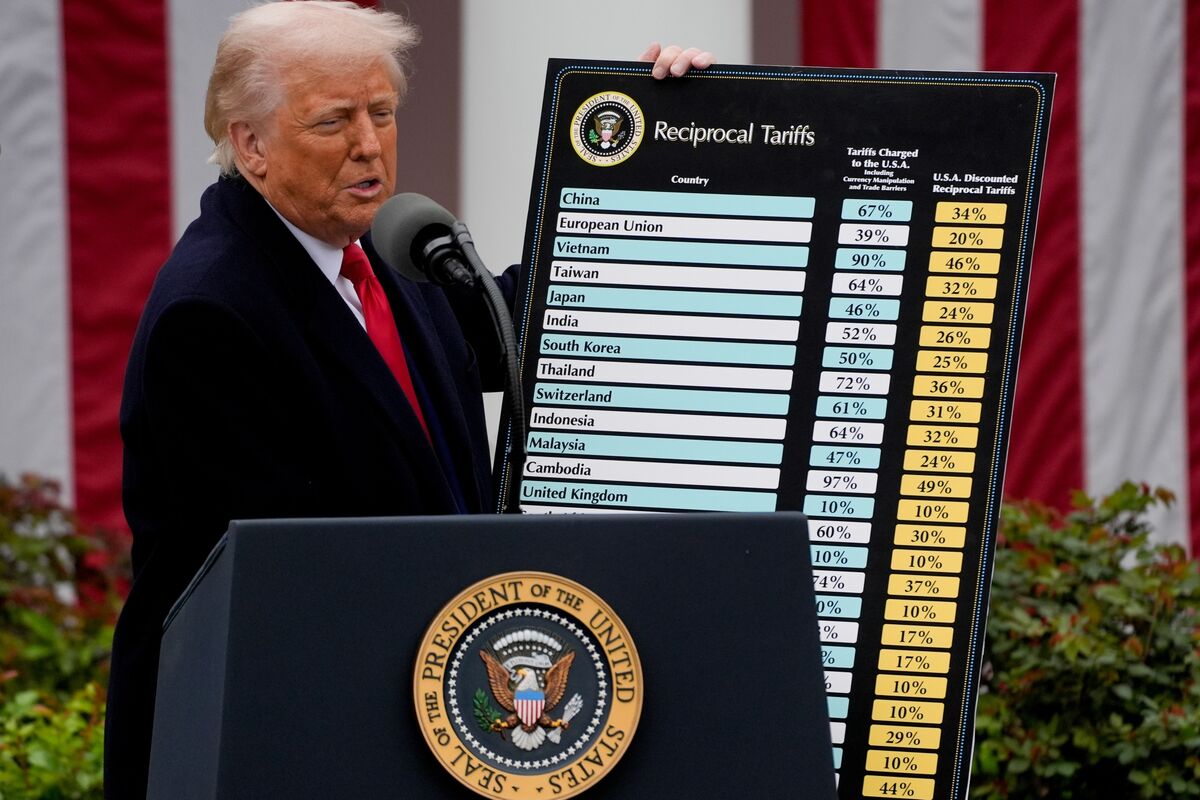
The Trump administration is urging the Supreme Court to reject an expedited review of challenges to its tariff policies, arguing that lower courts should be given more time to consider the matter. This request comes in response to two family-owned businesses seeking a fast-track Supreme Court review, bypassing the federal appeals court, with a decision requested before the summer recess.
The Trump administration has formally requested the US Supreme Court to decline an expedited review of its tariff policies, arguing for the necessity of allowing lower courts additional time for consideration. This stance directly counters a plea from two family-owned businesses that sought a fast-track Supreme Court hearing on their tariff challenge, hoping for a decision before the court's summer recess and bypassing a federal appeals court ruling. The administration's filing effectively prolongs the legal uncertainty surrounding the tariffs, which carries a "mildly negative" sentiment signal. While the immediate market impact score of 0.35 suggests this specific procedural development is not a major market-moving event on its own, it underscores the ongoing legal and political contention surrounding trade policy and tariffs, maintaining an environment of unpredictability for businesses and investors exposed to international trade dynamics.
AI-powered research, real-time alerts, and portfolio analytics for institutional investors.
Request DemoOverall Sentiment
mildly negative
Sentiment Score
-0.30
