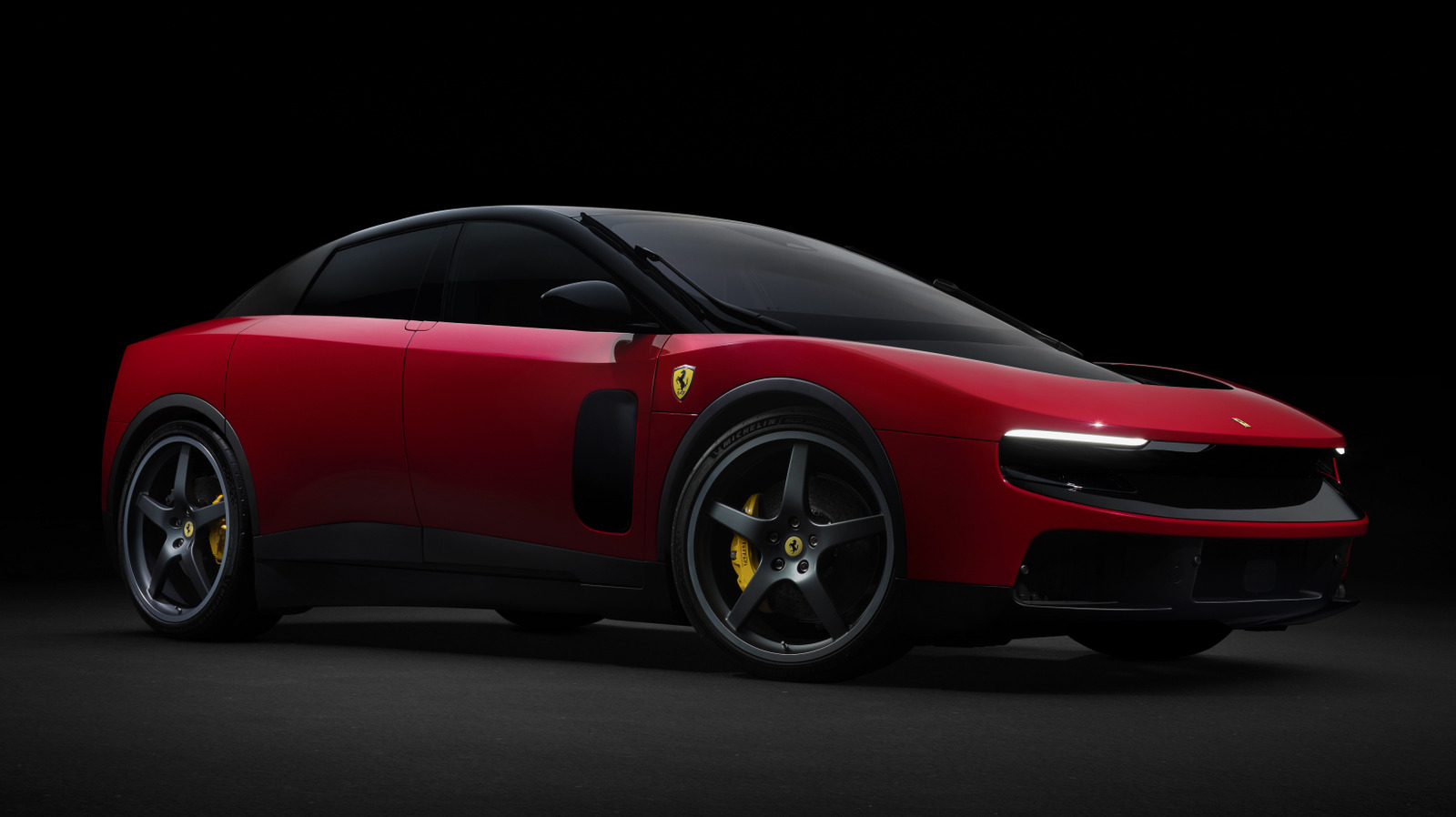
Ferrari's new $640,000 Luce EV is being widely criticized for its design, with the article calling it an overly round and divisive Ferrari that has drawn heavy meme-driven backlash. Ferrari says the Luce has a 330-mile WLTP range and 1,035 hp, but the piece argues those specs are less important to its wealthy repeat buyers than the brand value and access to future hypercars. The launch is unlikely to materially move Ferrari's stock, but it reinforces the reputational risk around the brand's first EV.
The market is likely over-reading the aesthetic backlash and under-reading the signaling value. For a luxury OEM, the first EV is less a volume product than a category-defining option premium: it broadens the addressable customer base, protects cultural relevance, and gives Ferrari another reason for repeat buyers to stay inside the ecosystem. The real economic lever is not near-term unit sales but the ability to preserve pricing power across the lineup by proving the brand can participate in EV status competition without collapsing its margin structure.
Second-order, the launch pressures other ultra-luxury marques to accelerate electrification even if their core clientele is indifferent to range. That raises design, battery sourcing, and software execution risk across the segment, but it also increases switching costs: customers who want the badge plus the tech story will increasingly compare against Aston Martin, Lamborghini, and Bentley on delivery cadence and dealer allocation, not drivetrain purity. The bigger supply-chain beneficiary is likely the premium battery and power-electronics stack, where bespoke low-volume demand can support better ASPs than mass-market EVs.
The key risk is timing: backlash can matter for 1-3 months in sentiment-driven positioning, but Ferrari’s demand engine is a multi-quarter allocation game. If early order data or waiting lists disappoint, the stock can de-rate on the view that the brand is stretching into a category where it lacks execution advantage. Conversely, a stable order book would quickly mute the controversy; in luxury, scarcity and access usually beat product criticism within one reporting cycle.
The contrarian read is that the market may be too focused on whether this is a good EV and not enough on whether it is a good Ferrari. If the company converts the launch into incremental client acquisition and future hypercar access, the EV functions as a customer relationship tool with option value, not a standalone car. That makes the downside in fundamentals more limited than the headline tone suggests, while the upside from brand monetization is deferred but potentially meaningful over the next 12-24 months.
AI-powered research, real-time alerts, and portfolio analytics for institutional investors.
Request DemoOverall Sentiment
mildly negative
Sentiment Score
-0.15
Ticker Sentiment
