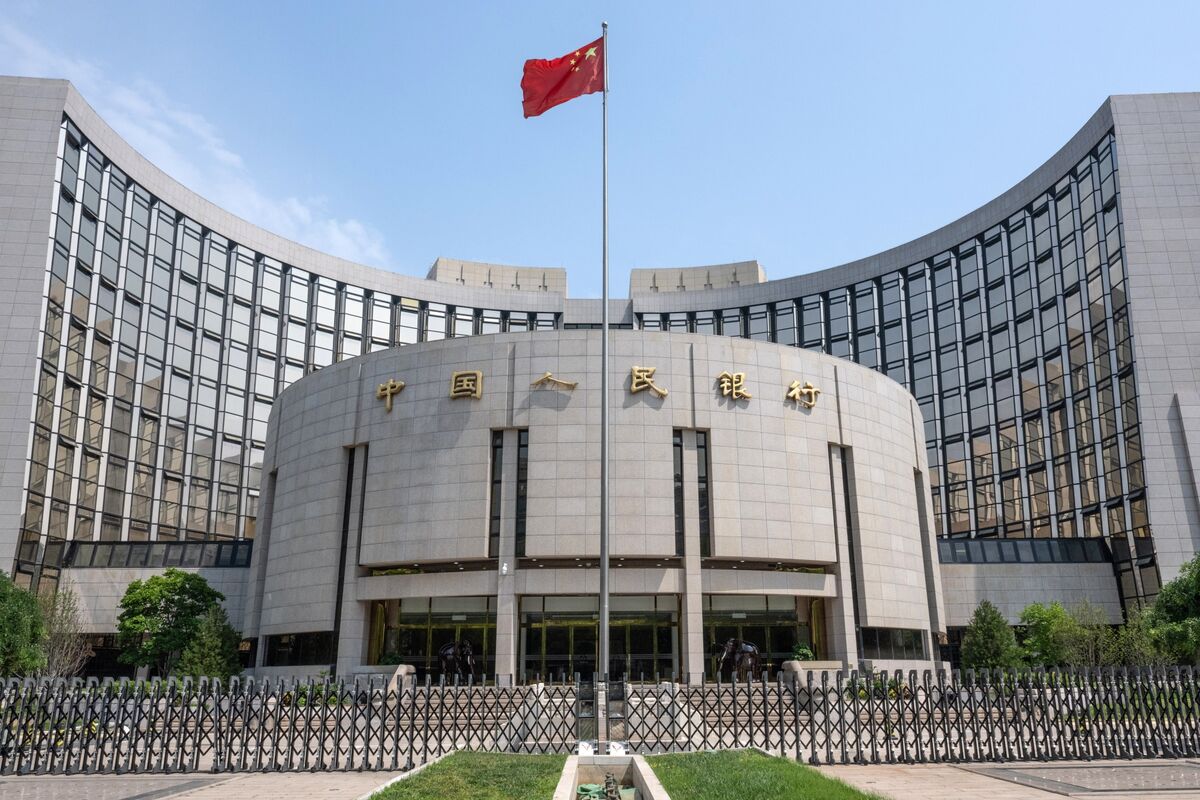
Chinese onshore equities and government debt have decoupled for the first time since 2022: the Shanghai Composite is down roughly 2% in November while China’s 10-year bond futures have been largely unchanged this month. The lack of safe-haven demand amid equity weakness reflects shifting expectations around PBOC easing and implies that monetary-policy bets, rather than traditional flight-to-quality flows, are driving positioning — a development that may complicate cross-asset hedging and portfolio allocation into Chinese rates and stocks.
Market structure: The decoupling means onshore sovereign bonds (CN10Y) are no longer acting as a flight-to-quality hedge for A‑shares (000001.SS/ASHR). Winners are short-duration cash and FX carry (benefiting if yields stay anchored); losers are long-duration China sovereign bulls and equity-focused risk funds that assumed negative correlation. Cross-asset effects: muted bond response reduces implied vol in CGB futures while leaving equity vols elevated and increasing sensitivity in USDCNH (a weaker hedge if PBOC does not ease).
Risk assessment: Tail risks include a sudden PBOC easing (RRR/LPR cut) that would re-couple equities and bonds, a permissive capital outflow episode forcing CNH weakness, or a large property default that re-prices credit; each could move CN10Y ±30–50bps and USDCNH ±300–500 pips in 1–4 weeks. Immediate (days) risk is volatility in A‑shares; short-term (weeks/months) is policy surprise; long-term (quarters) is structural demand destruction for onshore bonds if allocation patterns change. Hidden dependencies: interbank liquidity operations, northbound/southbound flows and FX reserve trajectory can rapidly flip correlations.
Trade implications: Avoid outright long-duration CN10Y exposure; favor short-duration CNY paper and selective credit picks. Tactical plays: short A‑share beta (ASHR/KWEB) and hedge with offshore defensive exposure (2800.HK/2800 or FXI) while buying USD/CNH optionality for FX tail risk. Use options to cap downside: 3‑month put spreads on ASHR and 3‑month USDCNH call options as asymmetric insurance.
Contrarian angles: Consensus assumes sustained decoupling; history (2015/2018) shows policy can re-couple markets quickly and cause a snap move in bonds. The market may be underpricing a rapid bond rally if PBOC re-asserts easing; crowded short-duration or low-duration positioning could trigger a sharp squeeze. Trade with explicit stop/triggers tied to PBOC actions and CN10Y moves.
AI-powered research, real-time alerts, and portfolio analytics for institutional investors.
Request DemoOverall Sentiment
mildly negative
Sentiment Score
-0.25
