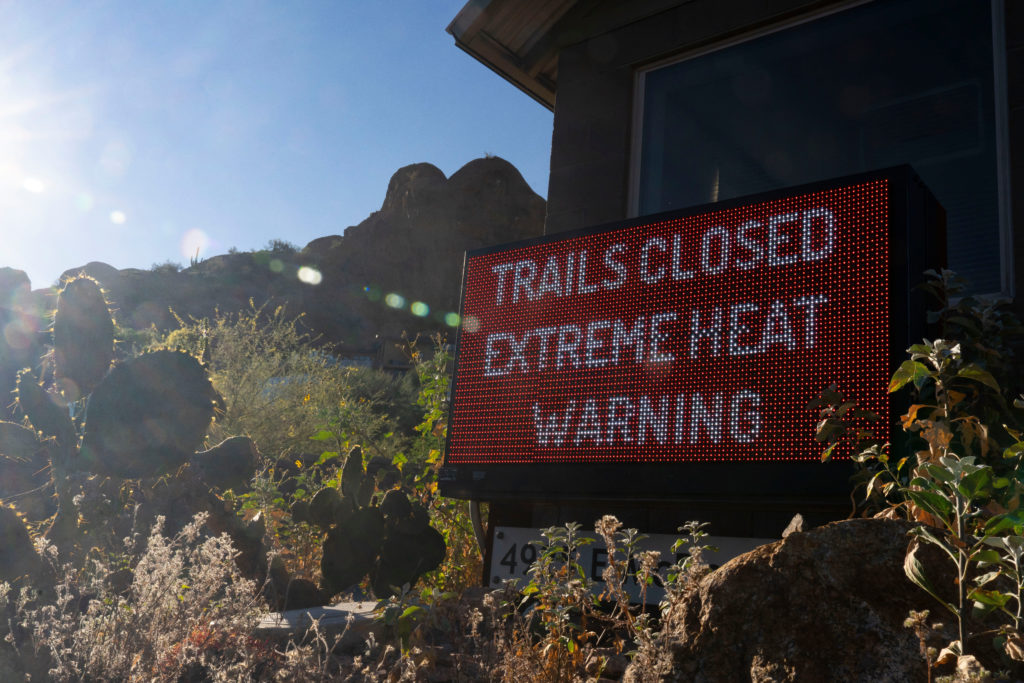
A 110°F (43.3°C) reading in the Arizona desert shattered the U.S. March temperature record; World Weather Attribution says March 2026 heat would have been 'virtually impossible' without human-caused warming and estimates an added 4.7–7.2°F (2.6–4°C) from fossil-fuel-driven warming. NOAA data cited shows the U.S. is now breaking 77% more hot-weather records than in the 1970s and the area affected by extreme weather has doubled versus 20 years ago, heightening medium-term risks to insurers, utilities, agriculture and infrastructure rather than posing an immediate market-wide shock.
This heat shock accelerates demand-side and insurance-side repricing rather than creating a new structural thesis: near-term spikes in cooling load and grid stress (days–months) will lift summer gas burns and merchant capacity value, while repeated out-of-season extremes force insurers and municipal issuers to reprice multi-year risk pools. Supply-chain secondaries include HVAC OEMs, battery/storage OEMs and T&D equipment suppliers seeing pulled-forward spending, and building-materials/roofing repair flows concentrated in regionally exposed contractors.
Tail risks cluster around cascading infrastructure failures: a multi-day grid outage in high-load conditions would amplify claims, trigger emergency gas burnbacks and force regulators to accelerate capacity payments — a 1–3 month catalyst window. Over 1–3 years, expect accelerated capex for resilience (microgrids, storage, hardened transmission) funded by utilities and federal grants; credit stress in fire/flood-prone municipalities is a 2–5 year risk as insurers reduce capacity.
Tradeable asymmetries favor firms that monetize resilience (storage + T&D) and appliance demand, while selective reinsurers that have already raised rates can crystalize profit if 2026 catastrophe losses stay within modeled bounds. Conversely, regional insurers/munis and unhedged merchant generators carry convex downside if extremes cluster.
Consensus omission: markets often lump all insurers and utilities together; the differentiated exposure to wildfire/liability and regulated vs. merchant revenue streams matters more than aggregate headlines. Positioning should be dynamic — play near-term seasonal gas/grid moves and mid-term structural resilience spend, but size for fat-tail event risk.
AI-powered research, real-time alerts, and portfolio analytics for institutional investors.
Request DemoOverall Sentiment
mildly negative
Sentiment Score
-0.20
