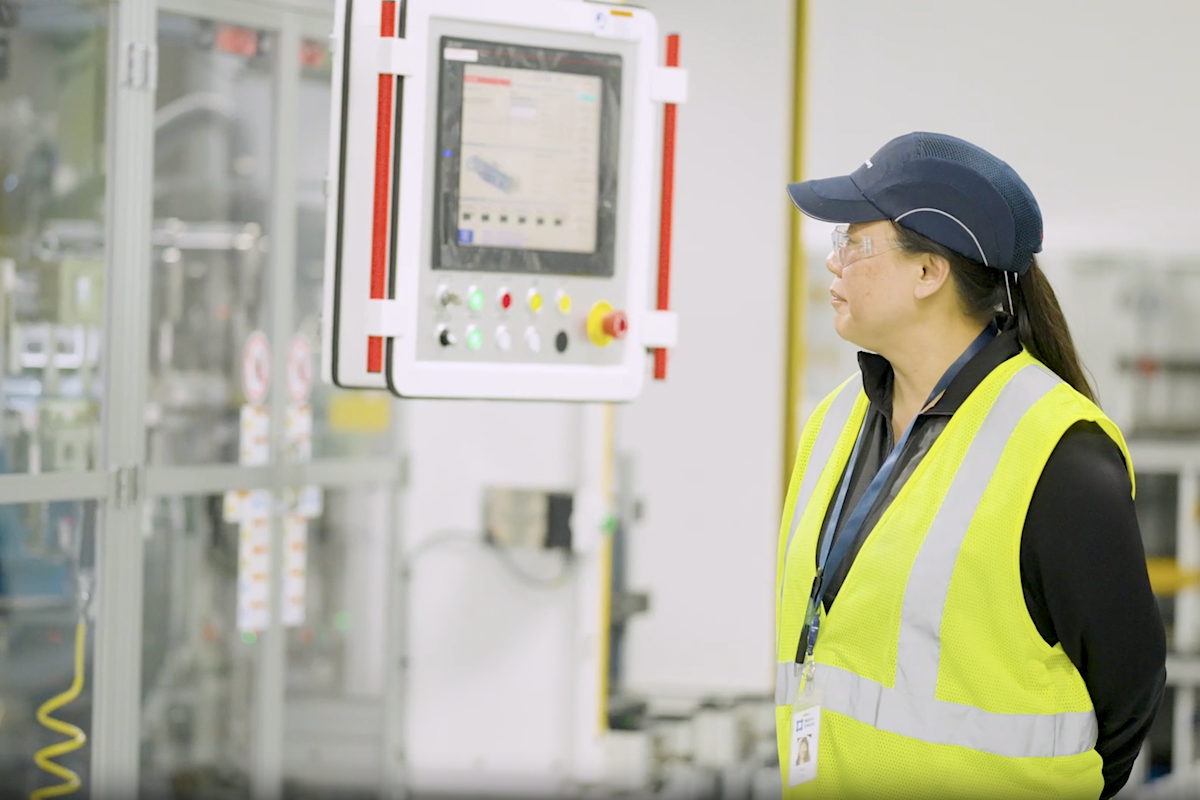
U.S. clean-tech manufacturing has seen a sharp pullback after the Trump administration reduced federal support: analysts report $37 billion of “slowed” investment and at least 51 large projects abandoned through November (up from 14 canceled in 2024 and nine in 2023), mostly manufacturing. E2 estimates cancellations have cost more than 29,000 jobs (about 22,000 in Republican districts), with companies citing cuts to loans, grants and tax incentives, weaker emissions rules and higher tariffs — and BloombergNEF finds capital being reallocated to the E.U., signaling a material regional shift in clean-energy investment.
Market structure: The immediate winners are non‑U.S. clean‑tech manufacturers and European utilities/renewables (they capture reallocated $37B+ of slowed U.S. capex); clear losers are U.S. domestic clean‑tech manufacturers, local contractors, and Republican‑district muni economies (≈29k jobs lost, ~22k in GOP districts). Competitive dynamics will shift pricing power to EU/Asian OEMs over 6–24 months as capital follows subsidies, compressing margins for U.S. firms and raising import dependence for U.S. projects. Risk assessment: Tail risks include an escalation to blanket export controls or new tariffs (high impact, <12 months) and a rapid policy reversal if Democrats regain control (medium probability, 12–24 months) which would re‑price stranded assets. Short term (days–weeks) expect sentiment selling and guidance cuts; medium term (3–12 months) expect downgrades to U.S. capex; long term (1–3 years) expect supply chains to re‑orient to Europe/Asia, potentially creating scarcity premia for remaining U.S. manufacturers. Trade implications: Tactical trades should short U.S. clean‑manufacturing exposure and buy Europe/utility exposure and select miners: e.g., short TAN or FSLR puts (3–6 month horizon) and long ENLAY/ORSTED (6–18 months); use 3–6 month put spreads to limit cost. Rotate away from fragmented U.S. OEMs into large integrated energy majors (XOM, CVX) and EU utilities for defensive yield and policy resilience. Contrarian angles: Consensus underestimates state incentives and corporate ability to switch to nonfederal subsidies — some U.S. names with strong balance sheets (ENPH, SEDG) may be oversold short term. The reaction could be overdone if states/companies bridge gaps; conversely, underinvestment now could create 2026–28 scarcity and outsized returns for surviving U.S. manufacturers, so look for structural survivors with >$500M backlog before adding long positions.
AI-powered research, real-time alerts, and portfolio analytics for institutional investors.
Request DemoOverall Sentiment
strongly negative
Sentiment Score
-0.65
