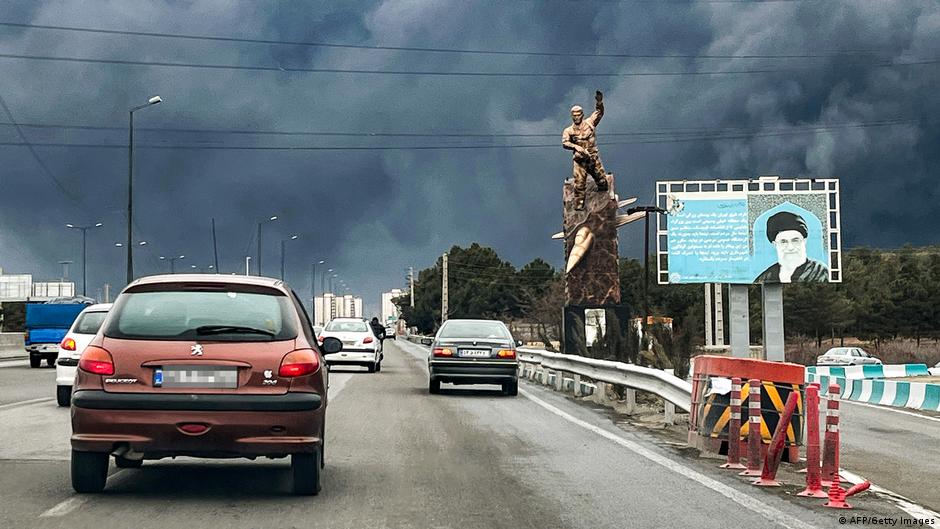
Brent crude jumped ~23% to $114/bbl and WTI rose ~25% to about $114/bbl as the US-Israel war with Iran intensified, marking the highest oil levels since early 2022. Israel launched additional strikes inside central Iran while Tehran continued missile and drone attacks across Gulf states, disrupting Gulf oil and gas production and halting much shipping through the Strait of Hormuz (roughly 15m bpd transited pre-war). Regional escalation — including dozens wounded in Bahrain and the appointment of Mojtaba Khamenei as Iran's new supreme leader — materially raises geopolitical tail risk for energy, supply chains and global inflation expectations.
The immediate market move is liquidity- and route-driven, not purely demand-driven: insurance premia, longer voyage miles and refinery feedstock re-routing are compounding costs into crude and product prices independent of physical barrels lost. Expect Brent/WTI volatility to remain elevated for days-to-weeks while shipping lines reconfigure schedules — knock-on effects hit refining and petrochemical crack spreads unevenly across regions as heavier crudes become harder to supply to Atlantic refineries.
Second-order winners will include assets that monetize volatility in transport and risk — marine insurers/reinsurers, bunker fuel suppliers, and select short-sea transshipment hubs that pick up displaced flows. Losers are not just Gulf upstream cashflows but also integrated supply chains: nitrogen fertilizer producers (gas feedstock exposure), regional aviation and air freight carriers, and any manufacturing reliant on JIT MENA-sourced intermediates; expect margin pressure to emerge over 1–3 quarters.
Key catalysts that will define whether prices mean-revert or break higher are binary and time-boxed: (1) maritime chokepoint reopenings or verified safe corridors (days–weeks), (2) credible diplomatic backchannels or OPEC+ production adjustments (weeks–months), and (3) targeted strikes on major export terminals or pipeline infrastructure (immediate to multi-week) which would structurally lift a new risk premium. The asymmetric risk is skewed to higher oil and insurance costs, but a coordinated SPR release + rapid diplomatic channels can compress volatility within 30–60 days.
Consensus is treating this as a pure oil shock; it underestimates the speed at which freight and insurance repricing flow into real-economy margins and corporate earnings. Positioning that hedges transport/insurance exposure while keeping directional crude upside optionality is the more efficient play than naked long upstream equities.
AI-powered research, real-time alerts, and portfolio analytics for institutional investors.
Request DemoOverall Sentiment
strongly negative
Sentiment Score
-0.72
