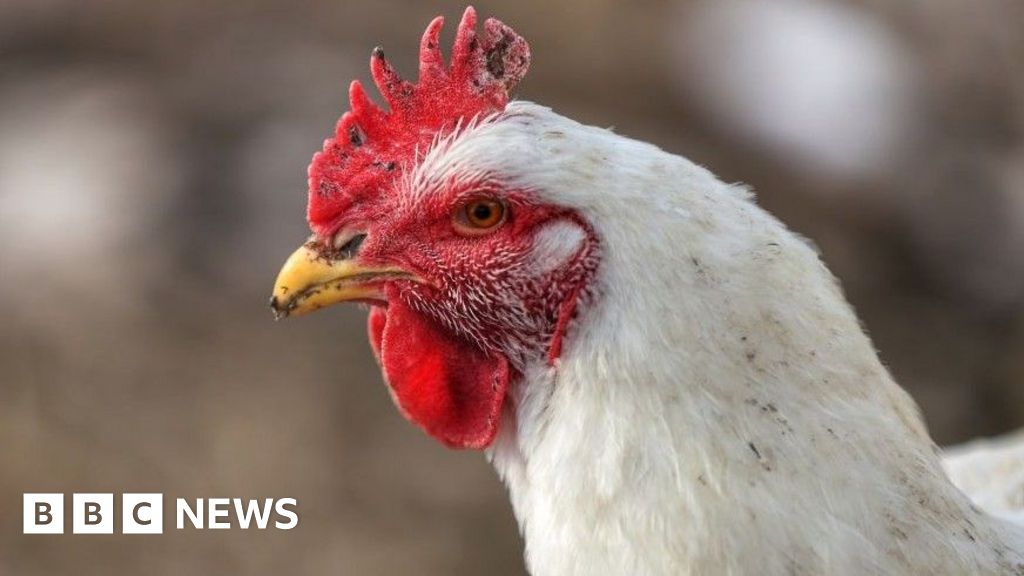
A new peer‑reviewed simulation by Indian researchers using the BharatSim platform models H5N1 spillover in Namakkal, Tamil Nadu, and finds a narrow containment window: quarantining households when two cases are detected can almost certainly contain spread, whereas by ten detected cases sustained community transmission is likely. WHO data cited: 990 human H5N1 cases and 475 deaths (48% fatality) through August 2025; in the US the virus has affected over 180 million birds and infected at least 70 people. The study shows culling only prevents risk if done pre‑spillover, targeted vaccination raises transmission thresholds but doesn't protect households, and model limitations (single synthetic village, no migratory seeding, behavioural shifts) mean real‑world outcomes remain uncertain — implications material for poultry supply, vaccine and antiviral demand, and regional public‑health policy response.
Market structure: Immediate winners are diagnostics, vaccine and antiviral suppliers (e.g., ABT, TMO, SNY, GSK, CSL.AX) because governments will accelerate testing and stockpiling once spillovers occur; losers are vertically integrated poultry producers and retailers (TSN, PPC, BRFS) facing culling, supply loss and reputational pressure. Pricing power shifts to large-scale vaccine manufacturers and contract vaccine makers that can fulfil rapid government orders; small regional poultry players will face margin collapse and potential forced sales. The model’s 2–10 detected case threshold implies policy action windows measured in days not months — expect market reactions within 48–120 hours of news about human transmission.
Risk assessment: Tail risk is a sustained human-to-human H5N1 wave that forces mass workplace/school closures, causing a >=10% drawdown in risk assets and commodity/food supply shocks; low-probability but high-impact events should be priced into 3–12 month scenarios. Hidden dependencies: feed grain demand (soy/corn) could fall if poultry culling is large (up to 10–20% of national flock), pressuring agricultural names; conversely meat substitution can lift beef/pork margins. Key catalysts are WHO declarations, government vaccine procurement (>10m dose contracts) and confirmed tertiary community transmission; these will move spreads, CDS and equity vols.
Trade implications: Direct plays: size 1–3% tactical longs in diagnostics (ABT, TMO) and vaccine leaders (SNY, GSK) with a 3–9 month horizon; short 1–2% positions in TSN/PPC for immediate inventory and margin shock over next 1–3 quarters. Options: buy 3-month ABT or TMO 5–10% OTM calls (small notional) to capture volatility spikes on contract news; buy 2–4 week puts on TSN to hedge acute downside around culling announcements. Rotate from consumer discretionary/airlines into healthcare/defense contractors if confirmed human spread occurs.
Contrarian angles: Consensus underestimates the speed of policy response — once >2 local cases are public markets will reflexively bid diagnostics/vaccine makers; that may be underdone in small-cap vaccine contractors but overdone in large pharma already priced for pandemic premiums. Historical parallels: 2009 H1N1 showed vaccine manufacturing scale matters more than clinical novelty — prefer manufacturers with fill-finish capacity (CSL, SNY) over novel-platform names. Unintended consequence: aggressive early quarantine can amplify household transmission and depress short-term demand, hurting grocers/retail more than large meat processors that can pivot distribution — avoid blanket shorts on all food names.
AI-powered research, real-time alerts, and portfolio analytics for institutional investors.
Request DemoOverall Sentiment
moderately negative
Sentiment Score
-0.28
