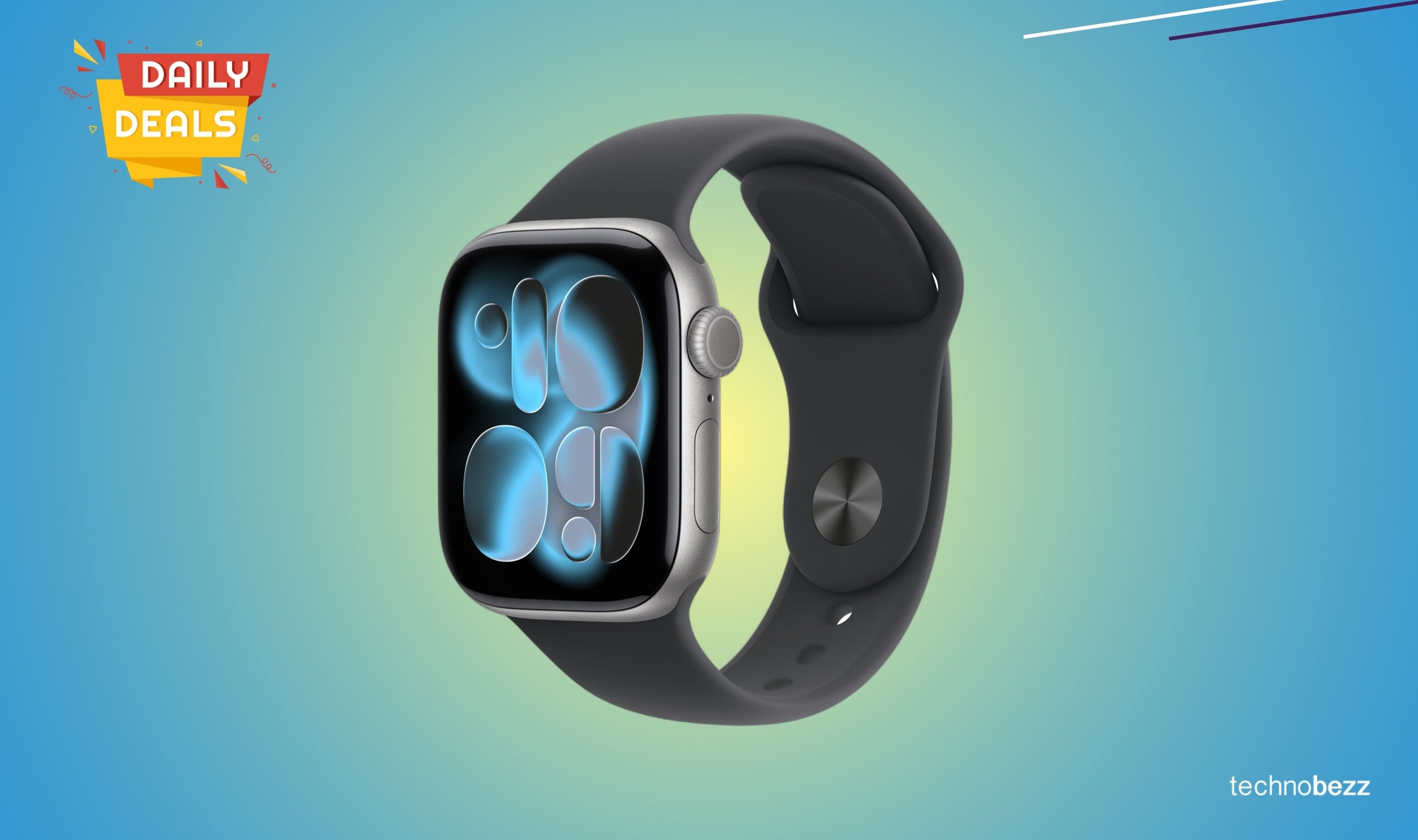
Apple Watch Series 11 GPS 42mm drops to $299, a $35.68 discount or 11% off, and sits below its 30-day average of $334.68 and 90-day average of $377. The deal highlights Apple’s premium health-tracking features, including hypertension notifications, ECG, sleep score tracking, and three months of Apple Fitness+. The article is promotional and likely to have limited market impact, but it modestly supports consumer interest in the product line.
This is less about one discounted SKU and more about Apple using pricing to widen the attach-rate on its health ecosystem ahead of the next upgrade cycle. A sub-$300 entry point on the core GPS model should help pull forward fence-sitters who were waiting for a clearer value proposition versus older Watches, which matters because wearables are one of the few Apple hardware categories where feature differentiation can still expand wallet share rather than just replace units. The second-order read-through is mixed for the supply chain. If this price is being pushed by channel inventory management rather than pure promotion, it suggests retailers are comfortable clearing current-generation stock before the next refresh, which can create near-term volume support but pressure average selling prices. That’s mildly positive for unit velocity, but it can cap gross margin uplift if the mix shifts toward more promotional demand rather than full-price buyers. Competitive pressure is more on Android wearables and fitness bands than on premium phone OEMs. Apple’s health-data moat gets stronger when the entry price drops, because recurring engagement through fitness, sleep, and health alerts makes switching costs more behavioral than hardware-based. The bigger strategic implication is that Apple can defend ecosystem stickiness even in a softer consumer spending environment by monetizing services and health engagement after the initial device sale. The contrarian risk is that the market may already be too focused on unit lift and underestimating cannibalization: a discounted current-gen model can pull demand forward from the next launch, muting upside in the following quarter. If macro weakens or a newer model lands with a meaningful feature jump, this promotion becomes a margin-preservation tactic rather than a demand signal. The opportunity window is short: days to weeks for retailers, but the valuation impact to AAPL should be read over months as an ecosystem retention lever rather than a catalyst for near-term earnings beats.
AI-powered research, real-time alerts, and portfolio analytics for institutional investors.
Request DemoOverall Sentiment
mildly positive
Sentiment Score
0.25
Ticker Sentiment
