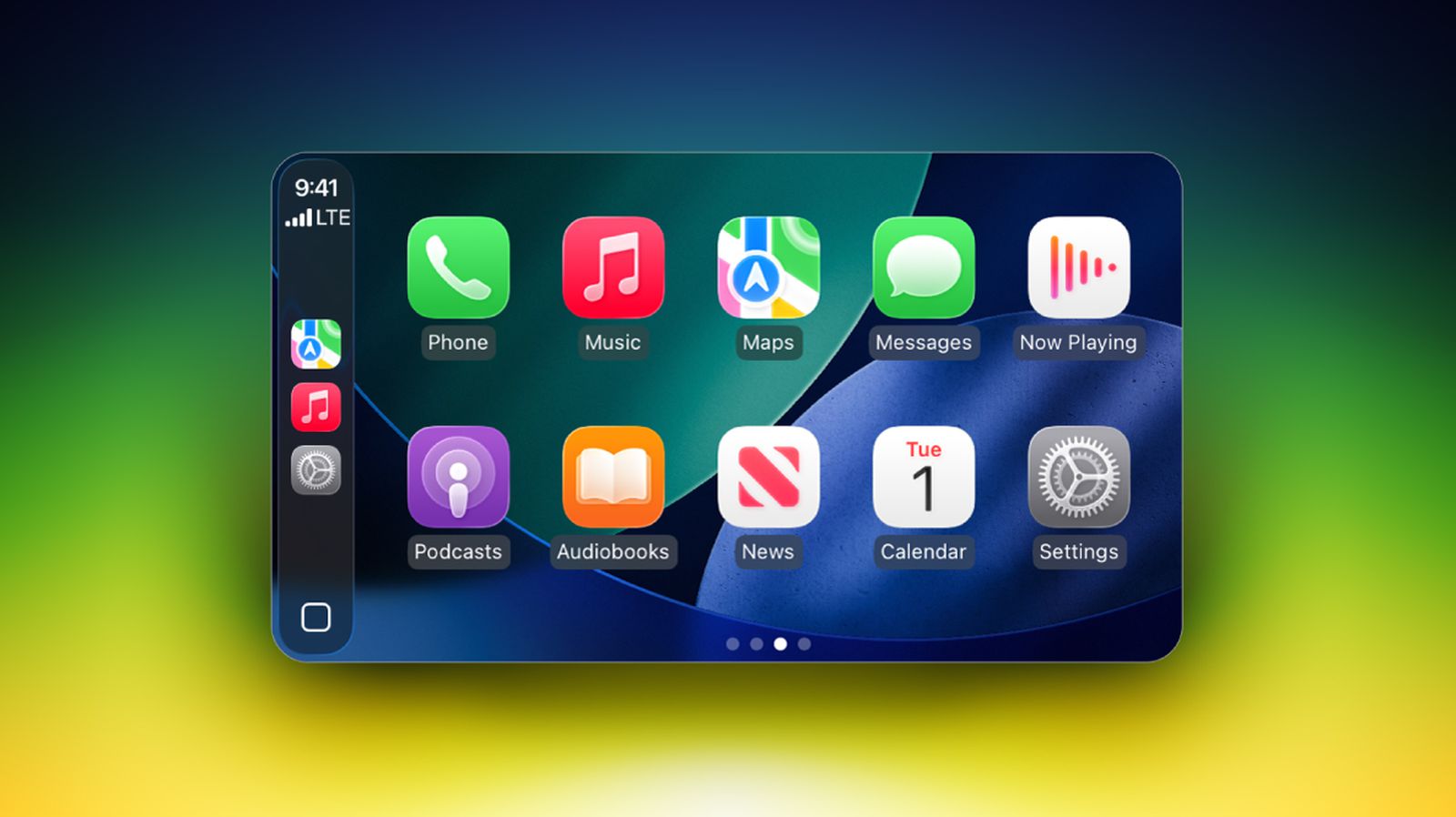
Rivian says over 70% of customers wanted Apple CarPlay at launch about five years ago, but a recent survey shows that figure has fallen to less than 25%. Software chief Wassym Bensaid argued Rivian's end-to-end integration and future AI-agent features will make CarPlay and Android Auto less relevant. The article is mainly a strategic product and UX commentary, with limited near-term market impact.
The key signal is not the consumer-facing stance on CarPlay; it is that Rivian is trying to convert the in-car software layer from a routing utility into a monetization and retention moat. If that works, the company can preserve control over data, subscriptions, commerce, and future assistant workflows, which is far more valuable than outsourcing the interface to Apple. The second-order effect is that the auto UI battle is shifting from “which phone ecosystem wins” to “which OEM owns the agent,” and that favors vertically integrated platforms with strong software cadence.
The market underestimates how much this can widen the gap between premium EV brands. Rivian’s position implies that a better native stack can reduce CarPlay dependence without hurting satisfaction, which pressures legacy OEMs that still use phone mirroring as a crutch for software quality. Suppliers tied to infotainment middleware, integration layers, and phone-mirroring ecosystems face longer-term risk as OEMs increasingly route interactions through proprietary assistants and cloud services instead of third-party screen overlays.
The near-term catalyst is not AI itself but customer perception of convenience: if Rivian keeps shipping materially better navigation, voice, charging, and media workflows, the share of users demanding CarPlay should keep drifting lower over the next 6-18 months. The contrarian point is that this is still a multi-year promise, and consumers are often happy to claim they do not need CarPlay until they rent or buy a car with worse native software. Any stumble in response speed, app coverage, or voice accuracy would quickly revive the demand for Apple compatibility, especially in the premium segment.
For investors, the real trade is to separate software leaders from hardware-only EV names. Rivian’s software differentiation is supportive for valuation if execution remains strong, but the broader read-through is negative for OEMs that have weak native UX and rely on CarPlay as a customer satisfaction patch. The opportunity is to own the names with credible proprietary software stacks and avoid or short those where the user experience gap is still being papered over by ecosystem integration.
AI-powered research, real-time alerts, and portfolio analytics for institutional investors.
Request TrialOverall Sentiment
neutral
Sentiment Score
0.05
