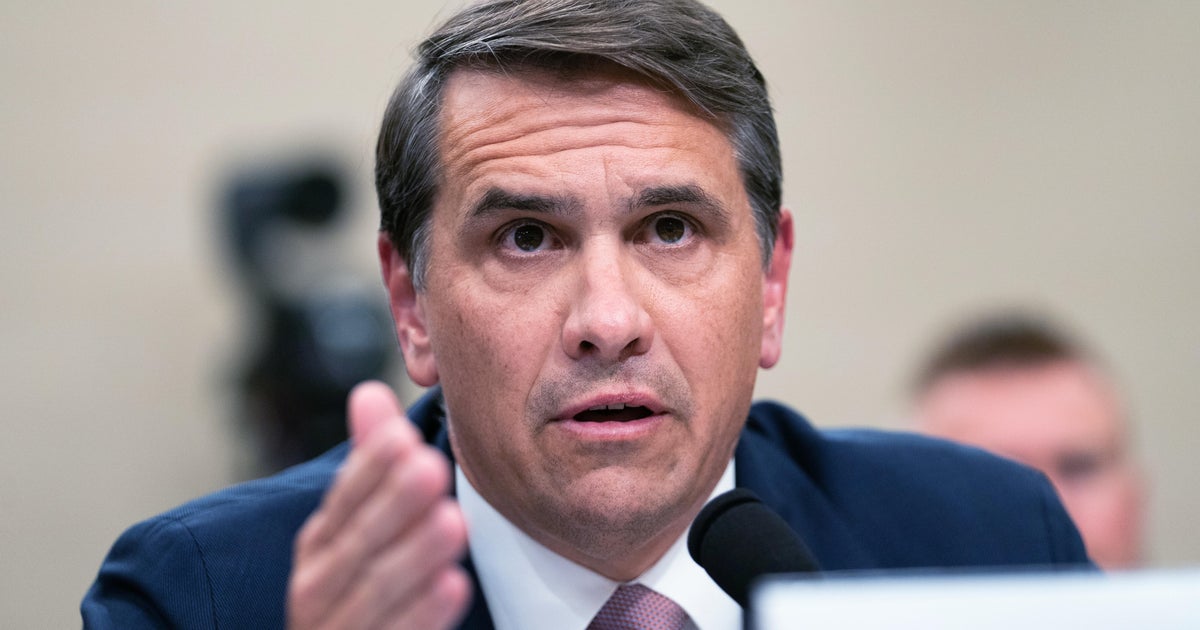
President Trump formally nominated Todd Blanche as attorney general, moving to cement his control over the Justice Department after Blanche served as acting AG since April. The confirmation could face resistance from GOP senators over the Jan. 6 issue and Blanche's role in controversial prosecutions and the scrapped $1.776 billion anti-weaponization fund. The story is primarily political and legal, with limited direct market impact.
The market implication is not about a single nomination; it is about how quickly the DOJ can be converted from a rule-bound institution into a high-variance policy tool. That raises the probability of headline-driven legal shocks around any company or sector that is politically sensitive, but the more important second-order effect is on process risk: investigations can be opened faster than they can survive judicial scrutiny, which means short-duration volatility may rise even if ultimate conviction rates remain low.
The practical winners are firms with the strongest compliance budgets, the least regulatory discretion, and the cleanest balance sheets. The losers are organizations that rely on DOJ timetables, settlement leverage, or antitrust patience; those names face a higher chance of drawn-out overhangs, especially in the next 1-3 months when confirmation politics and any renewed controversy can stall unrelated legislative business. This argues for favoring “regulation-proof” cash generators over legal-beta names rather than making a broad market directional call.
The contrarian point is that some of the political theater may already be priced into the narrative, while the real downside comes from the administration’s willingness to use the department inconsistently. If enforcement becomes more openly partisan, that can paradoxically reduce the effectiveness of threats because courts become more skeptical and defendants fight harder, lengthening timelines and lowering hit rates. So the near-term trade is not “more convictions,” but “more noise, higher legal expense, and lower predictability.”
Catalyst-wise, the key windows are the Senate confirmation process over days to weeks and any subsequent court setbacks over the next several months. If the nomination gets jammed or the department suffers another public loss on vindictive-prosecution grounds, the market should expect a temporary repricing of political-risk premium across regulated industries and defense-related contractors, even without direct tickers in the story.
AI-powered research, real-time alerts, and portfolio analytics for institutional investors.
Request DemoOverall Sentiment
neutral
Sentiment Score
-0.10
