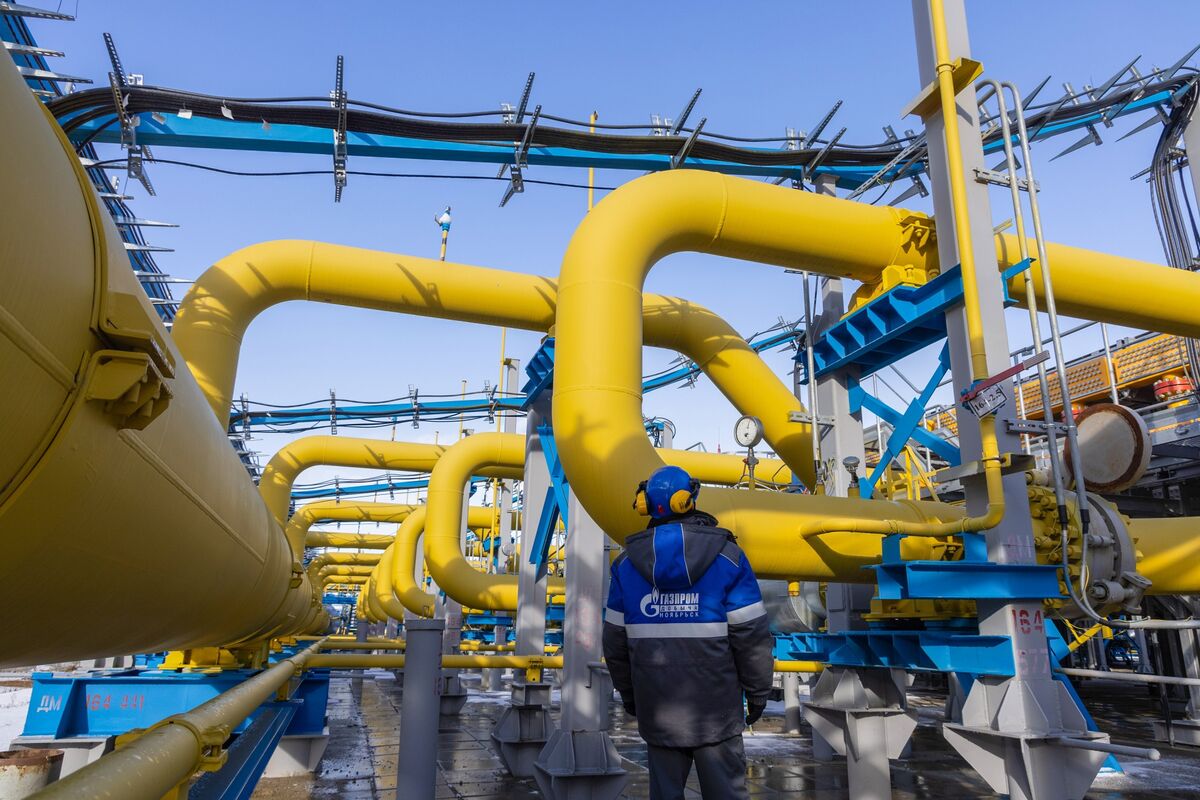
Russia and China have solidified energy ties, agreeing to build the Power of Siberia 2 gas pipeline and formalizing numerous other deals, including visa-free travel. This strategic alignment, announced shortly after recent EU threats of secondary sanctions against countries supporting Russia, effectively counters European efforts to isolate Moscow by redirecting Russia's energy exports towards growing Asian markets, thereby mitigating the impact of potential European gas boycotts.
Russia is actively neutralizing European economic pressure by deepening its strategic and energy-focused partnership with China. The agreement for Gazprom to construct the Power of Siberia 2 gas pipeline is a material development, securing a large, long-term consumer for Russian gas and mitigating the future loss of the European market. This move, part of a broader suite of approximately 20 bilateral deals, demonstrates a significant pivot in Russia's foreign and economic policy towards Asia, directly countering the EU's strategy of isolation and recent threats of secondary sanctions. The formation of this Eurasian energy axis challenges the effectiveness of Western sanctions and suggests a structural shift in global energy flows, increasing supply security for China while posing a long-term challenge to Europe's energy diversification and cost stability.
AI-powered research, real-time alerts, and portfolio analytics for institutional investors.
Request DemoOverall Sentiment
moderately negative
Sentiment Score
-0.50
