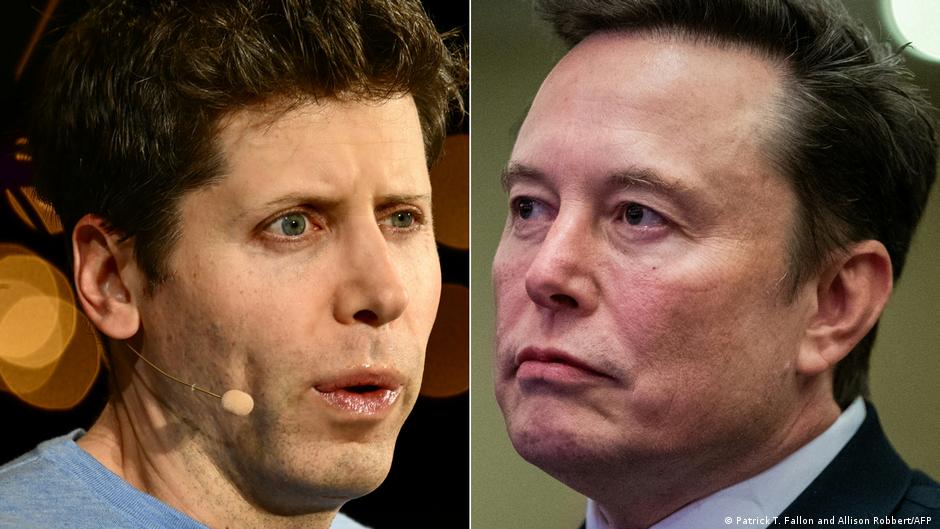
A jury trial between Elon Musk and OpenAI is set to begin April 27, 2026, with a ruling expected by mid-May. Musk alleges he was deceived into backing OpenAI as a nonprofit and has sought up to $134 billion in damages, while OpenAI argues the case is driven by Musk's desire for control and to hinder a rival. The case could influence OpenAI governance and the broader competitive landscape in AI, but it is primarily a legal overhang rather than an immediate market-moving event.
The market is likely underpricing the governance overhang as a real option on OpenAI’s capital structure rather than treating this as pure theater. Even if the legal odds of forcing a structural reset are low, discovery and testimony can surface information about investor rights, exclusivity, and board control that matters for Microsoft’s long-duration embedded value in the AI stack. The immediate second-order effect is not on model quality but on financing cadence: anything that slows OpenAI’s ability to raise and deploy capital widens the runway for smaller model vendors to compete on price and niche use cases.
For MSFT, the direct earnings impact is minimal in the next quarter, but the strategic risk is that OpenAI’s governance instability increases the probability of a future renegotiation of economics or compute access. That would be negative for the market’s willingness to pay a premium multiple for Microsoft’s AI attach rate if investors start discounting the durability of its partnership moat. The flip side is that legal distraction can also weaken OpenAI’s competitive intensity in enterprise go-to-market for several months, modestly supporting Microsoft Copilot adoption if customers view MSFT as the lower-regime-risk platform.
The contrarian setup is that a headline loss for Musk may still be bullish for the ecosystem if it effectively validates the current hybrid structure and removes a layer of uncertainty. In that case, the trade becomes a volatility event rather than a thesis break, with the biggest winner being capital-light AI software beneficiaries that do not depend on OpenAI exclusivity. The main tail risk is a court-ordered injunction or governance remedy that changes fundraising or control dynamics before mid-May, which would likely compress sentiment across the AI complex faster than fundamentals would justify.
Near term, this is a calendar-driven catalyst with asymmetric event risk into jury selection and the mid-May ruling window. Longer term, the real watch item is whether this case emboldens antitrust or fiduciary challenges to other frontier-model partnerships, especially where one platform owns distribution and the model provider depends on external capital and compute.
AI-powered research, real-time alerts, and portfolio analytics for institutional investors.
Request DemoOverall Sentiment
neutral
Sentiment Score
-0.05
Ticker Sentiment
