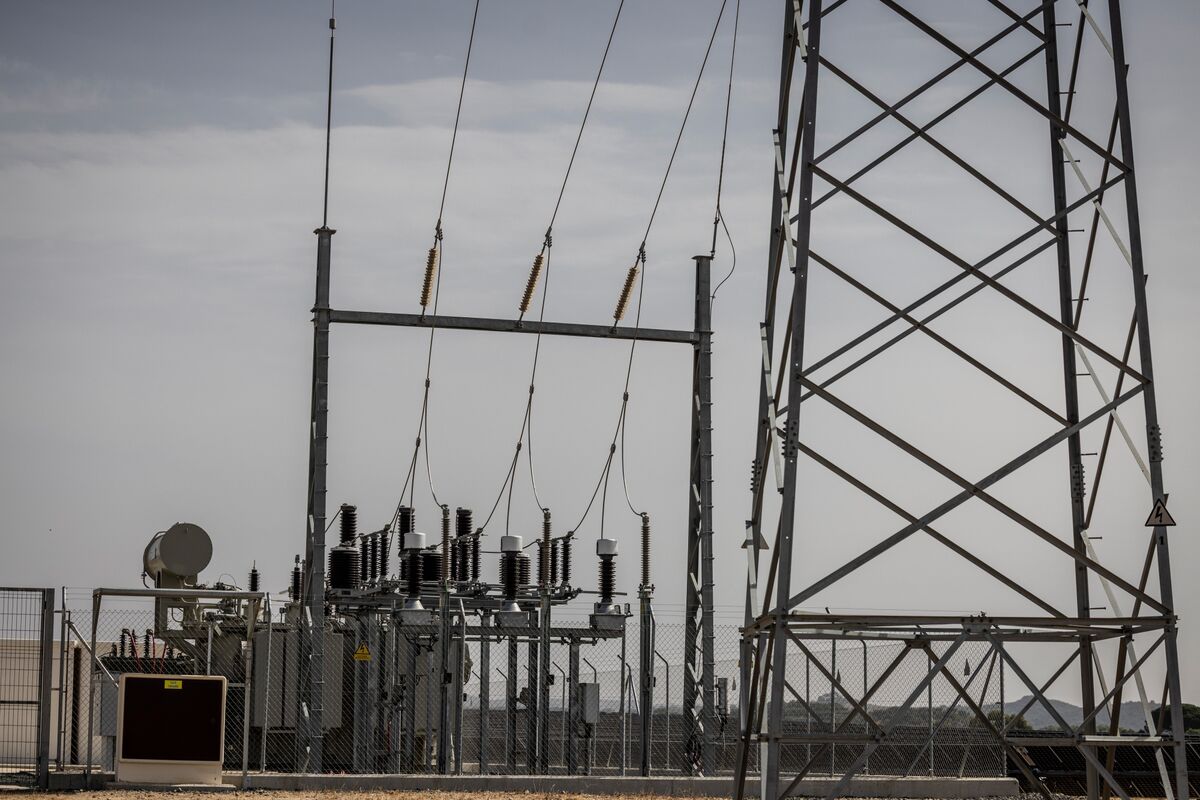
The European Commission approved a €9 billion mechanism for Spain to secure electricity supply over 10 years, implying €900 million of annual capacity payments. The market-wide program, cleared under EU aid rules, will have Red Eléctrica remunerate capacity needed to meet the system reliability standard. The decision is supportive for grid stability and power-market security, with sector-level implications rather than a direct company-specific catalyst.
This is less a one-off subsidy than a long-dated insurance policy for Spain’s power system, and the first-order market winner is not generators so much as capacity owners with dispatchable, firm availability. The mechanism should compress scarcity premiums and reduce the option value of extreme peak pricing, which is negative for pure merchant baseload/peaking exposure but constructive for regulated/grid-linked assets, interconnection developers, and balance-sheet-heavy utilities that can monetize reliability services.
The second-order effect is that policy capital is now being redirected from energy-only markets toward capacity adequacy, which tends to advantage incumbents with existing grid access and de-risk financing for storage, demand response, and flexible gas assets. Over 12-36 months, this can lower WACC for infrastructure names tied to the Spanish and broader Iberian grid story, while pressuring smaller merchants whose economics depend on volatility rather than reliability payments.
The contrarian read is that this may be mildly bearish for the volatility complex: when governments socialize capacity shortfalls, the market often underprices the speed at which merchant spreads mean-revert. If the program is implemented cleanly, it could cap tail-risk pricing faster than consensus expects, which would reduce upside in power-price hedges and hurt traders positioned for repeated supply shocks.
Catalyst path matters: the immediate reaction should be muted, but the real signal comes over the next several auction cycles as Red Eléctrica sets qualification rules and payment curves. If eligibility skews toward existing thermal and flexible assets, this becomes a repricing event for Iberian utilities; if it favors new-build storage and demand response, the capex cycle extends and the beneficiaries shift toward equipment and grid suppliers.
AI-powered research, real-time alerts, and portfolio analytics for institutional investors.
Request DemoOverall Sentiment
neutral
Sentiment Score
0.15
