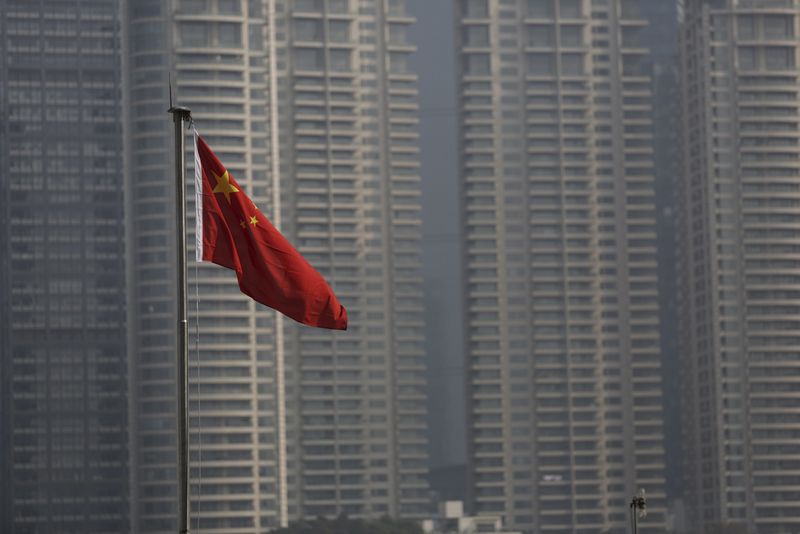
China’s commerce ministry condemned the EU’s 20th sanctions package for adding Chinese entities allegedly tied to Russia’s military-industrial supply chain and demanded their immediate removal. Beijing warned it may take “necessary measures,” raising the risk of further retaliatory actions and added friction in EU-China trade relations. The article is primarily geopolitical and policy-focused, with limited direct company-specific market impact.
This reads less like a direct catalyst for the named stocks and more like a reminder that supply-chain geopolitics is becoming a persistent volatility source for hardware names tied to AI infrastructure. The immediate winners in the “memory/CPU trade” are not the companies in the headline but the vendors with the most pricing power and the tightest access to advanced packaging, because any escalation in export-control rhetoric tends to shorten customer buying cycles and pull demand forward into the next 1-2 quarters.
For SMCI, the key second-order effect is inventory digestion risk: when end customers fear component restrictions, they often over-order complete systems, but that front-loads revenue and can create a sharp air pocket later if policy headlines fade. APP is even more dislocated from the core issue; its inclusion here is purely narrative beta to AI enthusiasm, so it benefits only insofar as investors keep paying up for adjacent AI winners. That makes APP the cleaner momentum trade but also the more fragile one if the market stops rewarding “AI-by-association.”
The contrarian view is that the market may already be over-indexing on geopolitical noise as a bullish signal for AI hardware, when the true transmission mechanism is margin compression from supply-chain redundancy, higher compliance costs, and longer lead times. If the EU-China dispute expands, it can actually slow enterprise procurement by 1-2 quarters, even as it boosts order visibility near term. The trade works best as a tactical momentum expression, not a fundamental multi-quarter compounding story.
Tail risk is a policy de-escalation or a faster-than-expected easing in AI server lead times, which would unwind the scarcity premium quickly. The more durable upside would require a fresh round of guidance raises from OEMs and memory suppliers, not just headlines about sanctions.
AI-powered research, real-time alerts, and portfolio analytics for institutional investors.
Request DemoOverall Sentiment
mildly negative
Sentiment Score
-0.20
Ticker Sentiment
