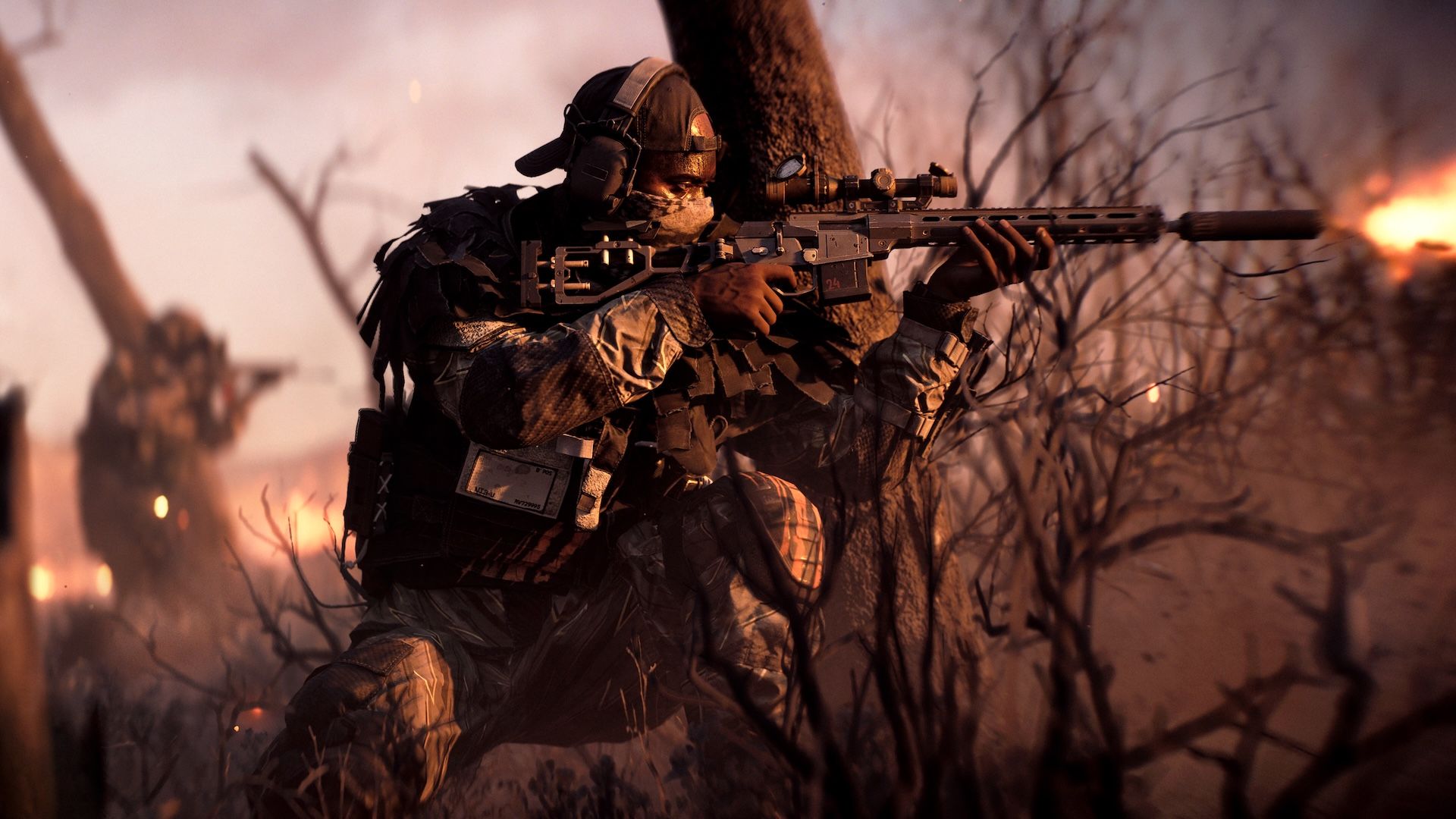
Battlefield Studios says Battlefield 6 Season 3 will add its biggest map yet, Railway to Golmud, nearly four times the size of Mirak Valley, following player feedback. The update also brings back Grand Bazaar as Cairo Bazaar, adds ranked play to Redsec, and introduces solo play. Season 4 is planned for July with aircraft carriers, naval vehicles, dynamic waves, and at least two new maps, while Season 5 will include three more maps.
This reads less like a one-off content drop and more like a course correction toward extending the game’s engagement curve. For a live-service title, larger maps and legacy map remakes are not just “fan service”; they’re a retention lever aimed at reducing early churn from players who bounced on launch pacing. The second-order effect is more monetizable time-in-game: if the studio can lift session length and weekly active users into the next season, it improves the odds of battle pass conversion, cosmetic attachment, and ranked-mode stickiness.
The market implication for the gaming publisher is that the headwind was likely never demand for the brand, but fit between map design and the core audience. That matters because design fixes are cheaper and faster than rebuilding core mechanics, so the upside is that the remediation can show up in metrics within one or two content cycles rather than waiting for a sequel. The risk is that larger maps can also fragment matchmaking and worsen perceived balance if player density drops too far; if that happens, the “we listened” narrative flips into proof the team is still chasing player preference rather than anticipating it.
Contrarian angle: the bullish read may already be over-discounted because “more content” is usually assumed to be incremental, but here it may be necessary just to stabilize the install base. The real catalyst is not the map announcement itself, but whether ranked play and solo mode materially improve DAU-to-pay conversion over the next 30-90 days. If those modes fail to lift engagement, the content pipeline becomes a treadmill rather than a reacceleration story.
For the broader sector, this is mildly positive for publishers that can reliably recycle legacy IP and run live-service cadence without overrelying on new AAA launches. It also reinforces the market’s preference for franchises with durable multiplayer ecosystems versus one-and-done premium releases, especially if seasonal content can be shipped without material production slippage.
AI-powered research, real-time alerts, and portfolio analytics for institutional investors.
Request DemoOverall Sentiment
mildly positive
Sentiment Score
0.25
Ticker Sentiment
