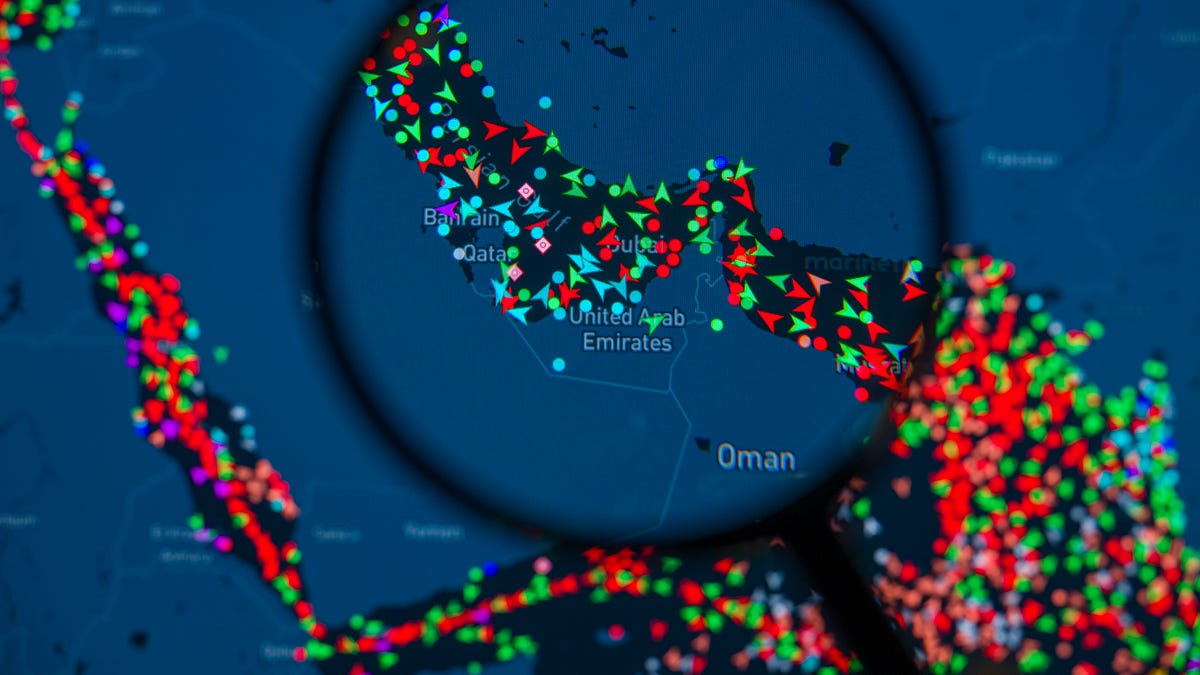
Geopolitical escalation with Iranian missile, drone, and maritime actions has already pushed oil prices higher and raised the real risk of shipping disruptions through the Strait of Hormuz, prompting the administration to solicit allied naval escorts. The article warns the U.S. lacks coherent, stable political objectives and troop-to-task alignment, forcing diversion of carrier-defense assets to escort and mine-countermeasure needs and increasing operational strain and sustained resource consumption — a material negative for energy markets and global supply chains.
The operational mismatch the article describes creates an explicit scarcity: capable naval platforms and minesweepers are fungible only with time and logistics, not instantly. That means the market will price a persistent operational-risk premium into seaborne crude for weeks-to-months rather than a single-day spike—expect episodic $3–$12/bbl risk premia tied to visible convoy disruptions or attacks, with the upper end triggered if insurance war-risk rates triple or ports like Kharg see repeat strikes.
Second-order supply-chain effects will cascade into freight, refining margins, and inventory behavior. Shipping & insurance costs rising 2–4x on specific Gulf-to-Asia lanes will push refiners to favor light-sweet barrels that can move via alternative routes, compressing spreads for heavy sour crudes and creating a 3–6 month window where specific tankers and storage owners capture outsized cash flow; those dynamics fade only when allied naval presence or diplomatic de-escalation materially reduces transit risk.
Strategically, this is a multi-year regime shift for defense procurement, cyber, and regional basing—not a two-week headline event. If the conflict solidifies into a prolonged attritional campaign of proxy strikes, expect 12–36 month budget re-allocations (naval escorts, minesweepers, ISR, refueling tanker survivability upgrades) that favor defense primes and niche maritime services; conversely, a rapid diplomatic deal or visible allied burden-sharing would unwind much of the premium within 30–90 days.
AI-powered research, real-time alerts, and portfolio analytics for institutional investors.
Overall Sentiment
strongly negative
Sentiment Score
-0.60
