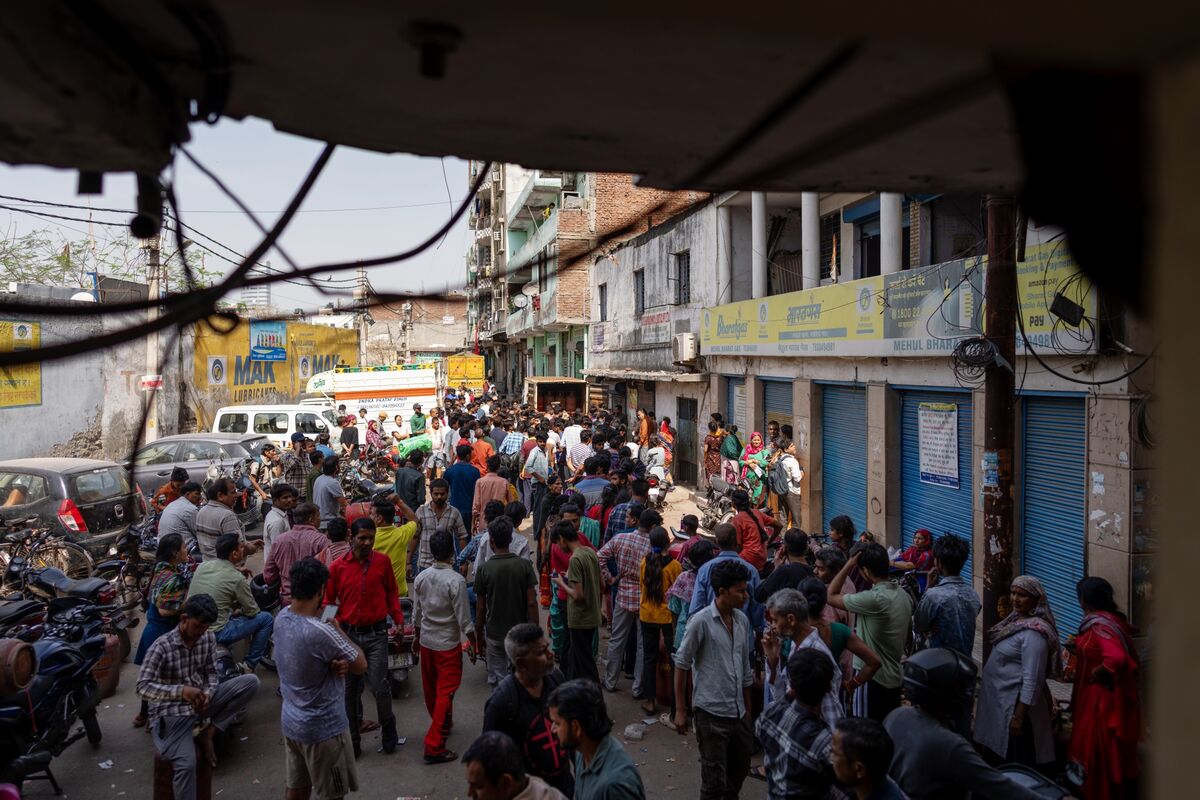
India's Finance Ministry warned that the Middle East war is creating a supply shock and compressing domestic demand, with high prices, rising inflation, and slower economic activity. The review frames the inflationary impact as a serious near-term risk to growth. The message is negative for India's macro outlook and could weigh on risk sentiment across emerging markets.
The important read-through is not just macro drag, but margin compression across any Indian business with imported fuel, freight, or feedstock exposure. In the near term, the market tends to underprice how quickly higher logistics and energy costs leak into consumer staples, discretionary retail, and small manufacturers that lack pricing power; that creates a second-order earnings reset over the next 1-2 quarters rather than an immediate GDP shock.
The more interesting dynamic is that India’s demand slowdown can become self-reinforcing if inflation stays sticky: weaker real incomes reduce pass-through ability for consumer brands, which then protects volumes only by sacrificing gross margin. That tends to favor the highest-quality domestically focused firms with strong balance sheets and route-to-market control, while punishing mid-cap retailers, autos, durables, and discretionary lenders that need stable transaction growth.
From a positioning perspective, this is a classic time-lagged negative for cyclicals and a relative positive for defensives, but the trade is likely better expressed versus India exposure rather than outright macro shorts. The risk to the bearish view is that any stabilization in Middle East shipping or a quick policy response from India on duties/subsidies would relieve the cost shock faster than expected, which would mostly show up as a sharp rally in beaten-down consumer names before the data visibly improves.
The contrarian angle is that the market may overstate the permanence of the demand hit: India has a history of absorbing external inflation via policy and informal savings, so the medium-term damage may be less severe than headline rhetoric suggests. If crude and freight peak in the next few weeks, the best risk/reward may be in buying quality domestic consumption on weakness rather than chasing the inflation panic further.
AI-powered research, real-time alerts, and portfolio analytics for institutional investors.
Request DemoOverall Sentiment
moderately negative
Sentiment Score
-0.45
