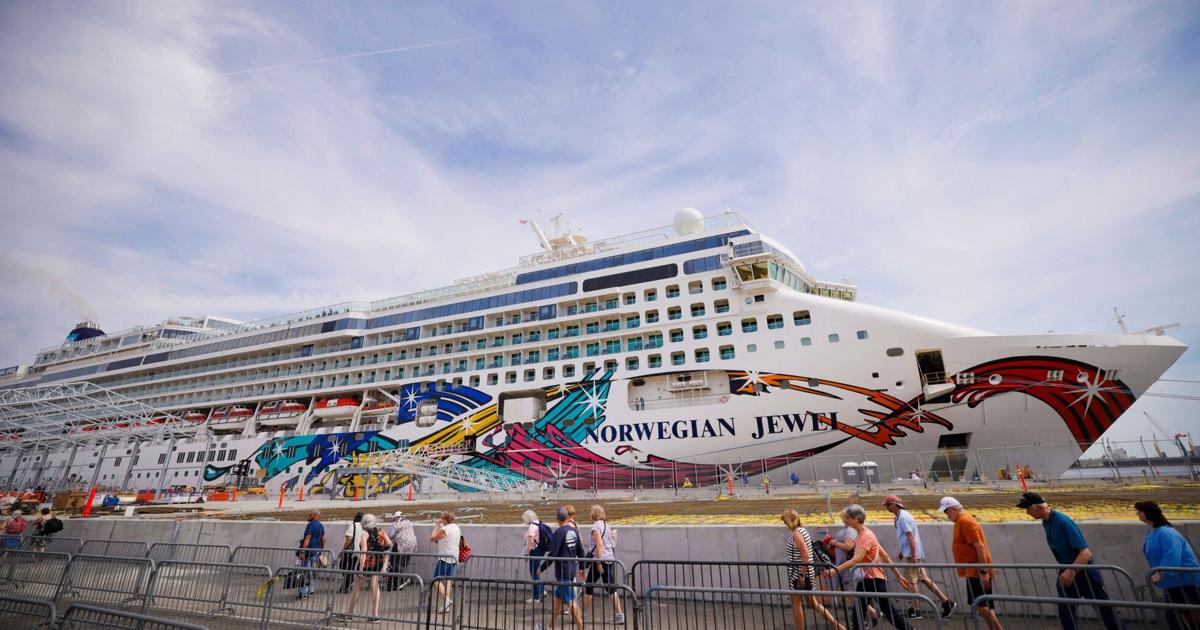
Norwegian Jewel launched the first of several 7-day Philadelphia-to-Bermuda cruises, marking the first major cruise ship to operate from a Philadelphia port in 15 years. The 965-foot ship, built in 2005 and refurbished last year, carries up to 2,368 guests and 1,069 crew. The rollout was slightly delayed by luggage processing, but the service expands cruise access for Delaware and Philadelphia-area travelers.
The immediate winner is the regional cruise ecosystem, but the bigger implication is competitive frequency, not novelty. A Philadelphia embarkation point expands the catchment for drive-to-cruise demand in the Mid-Atlantic, which pressures Baltimore and the New York-area operators more than it threatens Miami: the real contest is for consumers who value shorter pre-cruise travel and easier logistics over itinerary breadth. That matters because this is a distribution win, not a new destination win, and distribution tends to be sticky once travel habits reset.
The second-order effect is on yield discipline. One ship redeployed into an underserved port can support higher occupancy and lower customer acquisition costs for the operator, but the need to move vessels seasonally suggests this is still a tactical deployment rather than a structural network buildout. If the Philly schedule proves durable, it can pull incremental spend away from airlines serving Florida/Baltimore feeder routes and from hotels near competing ports, especially for 3-7 day leisure travelers who are most price-sensitive to total trip friction.
The main risk is execution: a single operational miss on day one is not economically important, but repeated port-turn delays would quickly erode the value proposition because convenience is the core product. Another risk is weather and seasonality; shoulder-season sailings are highly sensitive to cancellation headlines, and that can cap forward bookings 2-3 months out. Over the next 6-12 months, the key catalyst is whether load factors and onboard spend data validate enough demand to justify repeat capacity allocation in future summers.
The contrarian read is that this may be less bullish for the operator than the headline implies. Reopening a dormant port can look like capacity expansion, but if it simply redistributes existing East Coast demand, the industry may get a marginal demand lift while pricing stays rational, limiting upside to revenue per available berth. In that case, the best trade is not chasing the cruise line itself, but leaning into adjacent beneficiaries with cleaner operating leverage to incremental passenger traffic.
AI-powered research, real-time alerts, and portfolio analytics for institutional investors.
Request DemoOverall Sentiment
neutral
Sentiment Score
0.10
