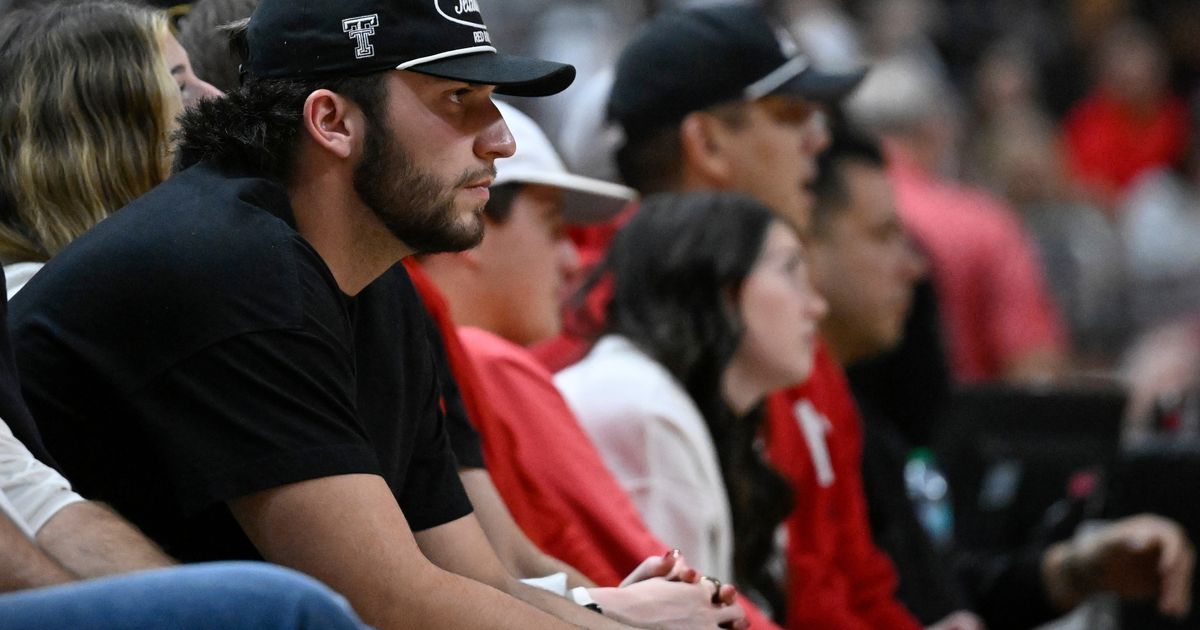
Texas Tech quarterback Brendan Sorsby made at least 2,900 bets totaling more than $30,000 while at Indiana and later routed more than $60,000 through a FanDuel account, triggering NCAA ineligibility and a legal challenge for reinstatement. Texas Tech said he is on leave after completing a 35-day gambling treatment program, and the school is appealing the NCAA's denial of reinstatement. The case is primarily an NCAA eligibility and compliance issue, with limited direct market impact.
This is less a single-player personnel issue than a stress test of the NCAA’s control framework around legalized betting. The key second-order effect is that the problem is migrating from “did a player bet?” to “can programs credibly police indirect wagering, shared accounts, and proxy betting?”—which raises compliance costs and expands the enforcement surface for every school with an NIL-heavy, transfer-driven roster. For top programs, the near-term competitive impact is modest, but the medium-term impact is higher friction in roster management: more internal audits, tighter device/account monitoring, and slower reinstatement timelines for players with edge-case violations.
The litigation angle matters because it may force the NCAA to either harden standards or show selective enforcement. If Texas Tech succeeds in getting the injunction or reinstatement, it creates a template for other schools to challenge eligibility decisions as arbitrary, especially where treatment and rehabilitation are documented. If it loses, the NCAA strengthens its deterrence posture, which is likely to suppress betting-related disclosures and increase the probability that future cases surface only after law-enforcement or book reporting—i.e., later, bigger, and more reputationally damaging.
The contrarian read is that the market is overestimating immediate football-side disruption and underestimating governance spillover. The better trade is not against Texas Tech athletic performance per se, but around institutions exposed to the same regulatory tail risk: any program with aggressive NIL/transfer activity and weak compliance infrastructure now faces a higher probability of season-long roster volatility. The time horizon is months, not days; the catalyst path is the court hearing, appeal process, and whether the NCAA changes its enforcement posture heading into the season.
AI-powered research, real-time alerts, and portfolio analytics for institutional investors.
Request TrialOverall Sentiment
moderately negative
Sentiment Score
-0.35
